The Price Costs for Tarangire National Park Day Trip

PER PERSON (ESTIMATED PRICE)
$1,200 USD
Per person including all park fees, expert guide, picnic lunch, and private 4x4. Price varies by group size.
1 DayPrivate TourArusha Start & End

Tarangire National Park Day Trip - Overview

Tarangire National Park is Tanzania's most underrated wildlife destination and one of East Africa's finest safari experiences — yet it sits just two hours south of Arusha, making it the perfect day trip for travellers with limited time. Famous for its extraordinary elephant herds, ancient baobab trees, and remarkable year-round wildlife density, Tarangire delivers a full, immersive safari day without the long drives required to reach the Serengeti or Ngorongoro. Our Tarangire National Park Day Trip gives you a full day inside the park with an expert private guide, a picnic lunch in the bush, and all park fees included.

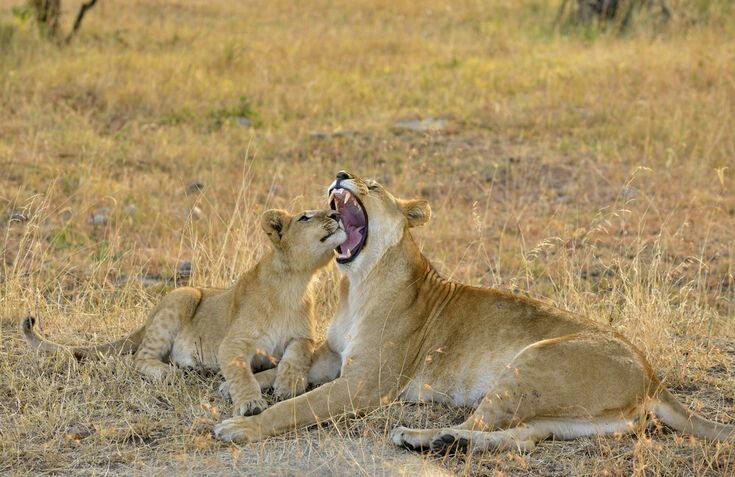
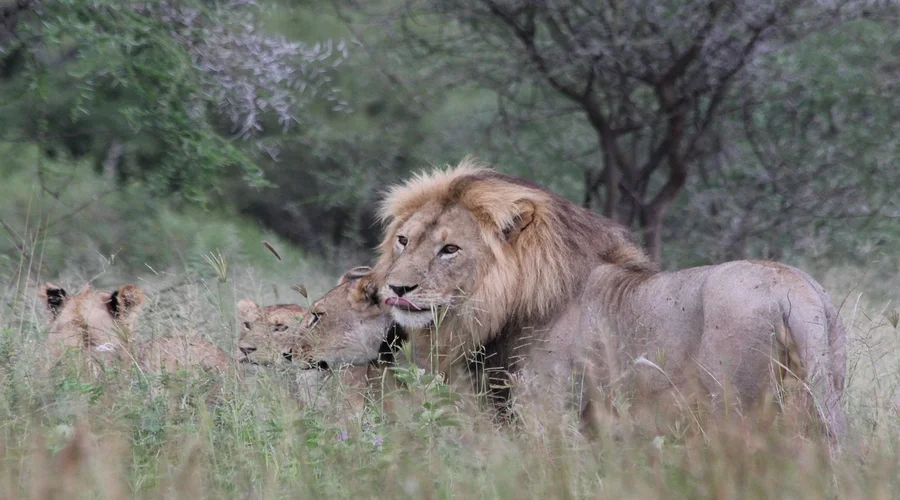
The Tarangire River is the park's wildlife spine — the only permanent water source in the ecosystem during the dry season, which draws animals from across the surrounding Maasai steppe in numbers that rival any park in Tanzania. Elephant herds of 200 to 300 animals gather at the river in daily processions that are among Africa's great wildlife spectacles. Lion prides rest in the riverine shade. Leopards scan from rocky outcrops above the riverbed. And the extraordinary baobab woodland — one of the highest densities of ancient baobab trees anywhere on earth — provides a visual backdrop unlike any other Tanzanian park.

Whether you are spending a few days in Arusha before or after a Kilimanjaro climb, combining Tanzania with a Zanzibar beach holiday, or simply want to experience world-class African wildlife without a multi-day commitment, the Tarangire Day Trip is one of Tanzania's best-value and most rewarding single-day safari experiences. Private vehicle, expert guide, all fees included, and a full day among elephants and baobabs — it is genuinely exceptional.

Tarangire National Park Day Trip - Highlights

🐾
Africa's greatest elephant concentration — herds of 200 to 300 animals
🐾
Ancient baobab woodland — trees over 1,000 years old
🐾
Lion, leopard, cheetah, giraffe, zebra, and buffalo on a single day drive
🐾
Greater kudu, fringe-eared oryx, and gerenuk — Tarangire specialities
🐾
Over 550 recorded bird species — Tanzania's finest birding park
🐾
Private 4x4 Land Cruiser with pop-top roof — maximum 6 guests

Tarangire National Park Day Trip - Short Itinerary

  • Tour Day: Arusha to Tarangire National Park & Return

Tarangire National Park Day Trip - Detailed Day-by-Day Itinerary

Tour Day

Arusha to Tarangire National Park & Return

Meals: LDeparture: 6:30 AMDrive: ~2 hrs each wayFull Day Game Drive

6:30 AM – Hotel Pickup, Arusha. Your guide arrives at your Arusha hotel as the city is just beginning to stir. The early departure is deliberate — Tarangire's wildlife is most active in the cool morning hours, and arriving at the park gate before 9:00 AM gives you the best possible start to the day. Your guide introduces the route, the park's wildlife highlights, and what to expect as Arusha's streets fall away behind you and the open road heads south through the Maasai steppe.

6:30 AM – 8:30 AM – Drive to Tarangire National Park. The road south from Arusha crosses a wide, semi-arid landscape of red volcanic earth, scattered acacia trees, and occasional Maasai bomas set back from the road — circular enclosures of thornbush and mud, cattle gathered inside for the night. Your guide points out roadside wildlife as the bush thickens approaching the park: dikdik freezing in the roadside grass, vervet monkeys gathering in the acacia canopy, and the distinctive red-robed silhouettes of Maasai herders moving their cattle across the open steppe. The Tarangire River valley appears in the mid-distance — a darker green line of tall riverine trees cutting through the dry, golden landscape — and the park gate arrives shortly after.

8:30 AM – Tarangire National Park Gate — Entry. Your guide completes the park registration while you step out and take your first look at the landscape ahead — flat-topped acacia trees, red volcanic earth, and the ancient swollen silhouettes of baobab trees rising against the morning sky. The pop-top roof hatch clicks open. Binoculars are raised. Tarangire begins.

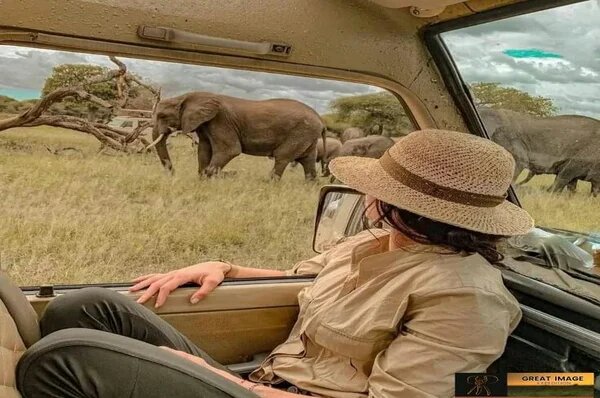
8:30 AM – 10:30 AM – Tarangire River Circuit — Elephant Country. The morning drive follows the Tarangire River — the park's wildlife spine and the only permanent water source for miles during the dry season. Every animal in the Tarangire ecosystem is drawn to this river, and the morning hours are when the movement is most concentrated and most dramatic. Elephant herds of extraordinary size gather here — 200 to 300 animals moving in slow, dusty processions through the ancient baobab woodland, matriarchs leading with centuries of territorial memory, calves tucked between the legs of their mothers, young bulls testing their strength against each other at the water's edge. Your guide positions the vehicle close to the riverbank with the engine off and windows down — the herd moves around you in a world of deep rumbles, dust, and the particular gravity of being truly close to Africa's largest land animal in genuine wilderness. Between elephant encounters, your guide works the riverine woodland for lion prides resting in the shade of fig trees, leopards scanning from the rocky outcrops above the river, and the extraordinary birdlife filling every tree — lilac-breasted rollers, yellow-collared lovebirds, saddle-billed storks, and ground hornbills making their slow, deliberate way through the grass below.

10:30 AM – 12:30 PM – Baobab Woodland & Open Grassland Circuit. Beyond the river corridor, the landscape opens into the classic Tarangire baobab woodland — one of the highest densities of baobab trees anywhere on earth, their ancient bottle-shaped trunks rising from the red earth like monuments to geological time. Some of Tarangire's baobabs are estimated to be over 1,000 years old — wider than a vehicle is long, their bark smooth and grey, their canopies home to hornbills, owlets, and occasionally a leopard using the upper branches as a vantage point. Your guide drives the open grassland circuits between the baobab stands, scanning for the park's remarkable wildlife diversity — greater kudu, one of Africa's most beautiful antelope and a Tarangire speciality rarely seen in other northern circuit parks, their long spiral horns catching the morning light as they move through the woodland edge; fringe-eared oryx standing in the midday heat with long straight horns and painted faces; gerenuk rising on hind legs to browse from acacia branches beyond the reach of other antelope; and giraffe moving through the baobab woodland in their slow, swaying gait, their spotted coats matching the dappled morning light. Tarangire is one of Tanzania's finest birdwatching destinations — over 550 recorded bird species including the ashy starling, rufous-tailed weaver, and yellow-necked spurfowl that are endemic or near-endemic to the Tarangire-Manyara ecosystem.

12:30 PM – Bush Picnic Lunch Inside the Park. Your guide pulls into a shaded picnic site near the Tarangire River — a clearing under tall riverine trees where the air is cooler than the open plains and the sounds of the midday bush surround the vehicle. Lunch is served from the cool box: sandwiches, fruit, juice, and chilled water. Vervet monkeys patrol the picnic perimeter with professional optimism. A hippo surfaces in the river pool below the bank with a deep, resonant exhale. This is not a restaurant lunch — this is a meal eaten inside one of Tanzania's finest national parks with no walls between you and the wild.

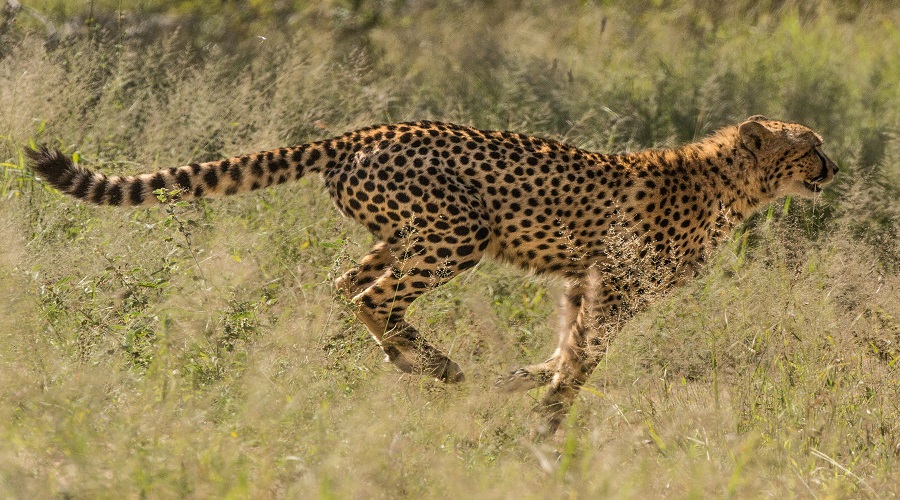
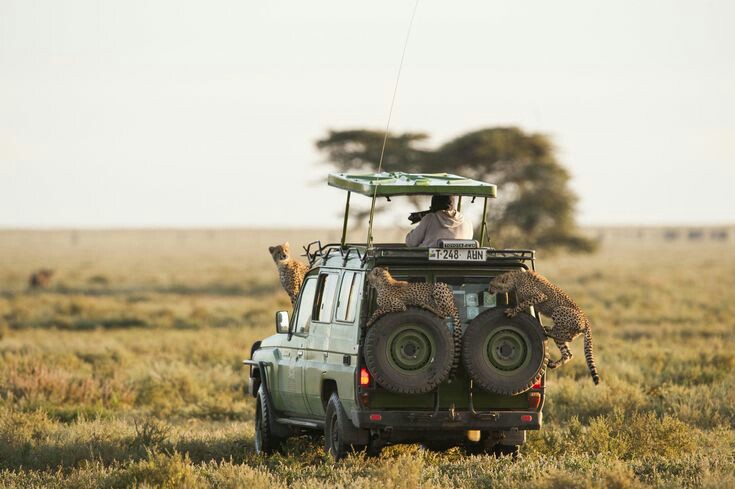
1:30 PM – 3:30 PM – Afternoon Game Drive — Waterhole & Southern Circuits. The afternoon drive covers the southern sections of the park — waterholes that concentrate wildlife in the hottest hours, open grassland where zebra herds graze in the afternoon light, and the broad floodplain areas where large mixed herds of wildebeest, zebra, and buffalo gather during the migration months between November and May. Tarangire lies at the southern end of the Tarangire-Manyara ecosystem — a vast migratory corridor through which wildebeest and zebra flow seasonally, swelling the park's resident wildlife numbers into the tens of thousands during peak migration. Outside the migration season, the southern circuits deliver excellent game viewing — cheetah are resident in Tarangire's open grassland and more reliably seen here than in many other northern circuit parks. Your guide covers each waterhole with methodical attention: buffalo bulls standing in the shallows, elephant families drinking in the late afternoon light, and the particular golden quality of the baobab silhouettes as the sun begins its descent toward the park boundary.

3:30 PM – 4:00 PM – Final River Drive Before Exit. The last hour inside the park returns to the Tarangire River. The morning's elephant herds may now be drinking again — the late afternoon is a second peak of river activity as animals return from the midday heat of the interior. Lion prides that were stationary at noon begin to move. Leopards that were invisible in the high canopy may now descend toward the water. Your guide drives the final river circuit slowly — windows down, engine low, the Tarangire in its late afternoon light — before exiting through the park gate. A final look back at the baobab canopy, the river below, and the elephants still moving through the long shadow of the trees.

4:00 PM – 6:00 PM – Return Drive to Arusha. Exit Tarangire and retrace the Maasai steppe road northward toward Arusha. The late afternoon drive covers the same landscape as the morning in completely different light — the red earth deeper in colour, the acacia shadows longer, and the Maasai cattle returning to their bomas for the night. Your guide reviews the day's sightings — the elephant herd at the river, the baobab woodland kudu, the cheetah on the southern grassland — giving ecological context to everything witnessed and answering questions about animal behaviour, park conservation, and Tarangire's unique position within the northern Tanzania ecosystem.

6:00 PM – Hotel Drop-Off, Arusha. Back in Arusha as the evening begins. Handshake with your guide. The city closes around you. This morning you stepped into one of Tanzania's greatest national parks and spent a full day among elephants, lions, leopards, cheetah, and baobab trees that have stood since before the age of exploration. Tonight Arusha feels very small by comparison.

Tarangire National Park Day Trip - Accommodation Standard

Basic / Mid-Range Camping
Sharing Group Style
Clean dome tents, shared bathroom facilities, accompanied by a professional safari chef cooking fresh daily meals.
Budget Choice
🏨
Mid-Range Tented Camps
Comfort Standard
Private tented rooms on raised wooden platforms, ensuite flush toilets, hot showers, and comfortable beds.
Comfort Choice

Tarangire National Park Day Trip - Inclusion & Exclusion

What's Included?

Government taxes and levies
Arusha hotel pickup and drop-off
Mineral water and soft drinks throughout the day
Picnic lunch served inside the park
Professional TANAPA-certified English-speaking driver/guide
Private 4x4 Toyota Land Cruiser with pop-up roof hatch
Tarangire National Park entry and conservation fees

What's Excluded?

International flights and Tanzania tourist visa (~$50 USD)
Travel and medical insurance (strongly recommended)
Personal gratuities for guide
Alcoholic beverages
Breakfast and dinner
Personal items and souvenirs
Optional overnight extension (available on request)

Why Book with Generous African Tours?

🕵️‍♂️
KPAP & Local Experts
Our guides have 10+ years of tracking experience, knowing exactly where the wildlife migrates and how to escape the crowds.
🚙
Custom 4x4 Vehicles
Travel in safety with custom-modified Toyota Land Cruisers featuring charging ports, large windows, and a pop-up roof.
Tailored Hospitality
We handpick clean, high-service safari lodges and luxury camps, ensuring delicious meals and excellent comfort after game drives.

What's Best Time to Visit Tarangire National Park Day Trip?

Tanzania offers year-round wildlife viewing, but dry seasons provide the best road conditions and animal concentration around water sources.

Jan
🌤
Dry Season
Calving
Feb
🌤
Dry Season
Migration
Mar
🌧
Short Rains
Lush
Apr
🌧
Long Rains
Wet
May
🌧
Long Rains
Wet
Jun
Peak Dry
Excellent
Jul
Peak Dry
Excellent
Aug
Peak Dry
Excellent
Sep
Peak Dry
River Cross
Oct
🌤
Dry End
Good
Nov
🌧
Short Rains
Quiet
Dec
Good Season
Festive
Peak season
Good season
Low / rainy season

Frequently Asked Questions

FAQ

What is the best time to go on a Tanzania Safari?

The dry season from June to October is the peak time for wildlife viewing, as animals gather around water sources and the vegetation is thin. This period also offers the best chance to witness the Serengeti Wildebeest Migration.
FAQ

Are your safaris private or group-joining?

We offer both options. Private safaris offer exclusive use of a 4x4 Land Cruiser with a dedicated guide and customizable itinerary. Group-joining safaris allow budget travelers to share a vehicle and costs with fellow adventurers.
FAQ

What is included in the safari price?

Our safari packages typically include all national park fees, concession fees, accommodation as specified, three meals a day, mineral bottled water, a professional English-speaking guide, and unlimited game drives in a 4x4 Land Cruiser.

Tarangire National Park Day Trip from Arusha | Elephant Safari | Generous African Tours : Tour Gallery

Tarangire National Park Day Trip from Arusha | Elephant Safari | Generous African Tours