 Moshi, Tanzania
 +255 742 596 234
 generoustours@gmail.com







At a Glance
- Big Five wildlife encounters
- Expert local guides and trackers
- Comfortable safari accommodations
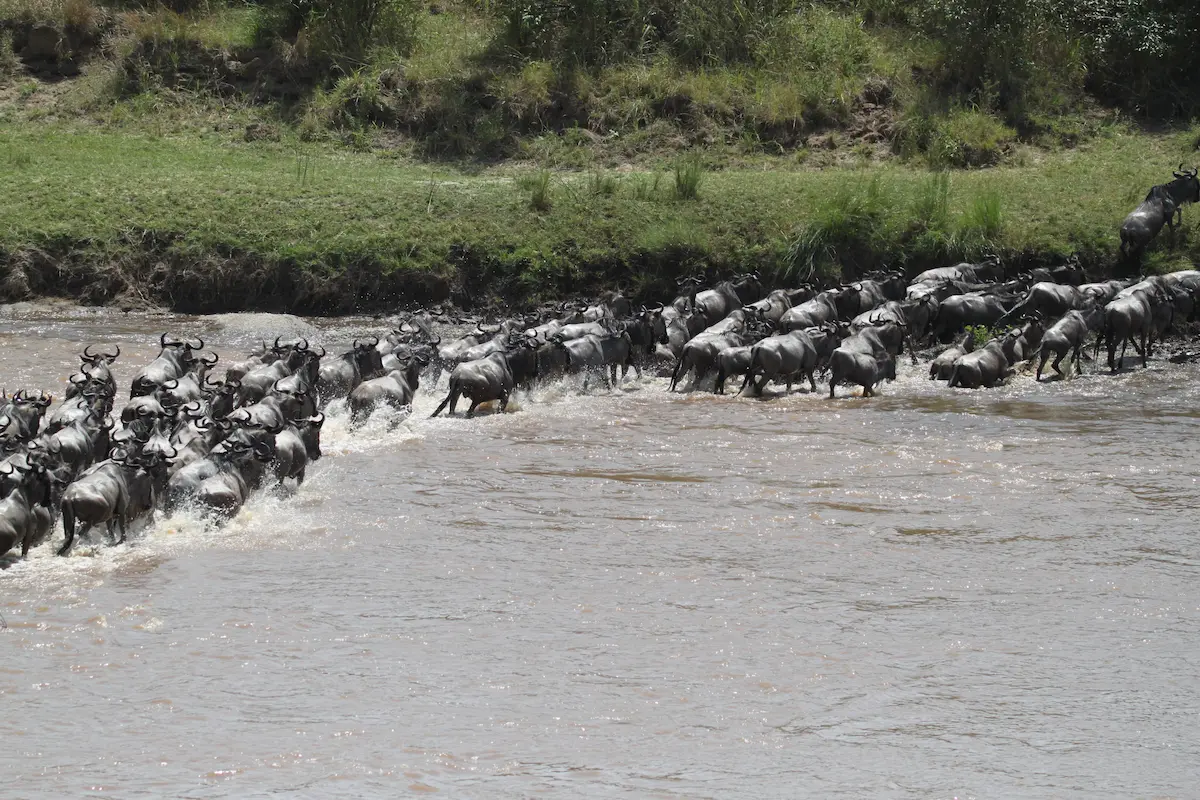
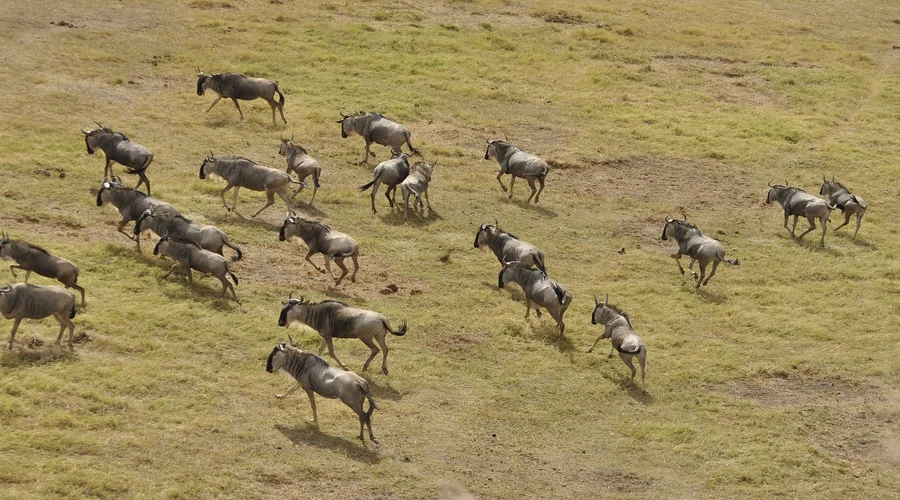
The Serengeti Migration Safari in July offers an unparalleled opportunity to witness one of the most awe-inspiring natural events on the planet: the Great Migration. Each year, over 1.5 million wildebeest, along with hundreds of thousands of zebras and gazelles, embark on a perilous journey across the Serengeti plains in search of greener pastures. By July, the herds have moved northwards from the southern Serengeti and are heading towards the Grumeti and Mara rivers, where dramatic river crossings take place.
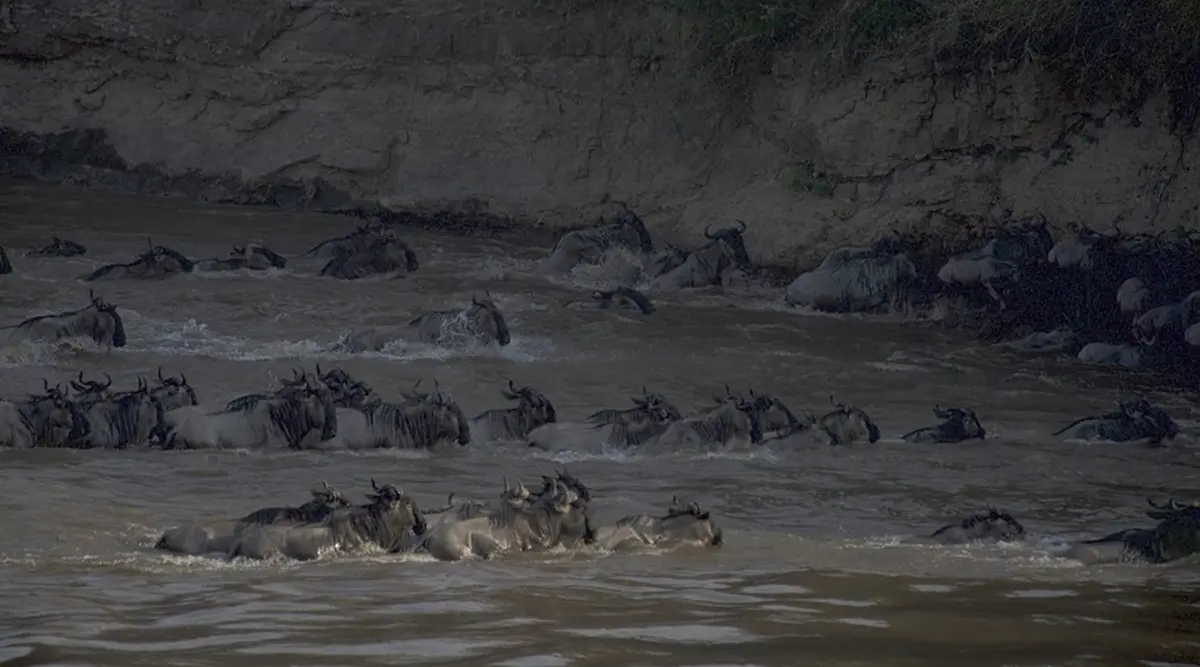
July is the peak of the dry season in the Serengeti, featuring clear skies, minimal rainfall, and cooler temperatures, with average temperatures between 14°C and 27°C (57°F to 81°F). The scarcity of water draws animals to rivers and watering holes, increasing the chances of remarkable sightings. The North-West Serengeti is ideal during this month, known for dramatic Grumeti River crossings where thousands of wildebeest and zebras brave the currents and predators, with this area offering open plains, woodlands, and riverine forests that support diverse wildlife.
Highlights
Witness dramatic Grumeti River crossings as the migration moves north
Experience the peak dry season — clear skies & excellent visibility
Spot the Big Five — lion, elephant, leopard, rhino & buffalo
Explore the North-West Serengeti — open plains, woodlands & riverine forests
Optional extension to Masai Mara, Kenya as herds cross by late July
Authentic Maasai cultural visits — traditional dance, beadwork & storytelling
Comfortable 14-27°C temperatures ideal for game drives
Fewer crowds than peak August migration season
Expert guides with deep ecosystem & wildlife behavior knowledge
Luxury lodges with spectacular migration route views
What is the daily itinerary?
- Destination 01: North-West Serengeti — Grumeti River Crossings
- Destination 02: Masai Mara Extension — Following the Herds into Kenya.
What happens each day of the tour?
North-West Serengeti — Grumeti River Crossings
The North-West Serengeti is ideal for the migration season, especially in July. Known for dramatic Grumeti River crossings, thousands of wildebeest and zebras brave the currents and predators here as the herds push northward in search of fresh grazing. This area offers open plains, woodlands, and riverine forests, supporting an exceptionally diverse range of wildlife.
It's less crowded than central Serengeti, providing an intimate safari experience with luxury lodges offering spectacular views and access to key migration routes. Your guide will track the latest herd movements daily, positioning you at the most active crossing points where wildebeest and zebras face crocodile-infested waters and turbulent currents — one of nature's most dramatic survival spectacles.
Game drives through this region also reveal the Serengeti's broader wildlife diversity — elephants, giraffes, buffaloes, and varied antelope species roam the woodlands and plains, while the dry season's sparse vegetation makes spotting wildlife considerably easier than during the wetter months.
- 🐊 Signature Experience: Grumeti River crossings in classic dry-season clarity
- 🏕️ Recommended Stay: Luxury tented camp along the migration corridor
Masai Mara Extension — Following the Herds into Kenya.
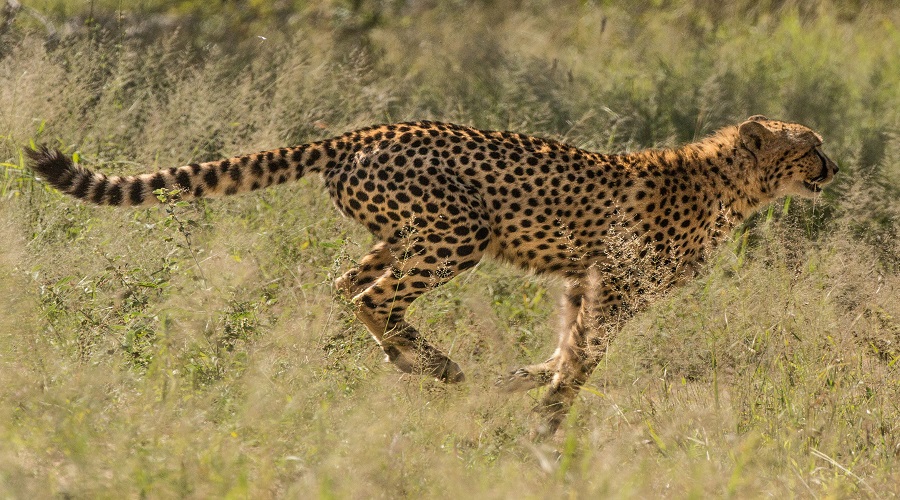
Located in Kenya, the Masai Mara is the northern extension of the Serengeti ecosystem and is famous for the Great Migration. By late July, migrating herds begin crossing into the Mara, staying until October. This area offers superb wildlife viewing, with lions, cheetahs, and leopards following the migration closely, creating intense predator-prey action throughout your stay.
The Mara River crossings are iconic, featuring dramatic scenes of wildebeest and zebras navigating crocodile-infested waters as they push deeper into Kenyan territory. The Masai Mara is also home to the Maasai people, offering rich cultural visits that provide genuine insights into their traditional way of life, homesteads, and customs.
Extending your July safari into the Masai Mara provides a comprehensive cross-border migration experience, capturing both the Grumeti crossings in Tanzania and the early Mara crossings in Kenya within a single, unforgettable trip.
- 🦓 Signature Experience: Early-season Mara River crossings & high predator density
- 🏨 Recommended Stay: Luxury lodge with Maasai cultural access
What accommodation is included?
Mid-Range — North-West Serengeti Tented Camp
Luxury — Grumeti Corridor Luxury Lodge
What is included and excluded?
What's Included?
What\'s Not Included?
Why Book with Generous African Tours?
Best Time to Visit Tanzania Safari
The best time to climb Mount Kilimanjaro is during the dry months of January-March and June-October, when the weather is stable with less rain.
Clear
Clear
Wet
Wet
Wet
Excellent
Excellent
Excellent
Excellent
Good
Quiet
Festive
Frequently Asked Questions
Q1: Is July a good month for the Serengeti Migration Safari?
Q2: What is the weather like in the Serengeti in July?
Q3: Will I see river crossings in July?
Q4: What should I pack for a July Serengeti safari?
Q5: Can I combine the July safari with a Masai Mara extension?
Tour Gallery