 Moshi, Tanzania
 +255 742 596 234
 generoustours@gmail.com






6 Days Marangu Route Kilimanjaro Climbing — Overview
The Marangu Route, famously known as the "Coca-Cola Route," is the oldest and most established pathway up Mount Kilimanjaro. It is particularly unique as the only route offering **A-frame wooden sleeping huts** with beds and mattresses instead of camping tents, providing comfort in cold or rainy conditions.
The 6-day version of this route is highly recommended over the 5-day option. It adds a **dedicated acclimatization day at Horombo Hut on Day 3**, which dramatically increases your body's adaptation to the altitude and significantly boosts your summit success rate.
Mount Kilimanjaro 6 Days Trek climbing route specifications:
- Duration: 6 Days Trek
- Start & End: Moshi or Arusha, Tanzania
- Accommodation: High-quality mountain camping tents
🏔
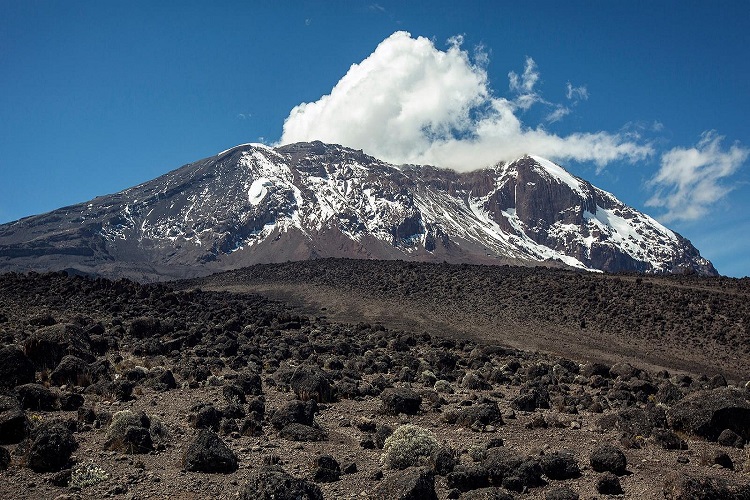
Roof of Africa: Stand at Uhuru Peak, the highest summit in Africa (5,895m)
🏔
Acclimatization: Climb high, sleep low route profiles for maximum success rates
🏔
Flora and Fauna: Trek through five distinct ecological zones from rainforest to desert
🏔
Scenic Camps: Rest in spacious tents with amazing vistas of Mount Kibo and Shira
- Day 01: Moshi → Marangu Gate → Mandara Hut
- Day 02: Mandara Hut → Horombo Hut
- Day 03: Acclimatization Day (Horombo Hut)
- Day 04: Horombo Hut → Kibo Hut
- Day 05: Kibo Hut → Uhuru Peak (5,895 m) → Horombo Hut
- Day 06: Horombo Hut → Marangu Gate → Moshi
Day 01
Moshi → Marangu Gate → Mandara Hut
📍 Altitude: 1,860 m → 2,700 m | 📏 Distance: 8 km | ⏱ 4–5 hours | 🍽 Lunch & Dinner
Drive to Marangu Gate. After registration, begin trekking through the rainforest where colobus monkeys are often seen. Arrive at Mandara Huts for dinner and overnight.
Day 02
Mandara Hut → Horombo Hut
📍 Altitude: 2,700 m → 3,720 m | 📏 Distance: 12 km | ⏱ 6–8 hours | 🍽 Breakfast, Lunch & Dinner
Leave the forest and enter the moorland zone. Trek past Maundi Crater and admire the views of Kibo and Mawenzi peaks. Reach Horombo Huts for overnight.
Day 03
Acclimatization Day (Horombo Hut)
📍 Altitude: 3,720 m | 📏 Distance: 5 km (hike) | ⏱ 3–4 hours | 🍽 Breakfast, Lunch & Dinner
Spend a dedicated day at Horombo Hut for acclimatization. Take a scenic hike up to Zebra Rocks (4,020 m) or toward Mawenzi Tarn, then return to Horombo Hut for rest and sleep.
Day 04
Horombo Hut → Kibo Hut
📍 Altitude: 3,720 m → 4,700 m | 📏 Distance: 10 km | ⏱ 6–8 hours | 🍽 Breakfast, Lunch & Dinner
Ascend through the alpine desert, crossing the Saddle between Kibo and Mawenzi. Arrive at Kibo Hut, rest, and prepare for the midnight summit push.
Day 05
Kibo Hut → Uhuru Peak (5,895 m) → Horombo Hut
📍 Altitude: 4,700 m → 5,895 m → 3,720 m | 📏 Distance: 16 km | ⏱ 10–15 hours | 🍽 Breakfast, Lunch & Dinner
Begin climbing at midnight. Ascend through scree to Gilman’s Point on the crater rim, then push on to Uhuru Peak. Descend back to Kibo Hut for lunch and proceed to Horombo Hut.
Day 06
Horombo Hut → Marangu Gate → Moshi
📍 Altitude: 3,720 m → 1,860 m | 📏 Distance: 20 km | ⏱ 5–7 hours | 🍽 Breakfast & Lunch
A steady descent takes you through moorland and rainforest back to Marangu Gate. Receive your summit certificates and transfer back to your lodge in Moshi.
Dome Mountain Tents
Full Camping Gear standard
Double-walled four-season dome tents, fully insulated sleeping mats, and warm group mess tents with dining chairs.
Trek Camping
Pre/Post Moshi Lodge
Comfort standard
Clean mid-range hotel accommodation in Moshi/Arusha before and after the trek, inclusive of hot showers and breakfast.
Moshi Lodge
All Kilimanjaro National Park fees, taxes & climbing permits
Professional KPAP-certified mountain guide
Experienced assistant guide & porter team
All meals during the climb (breakfast, lunch & dinner)
Dormitory hut accommodation in Mandara, Horombo & Kibo Huts
Return transfers from Moshi / Arusha hotel to Marangu Gate
Emergency oxygen cylinder & first aid equipment
Pulse oximeter for health monitoring throughout the climb
Summit certificate for successful Uhuru Peak summiteers
All government taxes & VAT
✕International & domestic flights
✕Tanzania visa fees (approx. $50 USD)
✕Personal climbing gear & equipment rental
✕Travel & comprehensive medical insurance (required)
✕Tips & gratuities for guides and porters (expected)
✕Personal expenses & souvenirs
✕Hotel accommodation before & after the climb
✕Alcoholic beverages & soft drinks on the mountain
✕Vaccinations & travel health consultations
✕Gear rental (sleeping bags, jackets, poles — available on request)
KPAP & Local Experts
Our guides have 10+ years of tracking experience, knowing exactly where the wildlife migrates and how to escape the crowds.
Custom 4x4 Vehicles
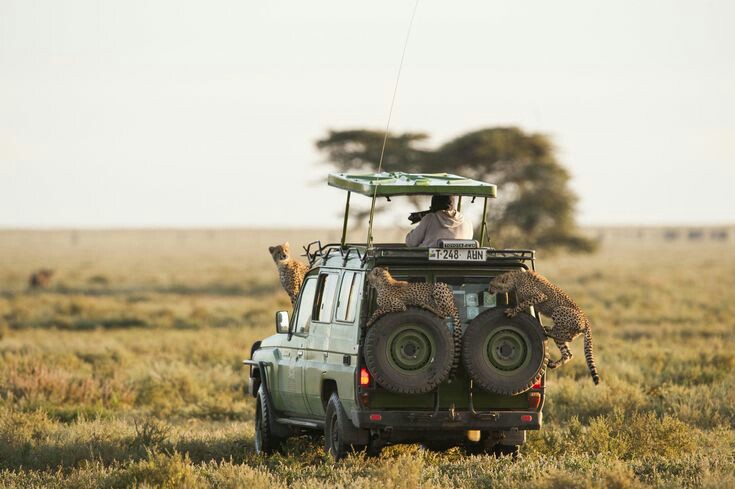
Travel in safety with custom-modified Toyota Land Cruisers featuring charging ports, large windows, and a pop-up roof.
Tailored Hospitality
We handpick clean, high-service safari lodges and luxury camps, ensuring delicious meals and excellent comfort after game drives.
The best time to climb Mount Kilimanjaro is during the dry months of January-March and June-October, when the weather is stable with less rain.
Jan
🌤
Dry Season
Clear
Clear
Feb
🌤
Dry Season
Clear
Clear
Mar
🌧
Short Rains
Wet
Wet
Apr
🌧
Long Rains
Wet
Wet
May
🌧
Long Rains
Wet
Wet
Jun
⭐
Peak Dry
Excellent
Excellent
Jul
⭐
Peak Dry
Excellent
Excellent
Aug
⭐
Peak Dry
Excellent
Excellent
Sep
⭐
Peak Dry
Excellent
Excellent
Oct
🌤
Dry End
Good
Good
Nov
🌧
Short Rains
Quiet
Quiet
Dec
⭐
Good Season
Festive
Festive
Peak season
Good season
Low / rainy season
FAQ
What is the best time to climb Mount Kilimanjaro?
The best times to climb Mount Kilimanjaro are during the dry seasons: from January to March (usually colder and quieter) and from June to October (warmer and busier).
FAQ
Do I need technical climbing experience for Mount Kilimanjaro?
No technical climbing experience or special gear (like ropes or ice axes) is required. Kilimanjaro is a non-technical trek, but the high altitude makes it physically demanding. Good cardiovascular fitness is highly recommended.
FAQ
What mountain gear is provided in the climb package?
We provide all group camping gear, including double-walled four-season dome tents, foam sleeping mats, large mess tents, tables, chairs, cooking equipment, and eating utensils. Personal gear like sleeping bags, walking poles, and thermal clothing can be rented.