Rongai Route – 7 Day Climb Pricing
$2,900 – $3,300 per person (confirm — brief doesn't price Rongai specifically) USD
Group departure rate. Includes park fees, guide/porter/cook wages, camping and hut fees, all meals on the mountain, and safety equipment. Excludes flights, visa, tips and personal gear.
Fair Wages IncludedQuiet Northern RoutePark Fees IncludedAirport Pickup
- Route: Rongai — 7 days, 6 nights, approaching from Kilimanjaro's dry northern side
- Only route that starts near the Kenyan border and descends via the Marangu huts
- Built-in acclimatization day at Mawenzi Tarn Camp
- Guides, cooks and porters paid above Tanzania's Labour Institutions Wage Order minimum
The Rongai Route is a 7-day path up Kilimanjaro's quieter northern side, approaching from near the Kenyan border and descending via the Marangu Route's huts on the way down.
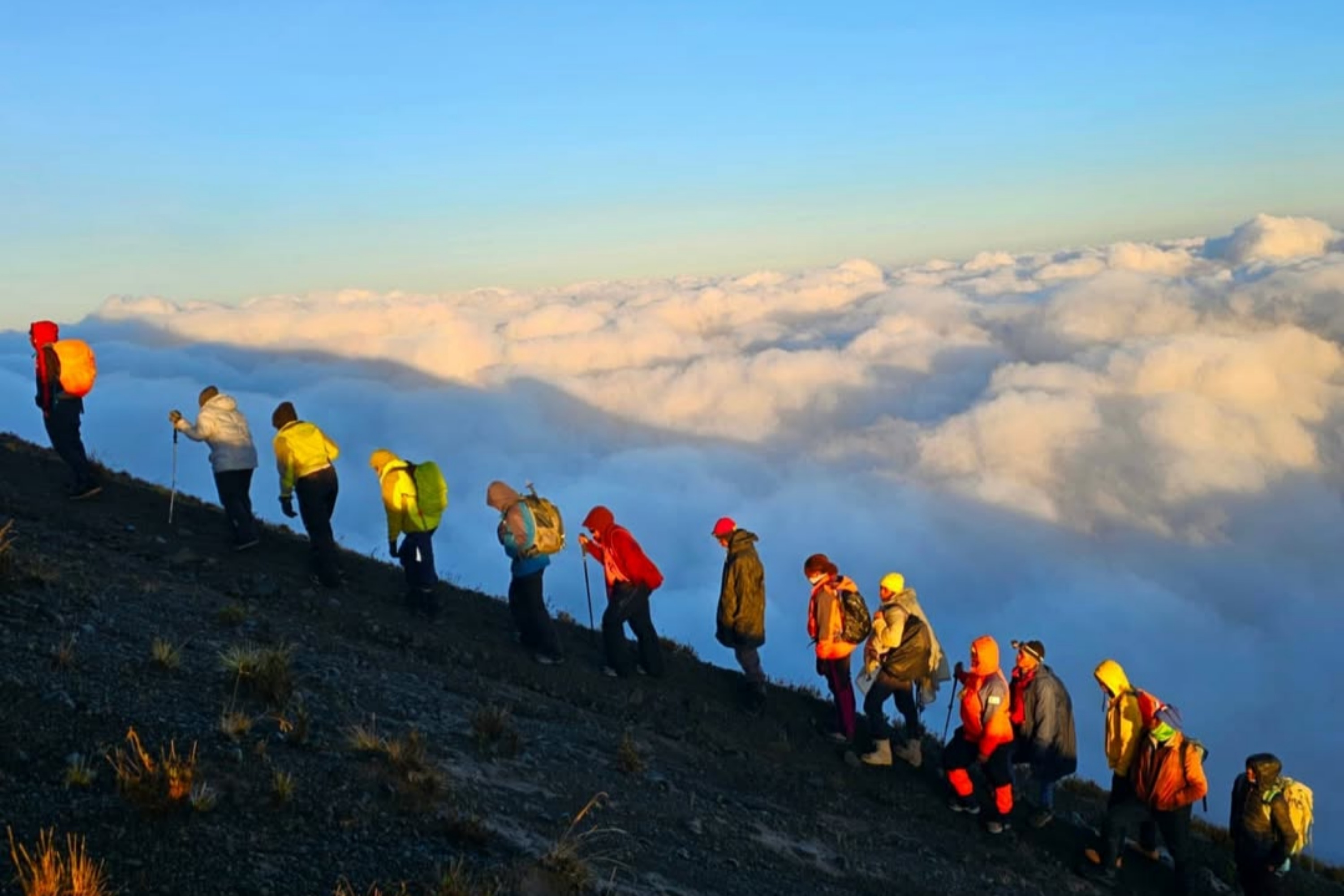
Because it climbs the drier, less-traveled north face, Rongai sees far fewer climbers than Machame or Lemosho and holds up better in the rainy season, when the southern routes turn muddy. The scenery is more subdued — rolling moorland and views toward Kenya rather than dramatic valleys — which is the trade-off for the quiet and the weather reliability.
A distinctive feature of this route is its mixed accommodation: camping tents for the first five nights, then a switch to the Marangu Route's permanent huts for the descent, since Rongai and Marangu share the same exit path. Climbers get a taste of both styles of Kilimanjaro accommodation in a single trip.
Mount Kilimanjaro Fair Wages Included climbing route specifications:
- Duration: Fair Wages Included
- Start & End: Moshi or Arusha, Tanzania
- Accommodation: High-quality mountain camping tents
🏔
Kilimanjaro's driest, quietest standard route, ideal for rainy-season climbs
🏔
Built-in acclimatization day at Mawenzi Tarn Camp, beneath Mawenzi's jagged peak
🏔
Descends via Marangu's mountain huts for a night indoors before the trailhead
🏔
Porters capped at the legal 20kg load limit and properly equipped
🏔
Small group departures, max 8 climbers
🏔
Official Kilimanjaro National Park summit certificate on completion
- Day 1: Rongai Gate to Simba Camp
- Day 2: Simba Camp to Kikelewa Camp
- Day 3: Kikelewa Camp to Mawenzi Tarn Camp
- Day 4: Acclimatization Day at Mawenzi Tarn
- Day 5: Cross the Saddle to Kibo Hut
- Day 6: Summit Night: Uhuru Peak, then Descend to Horombo Hut
- Day 7: Descend to Marangu Gate and Certificate Presentation
Day 1
Rongai Gate to Simba Camp
Meals: L, D8km · 4–5 hrs1,950m → 2,650mForest/moorland edge
The climb begins at the remote Rongai Gate (1,950m), near the Kenyan border, on a trail with noticeably fewer climbers than the southern routes. A gentle forest walk leads to Simba Camp (2,650m), also known as First Cave.
🔥 HIGHLY ANTICIPATED SUMMIT DAY
Day 2
Simba Camp to Kikelewa Camp
Meals: B, L, D10km · 5–6 hrs2,650m → 3,600mMoorland zone
The trail opens onto rolling moorland with views north toward Kenya, climbing steadily to Kikelewa Camp (3,600m), tucked into a valley below Mawenzi's jagged silhouette.
Day 3
Kikelewa Camp to Mawenzi Tarn Camp
Meals: B, L, D6km · 3–4 hrs3,600m → 4,330mScenic acclimatization terrain
A shorter but steep day climbs to Mawenzi Tarn Camp (4,330m), set in a natural amphitheater beneath Mawenzi Peak — Kilimanjaro's jagged, eroded second summit. This is widely considered one of the most dramatic campsites on the mountain.
Day 4
Acclimatization Day at Mawenzi Tarn
Meals: B, L, D4,330m (stationary)Optional Mawenzi viewpoint walkRest day
A full rest day at Mawenzi Tarn allows the body to acclimatize before crossing the Saddle. An optional walk toward the base of Mawenzi Peak offers close-up views without technical climbing.
Day 5
Cross the Saddle to Kibo Hut
Meals: B, L, D9km · 4–5 hrs4,330m → 4,700mAlpine desert zone
The trail crosses the Saddle, the stark plain between Kilimanjaro's two peaks, to Kibo Hut (4,700m) — the same summit-night base used by the Marangu Route, since the two paths converge here.
🔥 HIGHLY ANTICIPATED SUMMIT DAY
Day 6
Summit Night: Uhuru Peak, then Descend to Horombo Hut
Meals: B, L, D19km · 12–14 hr4,700m → 5,895m → 3,720mSummit night
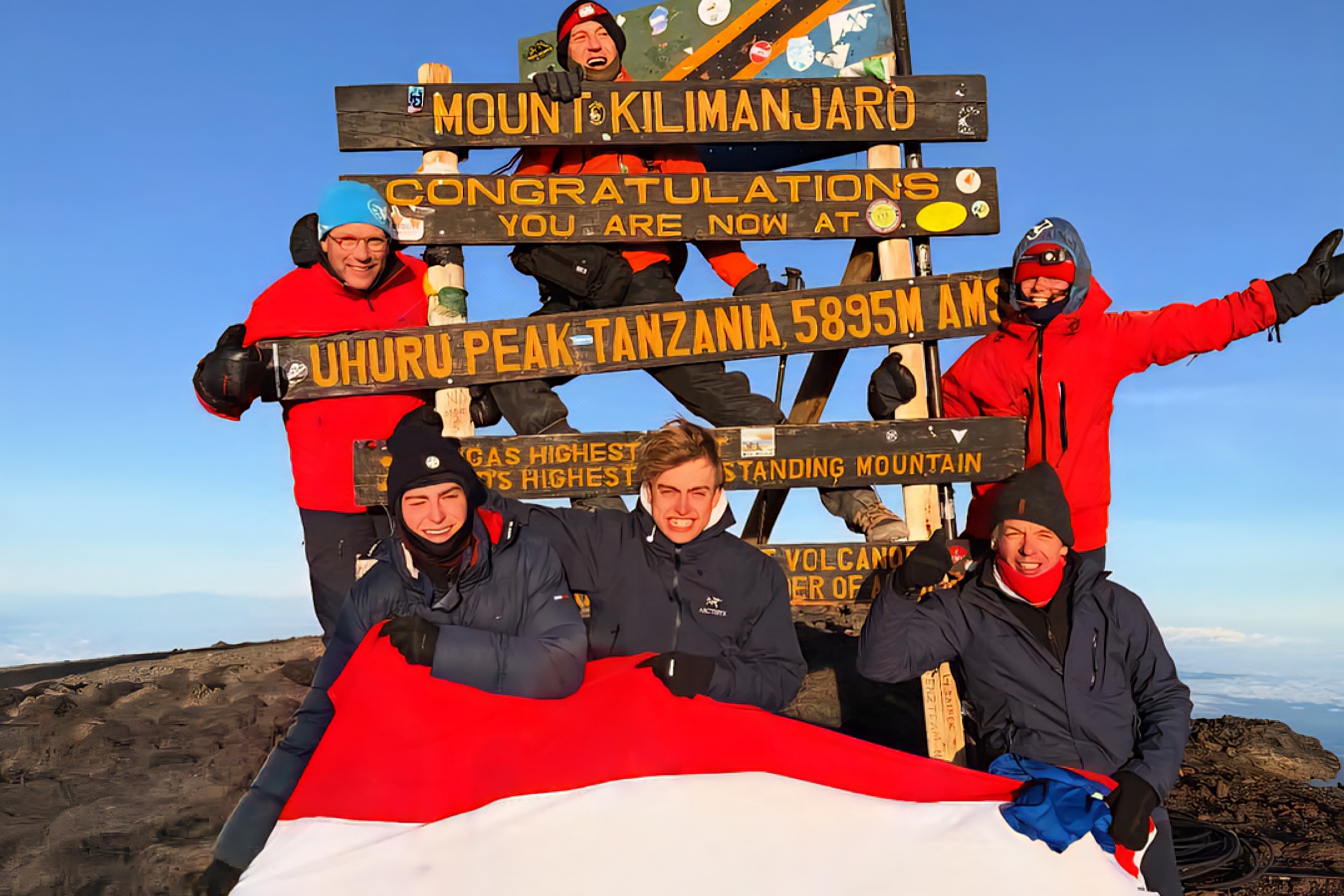
Summit night departs Kibo Hut around midnight, reaching Gilman's Point on the crater rim before continuing to Uhuru Peak (5,895m). The descent continues the same day to Horombo Hut (3,720m), where you'll spend your only night in a permanent hut on this route
Day 7
Descend to Marangu Gate and Certificate Presentation
Meals: B20km · 6–7 hrs3,720m → 1,800m
The final descent follows the Marangu Route down to Marangu Gate (1,800m) for certificate presentation, then a transfer to your Moshi or Arusha hotel.
Kilimanjaro National Park entry, camping and hut fees
Professional guide, assistant guides, cook and porter team
Guide, cook and porter wages paid above Tanzania's legal minimum
All meals on the mountain plus purified drinking water
Shared 2-person sleeping tents (Days 1–5) and one hut night at Horombo (Day 6)
Park rescue fees and guide-carried emergency oxygen
Pre-climb briefing and airport (JRO) pickup
Kilimanjaro National Park summit certificate
International flights and Tanzania visa
Personal climbing gear and clothing
Tips for guides, cooks and porters
Moshi/Arusha hotel nights before or after the climb (can be added)
Travel and evacuation insurance
Private toilet tent (available as an add-on)
🕵️♂️
KPAP & Local Experts
Our guides have 10+ years of tracking experience, knowing exactly where the wildlife migrates and how to escape the crowds.
🚙
Custom 4x4 Vehicles
Travel in safety with custom-modified Toyota Land Cruisers featuring charging ports, large windows, and a pop-up roof.
⭐
Tailored Hospitality
We handpick clean, high-service safari lodges and luxury camps, ensuring delicious meals and excellent comfort after game drives.
The best time to climb Mount Kilimanjaro is during the dry months of January-March and June-October, when the weather is stable with less rain.
Peak season
Good season
Low / rainy season
FAQ
Why choose Rongai over Machame or Lemosho?
Mainly weather and crowds — Rongai's northern, drier position makes it a strong choice in the rainy season, and it sees noticeably fewer climbers year-round.
FAQ
Is the scenery less impressive than other routes?
It's different rather than lesser — more open moorland and views of Mawenzi Peak, less of the dramatic valley scenery found on Machame or Lemosho.
FAQ
Why does this route end at different accommodation than it starts?
Rongai and Marangu share the same summit-night base (Kibo Hut) and descent path, so climbers switch from tents to Marangu's huts for the way down.
FAQ
What is Mawenzi Peak?
Kilimanjaro's smaller, jagged second summit — heavily eroded and not open to climbing, but a dramatic backdrop for two nights of this route.
FAQ
Do I need previous trekking experience?
No technical experience is required — Rongai is considered one of the gentler routes in terms of daily gradient.

 Moshi, Tanzania
 +255 742 596 234
 generoustours@gmail.com