 Moshi, Tanzania
 +255 742 596 234
 generoustours43@gmail.com




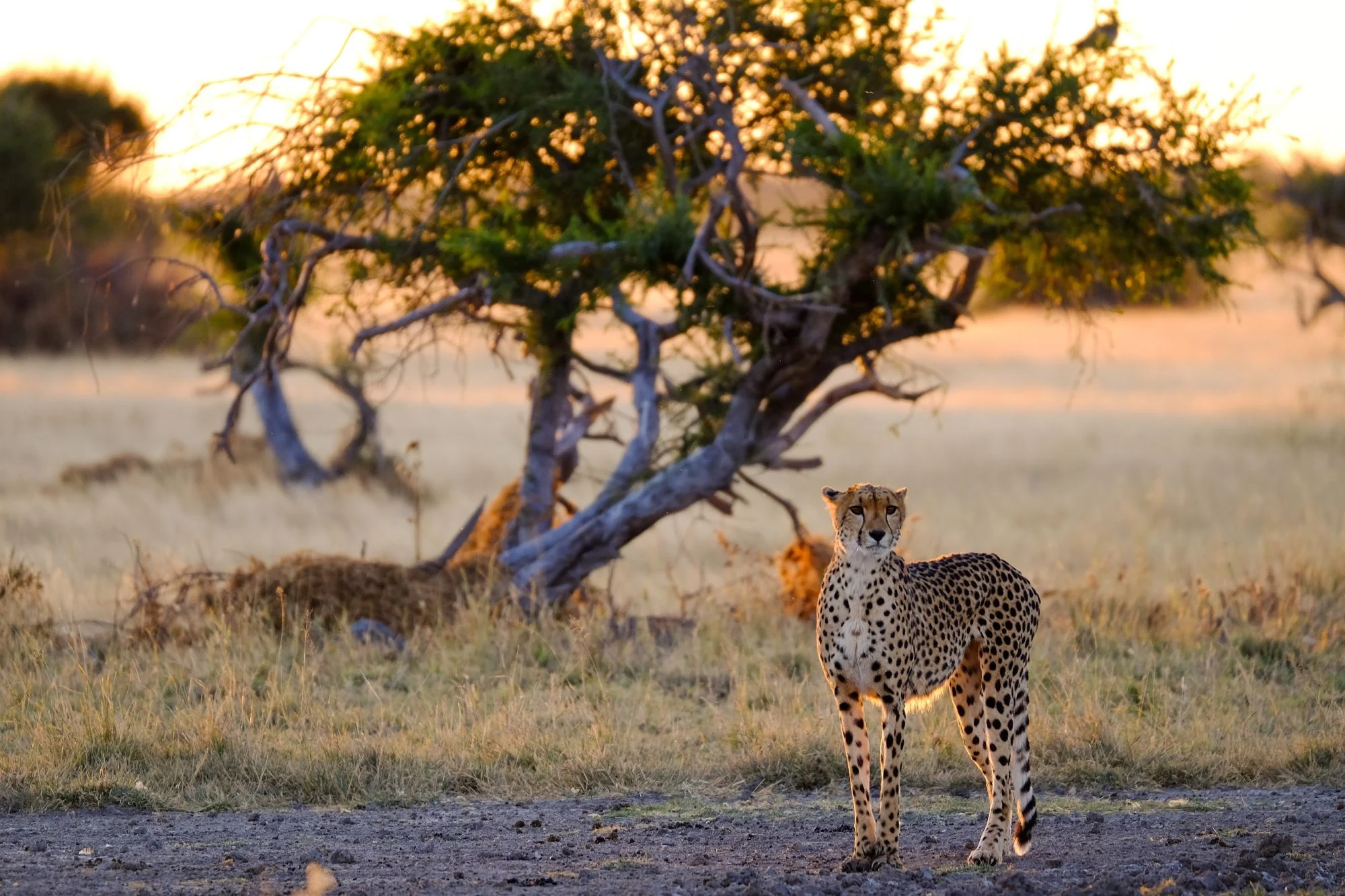
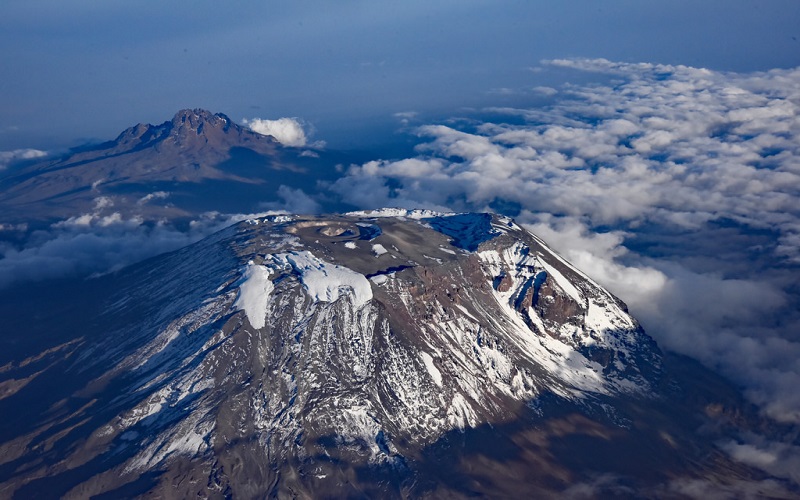
Tanzania sits on Africa's east coast, home to the Serengeti's endless plains, Kilimanjaro's snow-capped summit, and Zanzibar's white-sand beaches — three completely different trips inside one country. This guide covers what you actually need to know before you go: what it costs, when to go, how to get there, and how the pieces fit together.
What Kind of Trip Is Tanzania?
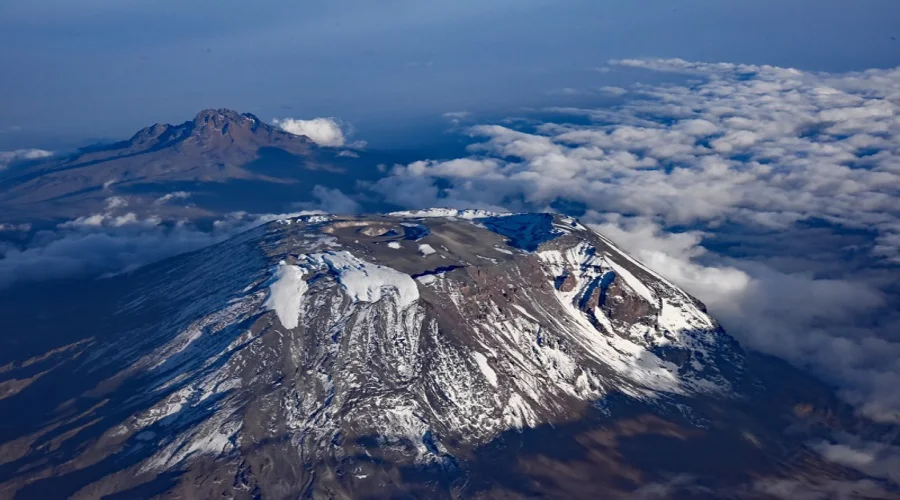
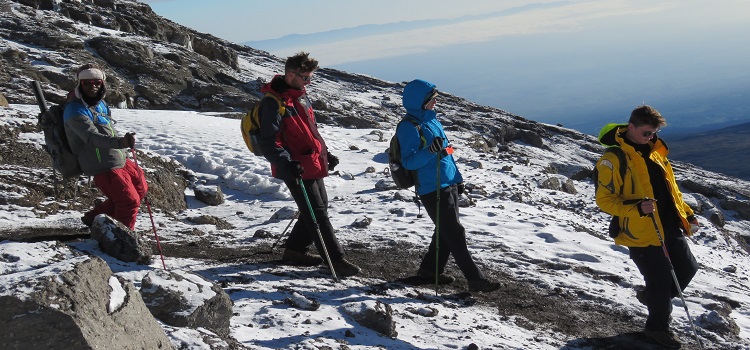
Most visitors come for one of three experiences, and many combine two or all three in a single trip. A safari means days in a 4x4 vehicle tracking wildlife across parks like the Serengeti, Ngorongoro Crater, and Tarangire. A Kilimanjaro climb means five to nine days trekking to Africa's highest point, at 5,895 meters. A Zanzibar stay means slowing down on the Indian Ocean coast after the dust of the mainland.
None of these require the others. You can fly in for a beach-only week in Zanzibar, or climb Kilimanjaro without ever seeing a lion. But the three sit close enough together — a short domestic flight apart — that combining them is common, and often cheaper than three separate trips.
How Long Do You Need?
A short safari runs 3-4 days and covers 2-3 parks. A fuller Big Five-focused trip runs 5 days. Adding Zanzibar typically adds 3-4 days. A Kilimanjaro climb alone runs 6-9 days depending on the route, since longer routes give your body more time to adjust to altitude. Travelers combining safari, climbing, and Zanzibar in one trip usually plan 12-16 days total.
There's no wrong length — a 3-day trip and a 14-day trip both work, they just show you different amounts of the country. If you're unsure, our Tanzania Safari Packages guide breaks down which duration fits which traveler.
What Does It Cost?
Tanzania prices in three tiers, and understanding this upfront saves a lot of confusion later. Entry-level trips use public campsites or simple lodges and run roughly $220-$420 per person per day on safari, $250-$320 per day on Zanzibar. Midrange trips use tented camps and comfortable lodges, running $420-$600 per safari day and $320-$420 per Zanzibar day. Luxury trips use premium camps and resorts, from $600 per day upward on safari and $420-$550 on Zanzibar.
Kilimanjaro climbs run separately from safari pricing, since the cost is driven by route length and porter/guide staffing rather than accommodation category — a 7-day Machame route typically runs $2,900-$6,500 depending on group size and service level.
Whatever your budget, the price difference between tiers mostly reflects where you sleep, not what your guide or crew is paid — we explain that in more detail on our safari packages page.
When to Go
Tanzania's dry season, June through October, offers the easiest travel conditions: clear roads, concentrated wildlife, and reliable Kilimanjaro summit weather. December through February is also dry and popular, with warmer temperatures. The long rains, March through May, bring lower prices and quieter parks, but muddier roads and reduced Kilimanjaro visibility.
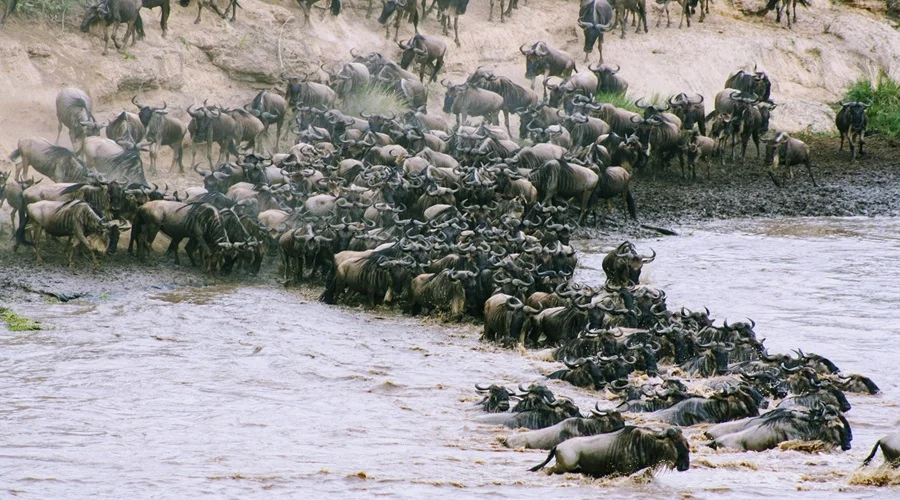
If your main goal is the wildebeest migration crossing the Mara River, timing narrows further to roughly July through October. Our month-by-month migration guide covers that in detail, and our seasonal guide covers the bigger picture.
Getting There and Around
Most international visitors fly into Kilimanjaro International Airport (JRO), near Arusha, which is the main gateway for safari and climbing trips. Zanzibar has its own international airport (ZNZ), and Dar es Salaam (DAR) serves as the mainland's largest hub. Domestic flights connect all three easily, and a short flight from the northern safari circuit to Zanzibar is a common way to end a trip.
Once you're on safari, you'll travel in a private 4x4 vehicle with a driver-guide — there's no need to self-drive or navigate public transport between parks.
Visa, Currency, and Practical Details
Most nationalities need a visa to enter Tanzania, available on arrival or online in advance depending on your passport. The currency is the Tanzanian Shilling (TZS), though US dollars are widely accepted for tours, park fees, and hotels. SIM cards with data are inexpensive and easy to buy at the airport or in Arusha, and most lodges and camps offer at least basic Wi-Fi.
Health and Safety
Tanzania is a well-established, tourist-friendly destination with low crime rates against visitors. Malaria precautions and routine travel vaccinations are worth discussing with a travel health professional before you go. We go into more detail — including what to actually expect day to day — in our dedicated Tanzania safety guide.
How the Pieces Fit Together
A typical combined trip runs in this order: arrive in Arusha, safari through the northern circuit parks, then either climb Kilimanjaro before the safari (for altitude acclimatization) or fly to Zanzibar afterward to unwind. Some travelers do safari and Zanzibar only; others add the climb. There's no single "correct" order — it depends on your fitness, time, and what you want to prioritize.
Where to Start
If you're still deciding whether Tanzania is the right destination at all, start with 15 reasons to visit. If you know you're coming and want to compare specific trip types, our safari packages guide, Kilimanjaro climbing guide, and Zanzibar excursions guide each go deeper into one part of the trip.
Overview
Tanzania sits on Africa's east coast, home to the Serengeti's endless plains, Kilimanjaro's snow-capped summit, and Zanzibar's white-sand beaches — three completely different trips inside one country. This guide covers what you actually need to know before you go: what it costs, when to go, how to get there, and how the pieces fit together.
What Kind of Trip Is Tanzania?
Most visitors come for one of three experiences, and many combine two or all three in a single trip. A safari means days in a 4x4 vehicle tracking wildlife across parks like the Serengeti, Ngorongoro Crater, and Tarangire. A Kilimanjaro climb means five to nine days trekking to Africa's highest point, at 5,895 meters. A Zanzibar stay means slowing down on the Indian Ocean coast after the dust of the mainland.
None of these require the others. You can fly in for a beach-only week in Zanzibar, or climb Kilimanjaro without ever seeing a lion. But the three sit close enough together — a short domestic flight apart — that combining them is common, and often cheaper than three separate trips.
How Long Do You Need?
A short safari runs 3-4 days and covers 2-3 parks. A fuller Big Five-focused trip runs 5 days. Adding Zanzibar typically adds 3-4 days. A Kilimanjaro climb alone runs 6-9 days depending on the route, since longer routes give your body more time to adjust to altitude. Travelers combining safari, climbing, and Zanzibar in one trip usually plan 12-16 days total.
There's no wrong length — a 3-day trip and a 14-day trip both work, they just show you different amounts of the country. If you're unsure, our Tanzania Safari Packages guide breaks down which duration fits which traveler.
What Does It Cost?
Tanzania prices in three tiers, and understanding this upfront saves a lot of confusion later. Entry-level trips use public campsites or simple lodges and run roughly $220-$420 per person per day on safari, $250-$320 per day on Zanzibar. Midrange trips use tented camps and comfortable lodges, running $420-$600 per safari day and $320-$420 per Zanzibar day. Luxury trips use premium camps and resorts, from $600 per day upward on safari and $420-$550 on Zanzibar.
Kilimanjaro climbs run separately from safari pricing, since the cost is driven by route length and porter/guide staffing rather than accommodation category — a 7-day Machame route typically runs $2,900-$6,500 depending on group size and service level.
Whatever your budget, the price difference between tiers mostly reflects where you sleep, not what your guide or crew is paid — we explain that in more detail on our safari packages page.
When to Go
Tanzania's dry season, June through October, offers the easiest travel conditions: clear roads, concentrated wildlife, and reliable Kilimanjaro summit weather. December through February is also dry and popular, with warmer temperatures. The long rains, March through May, bring lower prices and quieter parks, but muddier roads and reduced Kilimanjaro visibility.
If your main goal is the wildebeest migration crossing the Mara River, timing narrows further to roughly July through October. Our month-by-month migration guide covers that in detail, and our seasonal guide covers the bigger picture.
Getting There and Around
Most international visitors fly into Kilimanjaro International Airport (JRO), near Arusha, which is the main gateway for safari and climbing trips. Zanzibar has its own international airport (ZNZ), and Dar es Salaam (DAR) serves as the mainland's largest hub. Domestic flights connect all three easily, and a short flight from the northern safari circuit to Zanzibar is a common way to end a trip.
Once you're on safari, you'll travel in a private 4x4 vehicle with a driver-guide — there's no need to self-drive or navigate public transport between parks.
Visa, Currency, and Practical Details
Most nationalities need a visa to enter Tanzania, available on arrival or online in advance depending on your passport. The currency is the Tanzanian Shilling (TZS), though US dollars are widely accepted for tours, park fees, and hotels. SIM cards with data are inexpensive and easy to buy at the airport or in Arusha, and most lodges and camps offer at least basic Wi-Fi.
Health and Safety
Tanzania is a well-established, tourist-friendly destination with low crime rates against visitors. Malaria precautions and routine travel vaccinations are worth discussing with a travel health professional before you go. We go into more detail — including what to actually expect day to day — in our dedicated Tanzania safety guide.
How the Pieces Fit Together
A typical combined trip runs in this order: arrive in Arusha, safari through the northern circuit parks, then either climb Kilimanjaro before the safari (for altitude acclimatization) or fly to Zanzibar afterward to unwind. Some travelers do safari and Zanzibar only; others add the climb. There's no single "correct" order — it depends on your fitness, time, and what you want to prioritize.
Where to Start
If you're still deciding whether Tanzania is the right destination at all, start with 15 reasons to visit. If you know you're coming and want to compare specific trip types, our safari packages guide, Kilimanjaro climbing guide, and Zanzibar excursions guide each go deeper into one part of the trip.
Watch the Adventure
Photo Gallery

Tour Location & Route Map
Activities Included
Best Time to Visit
| Month | Season | Highlights | Status |
|---|---|---|---|
| Jun-Oct | Long Dry Season | Peak wildlife viewing; Mara River crossings (Jul–Oct); clearest Kilimanjaro summit weather | Best |
| Nov | Short Rains Begin | Rains start but stay brief; parks quieter; good transition month before the Dec surge | Best |
| Dec-Feb | Short Dry Season | Warm and dry; wildebeest calving season (Jan–Feb) in the southern Serengeti; reliable Kilimanjaro conditions | Best |
Pricing & Packages
- Park and conservation fees included
- English-speaking driver-guide
- All meals as listed
- Fair-wage crew standard (same across all tiers)
- En-suite tented camps or 3-4 star lodges
- Private vehicle, small group sizes
- Full board dining
- Fair-wage crew standard (same across all tiers)
- Premium properties in prime wildlife locations
- Private guide and vehicle
- Enhanced amenities and dining
- Fair-wage crew standard (same across all tiers)
Pros
- Three distinct trip types (safari, mountain, beach) within one country
- Well-developed tourism infrastructure and experienced guides
- Flexible trip lengths, from a few days to two weeks or more
- Domestic flights make combining regions easy
Cons
- Longer international flights for many travelers (often via Europe or the Middle East)
- Costs vary widely and require some research to compare fairly
- Peak season (June-October, December-February) means higher prices and busier parks
Who Is This For?
Anyone in the early stages of planning a Tanzania trip — first-time Africa visitors, returning travelers building a longer itinerary, and anyone trying to understand how safari, Kilimanjaro, and Zanzibar fit together before diving into specific package pages.
When to Go
June through October and December through February offer the most predictable weather for all three trip types. The long rains, March through May, lower prices and crowds but add planning considerations, especially for Kilimanjaro visibility and safari road conditions.
How Much?
June through October and December through February offer the most predictable weather for all three trip types. The long rains, March through May, lower prices and crowds but add planning considerations, especially for Kilimanjaro visibility and safari road conditions.
How to Book Your Safari
Frequently Asked Questions

Plan Your Tanzania Trip
Start Planning Your Tanzania Trip