7 Days Tanzania Safari Prices

PER PERSON (ESTIMATED PRICE)
$2,400 – $4,800 USD
Per person based on group size and accommodation standard. Crater fees included.
7 DaysPrivate TourArusha Start & End· Northern Circuit

7 Days Tanzania Safari - Overview

Seven days is the ideal length for Tanzania's northern safari circuit — enough time to do each park justice without rushing, and enough flexibility for your guide to extend a morning when the wildlife is exceptional. This itinerary visits Tarangire National Park, Lake Manyara, the central and southern Serengeti, and culminates with a full Ngorongoro Crater descent before returning to Arusha.

With two full days in the Serengeti and a dedicated crater descent day, the 7-day format hits the sweet spot between value and depth. You are not skimming the surface — you have time for dawn drives, bush lunches, extended predator tracking, and the unhurried pace that makes a safari memorable rather than merely eventful.

This package suits travellers who want the complete Tanzania story in one trip — the dry Tarangire landscape, the lush Manyara forest, the open Serengeti plains, and the enclosed perfection of the Ngorongoro Crater — without extending to 8 or 10 days.

7 Days Tanzania Safari - Highlights

🐾
Tarangire elephant herds — largest concentration in Tanzania
🐾
Lake Manyara tree-climbing lions and flamingos
🐾
Full Ngorongoro Crater descent — black rhino, Big Five
🐾
Olduvai Gorge visit (Day 6)
🐾
Private vehicle and expert guide throughout
🐾
All park and crater fees included

7 Days Tanzania Safari - Short Itinerary

  • Day 1: Arusha to Tarangire National Park Elevation: 1,400m
  • Day 2: Tarangire to Lake Manyara National Park Elevation: 950m (lake level)
  • Day 3: Lake Manyara to Central Serengeti via Ngorongoro Elevation: 2,300m (Ngorongoro rim) → 1,500m (Serengeti plains)
  • Day 4: Full Day Central Serengeti — Seronera Valley Elevation: 1,500m
  • Day 5: Full Day Serengeti — Migration Tracking Elevation: 1,500m
  • Day 6: Full Day Serengeti — Western Corridor or Northern Serengeti Elevation: 1,500m
  • Day 7: Serengeti to Ngorongoro Crater — Full Descent Elevation: 2,300m (rim) → 1,700m (crater floor)

7 Days Tanzania Safari - Detailed Day-by-Day Itinerary

Day 1

Arusha to Tarangire National Park Elevation: 1,400m

Meals: L, DDrive: ~2 hrsAfternoon Game Drive
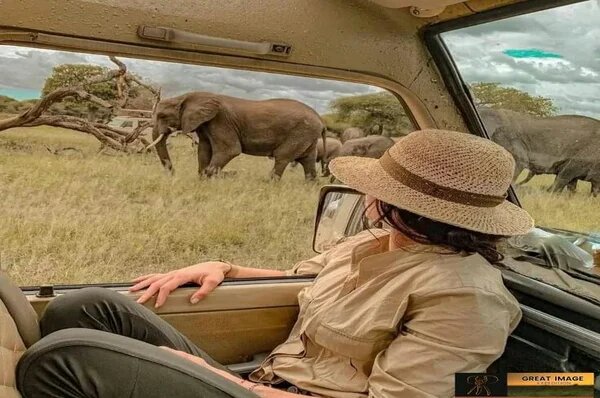
Your Tanzania safari begins with an early morning pickup from your Arusha hotel. After a brief introduction from your guide — who will cover the route, wildlife expectations, and vehicle etiquette — you drive south through the fertile farmland and Maasai steppe that frames the approach to Tarangire National Park. You enter the park in time for a full afternoon game drive along the Tarangire River circuit. Tarangire is Tanzania's most underrated park and the best place on earth to see African elephants in sheer numbers — herds of 200 to 300 animals converge on the river during the dry season, moving in slow, dusty processions through ancient baobab woodland. Lion prides rest in the shade of riverine trees, leopards patrol the rocky outcrops, and the skies above are alive with over 500 recorded bird species. As the sun drops low and turns the baobabs gold, you arrive at your first night's camp or lodge — the first of seven nights sleeping deep inside Tanzania's wild heart.
🔥 EXCITING WILDLIFE SPOTLIGHT GAME DRIVE
Day 2

Tarangire to Lake Manyara National Park Elevation: 950m (lake level)

Meals: B, L, DDrive: ~1.5 hrsFull Day Game Drive
After an early breakfast, you leave Tarangire and drive north to Lake Manyara National Park — a compact but extraordinarily diverse park wedged between the Great Rift Valley escarpment and the alkaline shores of Lake Manyara itself. Entry into the park is immediately dramatic: the track plunges into dense groundwater forest — ancient fig trees with roots that grip the earth like claws, baboon troops crossing in noisy chaos, and blue monkeys ghosting through the upper canopy. The forest gives way to open floodplain where elephant herds graze in slow, unhurried groups, and then to the lake shore — where flamingos gather in their thousands, colouring the alkaline shallows a vivid, improbable pink. Manyara is famous worldwide for its tree-climbing lions — a rare behaviour found in only two places on earth — and your guide will scan every acacia and sausage tree with expert eyes. A bush picnic lunch is served in the park before you continue north toward your overnight accommodation near the Ngorongoro highlands, setting you up perfectly for the westward push into the Serengeti tomorrow.
Day 3

Lake Manyara to Central Serengeti via Ngorongoro Elevation: 2,300m (Ngorongoro rim) → 1,500m (Serengeti plains)

Meals: B, L, DDrive: ~4–5 hrsAfternoon Game DriveScenic Transit
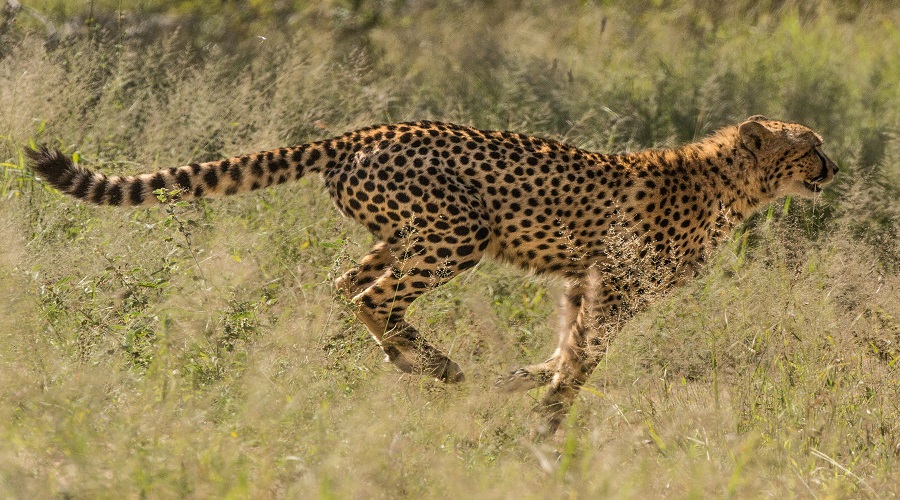
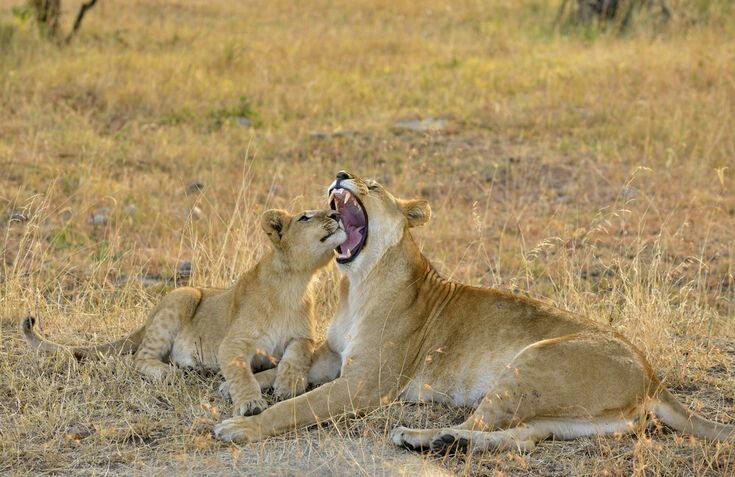
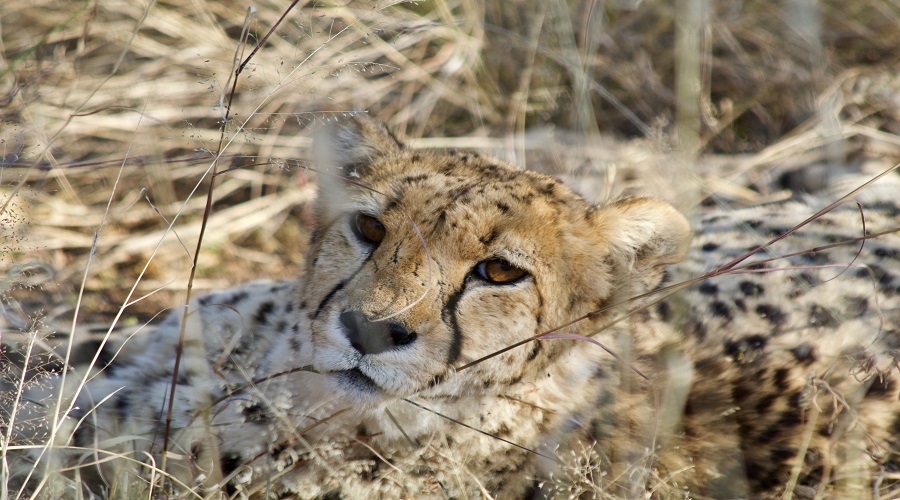
Today the landscape transforms in a way that no photograph fully prepares you for. You ascend from the Rift Valley floor through highland forest to the rim of the Ngorongoro Crater — your first view of the caldera stops the vehicle instinctively. Six hundred metres below, the crater floor spreads out like a living map: grassland, forest patches, a flamingo lake, and the barely visible movement of thousands of animals. You are not descending today — the crater descent is reserved for Day 7 when you can give it the full morning it deserves — but the rim crossing is a moment of genuine awe. Beyond Ngorongoro, the road descends westward and the vegetation opens dramatically into the Serengeti ecosystem. The iconic entrance sign at Naabi Hill Gate marks your arrival into one of the world's most famous wildlife arenas. Your guide begins scanning immediately — cheetahs often sit on termite mounds near the gate, and lion prides frequently rest in the open short-grass plains of the park's southern sector. An afternoon game drive along the Seronera Valley circuits sets the tone. Overnight in the Serengeti.
Day 4

Full Day Central Serengeti — Seronera Valley Elevation: 1,500m

Meals: B, L, DSunrise Game DriveFull Day on the Plains
The alarm sounds before first light. This is deliberate — the Serengeti at dawn is a different world from the Serengeti at midday, and every minute of golden-hour light is worth protecting. You depart camp as the sky shifts from black to deep blue to amber, headtorches off, engine low, your guide already on the radio with overnight ranger reports. The Seronera Valley is the wildlife heartland of the central Serengeti — the Seronera River runs through it, drawing predators and prey into a corridor of extraordinary game viewing. Lion prides begin their morning movements, cheetahs climb termite mounds for the first surveillance of the day, and leopards — if you are positioned correctly at dawn — are still visible descending from their overnight kills in the canopy. You carry a full bush picnic to stay on the plains all day, covering the valley circuits and open grassland in the morning and switching to the river systems and kopjes in the afternoon. The kopjes — granite outcrops scattered across the Serengeti plains — are leopard territory, and your guide knows each one by name. By the time the sun drops behind the horizon and the sky fills with colour, you will understand why the Serengeti is considered the greatest wildlife spectacle on earth.
Day 5

Full Day Serengeti — Migration Tracking Elevation: 1,500m

Meals: B, L, DFull Migration DayPredator Focus
Your second full day in the Serengeti is structured entirely around following the Great Wildebeest Migration — the position and behaviour of the herds changes with the month, and your guide's knowledge of the Serengeti's seasonal patterns is your most valuable asset today. Between July and October, the northern Serengeti near the Mara River is where the migration concentrates — crossings happen when thousands of wildebeest plunge into crocodile-filled water in scenes of raw, violent, unforgettable drama. Between December and March, the southern plains near Ndutu host calving season — over 400,000 wildebeest calves born within a six-week window, and every predator in the ecosystem converging on the opportunity. Between April and June, the herds move north through the western corridor and the Grumeti River crossings begin. Whatever month you visit, your guide knows where the herds are, where they are heading, and where to position the vehicle for the best possible encounter. Today you follow them.
Day 6

Full Day Serengeti — Western Corridor or Northern Serengeti Elevation: 1,500m

Meals: B, L, DFull DayFlexible Route
The third and final full day in the Serengeti is the most flexible day of the entire itinerary — and flexibility is its greatest strength. Your guide wakes with a clear plan built on three days of accumulated wildlife intelligence: ranger radio reports, track signs from yesterday's drives, and an intimate knowledge of where the Serengeti's seasonal patterns are producing the best encounters this week. If the migration is concentrated in the western corridor, you head toward the Grumeti River — a narrower, more intimate crossing point than the Mara, where enormous Nile crocodiles wait in dark water for the herds that must cross. If you are visiting during the northern season, the drive toward Lobo and the Sand River delivers a wilder, more remote Serengeti than the central sector — fewer vehicles, bigger skies, and the sense of genuine wilderness. If the central plains are producing exceptional predator activity — a cheetah family with cubs, a leopard with a fresh kill — you stay. The Serengeti rewards patience and knowledge in equal measure, and today you have both.
Day 7

Serengeti to Ngorongoro Crater — Full Descent Elevation: 2,300m (rim) → 1,700m (crater floor)

Meals: B, L, DCrater DescentFull Crater Day
This is the day you have been watching from the rim. After breakfast, you drive east from the Serengeti and re-enter the Ngorongoro Conservation Area, ascending once more through highland forest to the crater rim. But today, you do not stop at the viewpoint — today, you descend. The track down the crater wall is steep, narrow, and dramatic — a 600-metre drop on a single-lane 4x4 route that delivers you onto the crater floor with a sense of arrival unlike anything else in African safari travel. The Ngorongoro Crater is 260 square kilometres of enclosed perfection: an ancient volcanic caldera that has become one of the densest wildlife ecosystems on earth, home to approximately 25,000 large animals in permanent residence. Lion prides are everywhere — the crater's lions are famously large and relaxed around vehicles. Elephant bulls with enormous tusks cross the open grassland. Buffalo herds stretch to the crater wall. Hippos wallow in the Mandela Pool. Flamingos colour Lake Magadi's alkaline shallows pink. And somewhere — your guide's eyes are always working — the black rhino moves through the open grassland. With fewer than 30 individuals remaining in the crater, a rhino sighting here is one of the rarest and most precious wildlife moments in East Africa. A picnic lunch on the crater floor, surrounded by wildlife on every side, is a meal you will remember for the rest of your life. You ascend in the late afternoon and overnight on the crater rim — your final night of the safari.

7 Days Tanzania Safari - Accommodation Standard

Basic / Mid-Range Camping
Sharing Group Style
Clean dome tents, shared bathroom facilities, accompanied by a professional safari chef cooking fresh daily meals.
Budget Choice
🏨
Mid-Range Tented Camps
Comfort Standard
Private tented rooms on raised wooden platforms, ensuite flush toilets, hot showers, and comfortable beds.
Comfort Choice

7 Days Tanzania Safari - Inclusion & Exclusion

What's Included?

Rescue fee (mandatory KINAPA levy)
Lead guide and assistant guide
Porters (3 per trekker, KPAP ethical standard)
Camping equipment (tents, dining tent, toilet tent)
Cook and camp crew

What's Excluded?

International flights
Tanzania visa
High-altitude travel and medical insurance (mandatory)
ersonal gratuities for guide, assistant guide, and porters
Sleeping bag (rental available)

Why Book with Generous African Tours?

🕵️‍♂️
KPAP & Local Experts
Our guides have 10+ years of tracking experience, knowing exactly where the wildlife migrates and how to escape the crowds.
🚙
Custom 4x4 Vehicles
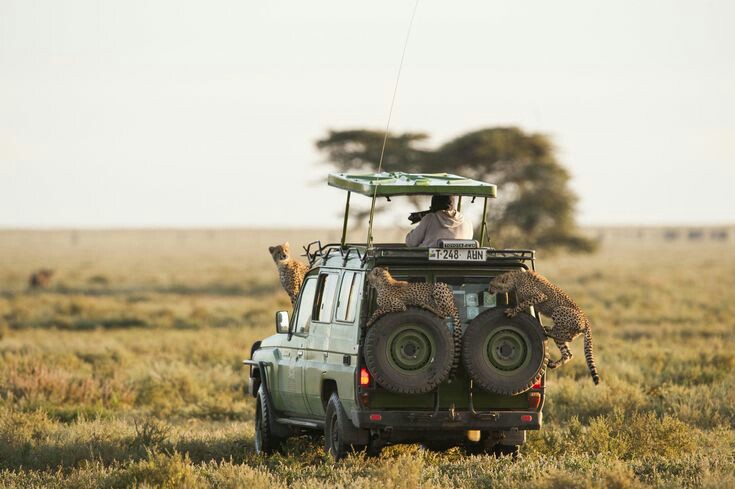
Travel in safety with custom-modified Toyota Land Cruisers featuring charging ports, large windows, and a pop-up roof.
Tailored Hospitality
We handpick clean, high-service safari lodges and luxury camps, ensuring delicious meals and excellent comfort after game drives.

What's Best Time to Visit 7 Days Tanzania Safari?

Tanzania offers year-round wildlife viewing, but dry seasons provide the best road conditions and animal concentration around water sources.

Jan
🌤
Dry Season
Calving
Feb
🌤
Dry Season
Migration
Mar
🌧
Short Rains
Lush
Apr
🌧
Long Rains
Wet
May
🌧
Long Rains
Wet
Jun
Peak Dry
Excellent
Jul
Peak Dry
Excellent
Aug
Peak Dry
Excellent
Sep
Peak Dry
River Cross
Oct
🌤
Dry End
Good
Nov
🌧
Short Rains
Quiet
Dec
Good Season
Festive
Peak season
Good season
Low / rainy season

Frequently Asked Questions

FAQ

What is the best time to go on a Tanzania Safari?

The dry season from June to October is the peak time for wildlife viewing, as animals gather around water sources and the vegetation is thin. This period also offers the best chance to witness the Serengeti Wildebeest Migration.
FAQ

Are your safaris private or group-joining?

We offer both options. Private safaris offer exclusive use of a 4x4 Land Cruiser with a dedicated guide and customizable itinerary. Group-joining safaris allow budget travelers to share a vehicle and costs with fellow adventurers.
FAQ

What is included in the safari price?

Our safari packages typically include all national park fees, concession fees, accommodation as specified, three meals a day, mineral bottled water, a professional English-speaking guide, and unlimited game drives in a 4x4 Land Cruiser.

7 Days Tanzania Safari with Ngorongoro Crater | Northern Circuit | Generous African Tours : Tour Gallery
7 Days Tanzania Safari with Ngorongoro Crater | Northern Circuit | Generous African Tours