 Moshi, Tanzania
 +255 742 596 234
 generoustours@gmail.com





Our Best 5 Days Marangu Route Group Join Kilimanjaro Climb - Overview
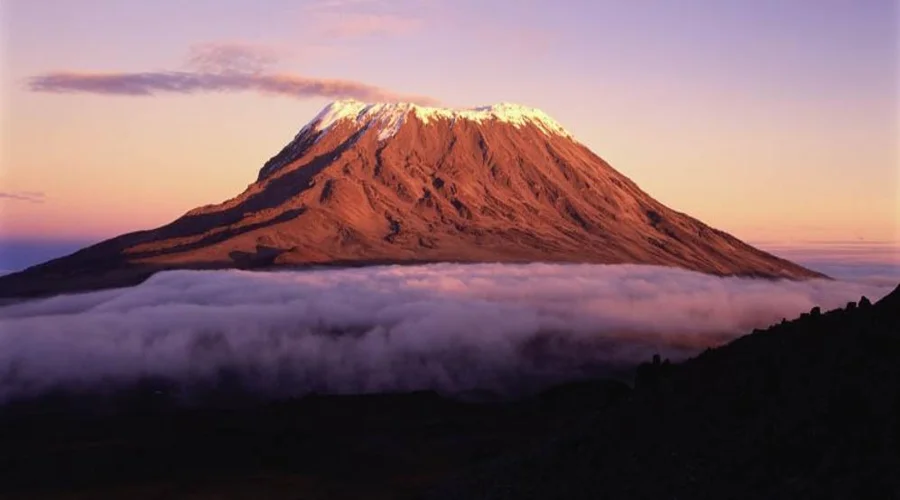
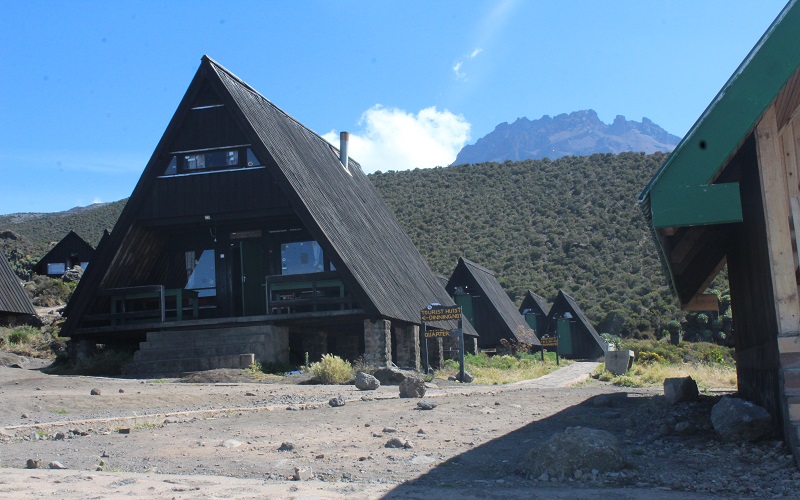
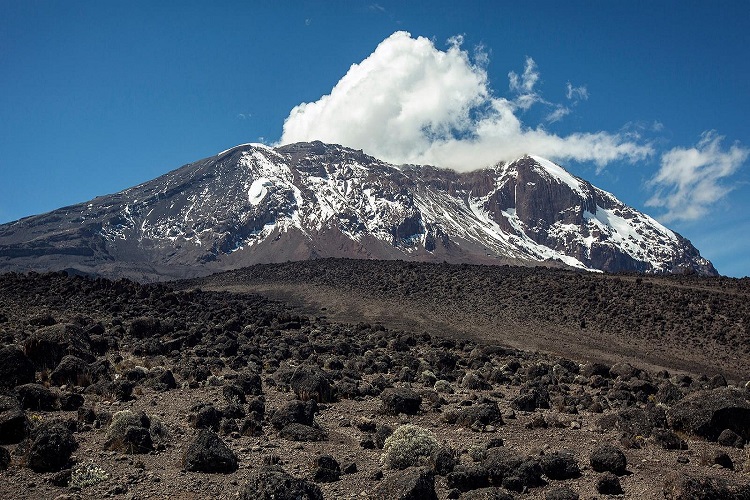
The Marangu Route is Kilimanjaro's oldest and most accessible trail to the summit — nicknamed the Coca-Cola Route for its permanent hut accommodation and well-maintained path to Uhuru Peak at 5,895 metres — and our 5-Day Marangu Route Group Join Climb is the most affordable way to attempt it, placing you in a small shared team of 4 to 8 trekkers from around the world under a KINAPA-certified lead guide who has guided hundreds of climbers to the summit on this exact route. Unlike camping routes, Marangu uses a series of permanent A-frame huts at each camp — Mandara Hut at 2,720m, Horombo Hut at 3,720m, and Kibo Hut at 4,703m — with dormitory-style bunks, basic dining areas, and running water at the lower camps, removing the cost of carrying full camping equipment and making this the most cost-effective Kilimanjaro summit attempt available from Moshi.
Mount Kilimanjaro 5 Days climbing route specifications:
- Duration: 5 Days
- Start & End: Moshi or Arusha, Tanzania
- Accommodation: Permanent mountain huts (dormitory-style)
5 Days Marangu Route Group Join Kilimanjaro Climb - Highlights
5 Days Marangu Route Group Join Kilimanjaro Climb - Short Itinerary
- Day 1: Moshi to Marangu Gate — Marangu Gate to Mandara Hut Elevation: 1,860m → 2,720m
- Day 2: Mandara Hut to Horombo Hut Elevation: 2,720m → 3,720m
- Day 3: Horombo Hut to Kibo Hut Elevation: 3,720m → 4,703m
- Day 4: Summit Night: Kibo Hut to Uhuru Peak — Descent to Horombo Hut Elevation: 4,703m → 5,895m (Uhuru Peak) → 3,720m (Horombo Hut)
- Day 5: Horombo Hut to Marangu Gate — Return to Moshi Elevation: 3,720m → 1,860m
5 Days Marangu Route Group Join Kilimanjaro Climb - Detailed Day-by-Day Itinerary
Moshi to Marangu Gate — Marangu Gate to Mandara Hut Elevation: 1,860m → 2,720m
Moshi Pickup & Drive to Marangu Gate (1,860m). Your group assembles in Moshi for a final pre-climb briefing — your guide introduces the five-day route, altitude safety protocols, gear checks, and the ground rules of the mountain: pole pole pace, hydration targets, and the evening health-check routine. The one-hour drive through Kilimanjaro's coffee and banana farms brings you to Marangu Gate, where permits are confirmed and porter loads are weighed to KPAP standard (max 20kg per porter) before the group sets off.
Marangu Gate to Mandara Hut (2,720m) — Into the Rainforest. The trail climbs immediately into Kilimanjaro's cool, moss-draped montane rainforest along the wide, well-maintained Marangu path, with your guide establishing the deliberately slow pole pole rhythm that will carry the group to the summit. Watch for black-and-white colobus monkeys in the canopy and listen for Hartlaub's turacos as you reach Mandara Hut by early afternoon — a cluster of A-frame huts in a forest clearing with a dining hall and running water. After dinner, your guide conducts the first altitude health assessment (pulse oximeter and symptom check for every member); everyone typically feels well at this altitude, with tomorrow bringing the first real vegetation and altitude change.
Mandara Hut to Horombo Hut Elevation: 2,720m → 3,720m
Mandara Hut to Horombo Hut (3,720m) — Out of the Forest, Into the Moorland. Today the rainforest gives way to Kilimanjaro's dramatic heather and moorland zone, with giant heather plants towering three metres high and old-man's-beard lichen draped in the mist. As the vegetation thins, the group gets its first wide views of the Kibo summit cone and its glaciers — a striking moment that quiets the whole group. Altitude becomes noticeable from mid-morning, with heavier breathing on steeper sections, and your guide maintains the pole pole pace while checking in regularly on headaches, nausea, and breathing.
Horombo Hut — Largest Camp on the Route. Horombo is a proper settlement of A-frame huts on a moorland ridge, with a dining hall, basic warm showers, flush toilets, and sweeping views to the plains below, plus striking views of Mawenzi Peak's jagged silhouette to the east. Over dinner, the highland cold sets in properly for the first time. In the evening altitude check, pulse oximeter readings run lower than Day 1 — normal at 3,720m — and your guide adjusts hydration and pace guidance for each climber before an early lights-out, since rest is the body's most effective acclimatisation tool.
Horombo Hut to Kibo Hut Elevation: 3,720m → 4,703m
Horombo Hut to Kibo Hut (4,703m) — Across the Saddle, Into the Alpine Desert. The moorland gives way to Kilimanjaro's alpine desert zone — bare volcanic rock, sparse tussock grass, and the occasional giant groundsel — as the trail crosses the Saddle, a wide, windswept plateau above 4,000m between Kibo and Mawenzi peaks. Your guide keeps the pace at its slowest here, since altitude effects (mild headache, reduced appetite, occasional nausea) peak most noticeably for the group, and every member is monitored closely and reassured that these are normal, expected symptoms. Kibo Hut (4,703m) appears as a cluster of stone buildings directly below the summit cone, offering basic dormitory bunks and simple meals with no running water.
Summit Night Briefing — Kibo Hut. After an early dinner, your guide delivers the most important briefing of the climb: midnight wake-up time, the full cold-weather layering order (base layer, fleece, down jacket, waterproof shell, balaclava, gloves and mitts, gaiters), water management to prevent freezing, mandatory headtorch battery checks, turnaround protocols, and what the 13–15 hour summit push in extreme cold and altitude will demand physically and mentally. The group sleeps immediately after, ahead of the midnight alarm.
Summit Night: Kibo Hut to Uhuru Peak — Descent to Horombo Hut Elevation: 4,703m → 5,895m (Uhuru Peak) → 3,720m (Horombo Hut)
Midnight — Summit Push to Uhuru Peak (5,895m). The group departs Kibo Hut at midnight in full cold-weather layers, following the same steep zigzag scree path first climbed by Hans Meyer in 1889. Temperatures drop to −10°C to −20°C with wind chill as the guide leads at the slowest pace of the trek, the assistant guide monitoring the group from the rear, with brief standing rest stops every 30–40 minutes for glucose biscuits, chocolate, and ginger sweets. Around 5:30 AM the group reaches Gilman's Point (5,681m) on the crater rim as dawn breaks, revealing the glacier walls and crater floor in a moment many find deeply emotional. From there, a 45-minute rim walk leads to Uhuru Peak (5,895m) around 6:30 AM — the highest point in Africa — for photos at the summit sign before the descent begins.
Descent — Uhuru Peak to Kibo Hut to Horombo Hut. The group retraces the route to Gilman's Point, then descends the scree zigzag back to Kibo Hut in around 90 minutes — a fraction of the six-hour ascent — for a short rest with warm drinks and food. The descent continues through the Saddle and back into the moorland to Horombo Hut (3,720m), with headaches and altitude symptoms clearing rapidly as oxygen levels rise. Dinner and a final night at Horombo close out the longest, hardest, and most rewarding day of the climb.
Horombo Hut to Marangu Gate — Return to Moshi Elevation: 3,720m → 1,860m
Horombo Hut to Marangu Gate — Final Descent. On the last morning, the group retraces the ascent route in reverse, with the moorland opening generous views over the Tanzanian plains and Kilimanjaro's foothills before the trail drops back into the warm, birdsong-filled rainforest. Colobus monkeys are spotted again in the canopy, indifferent to the fact that these same climbers have just summited at 5,895m and returned.
Marangu Gate — Summit Certificates & Farewell. The group arrives at Marangu Gate in the early afternoon, where KINAPA summit certificates — already prepared via the guide's radio call to the park ranger network — are presented individually to each climber as official, dated proof of reaching Uhuru Peak. A gratuity ceremony follows for the porters and guides who supported the climb, before the vehicle transfers the group back to Moshi for hotel drop-off, a hot shower, and the close of five extraordinary days on Africa's highest mountain.
5 Days Marangu Route Group Join Kilimanjaro Climb - Accommodation Standard
5 Days Marangu Route Group Join Kilimanjaro Climb - Inclusion & Exclusion
What's Included?
What's Excluded?
Why Book with Generous African Tours?
What's Best Time to Visit 5 Days Marangu Route Group Join Kilimanjaro Climb?
The best time to climb Mount Kilimanjaro is during the dry months of January-March and June-October, when the weather is stable with less rain.
Clear
Clear
Wet
Wet
Wet
Excellent
Excellent
Excellent
Excellent
Good
Quiet
Festive
Frequently Asked Questions
What is the best time to climb Mount Kilimanjaro?
Do I need technical climbing experience for Mount Kilimanjaro?
What mountain gear is provided in the climb package?
5 Days Marangu Route Group Join Kilimanjaro Climb | Affordable Trek | Generous African Tours : Tour Gallery