
 Moshi, Tanzania
 +255 742 596 234
 generoustours43@gmail.com






Ask most people to name a Tanzania safari park and they'll say Serengeti. Maybe Ngorongoro. That's not wrong — those parks are famous for good reason. But Tanzania has real, functioning national parks that most first-time visitors never hear about, let alone visit. This guide is an honest answer to the question we get asked constantly: is the Serengeti the only place worth going?
Northern Circuit vs. Tanzania's Hidden Parks
| Factor | Northern Circuit (Serengeti/Ngorongoro/Tarangire) | Southern & Western Parks (Ruaha/Nyerere/Katavi/Mahale) |
|---|---|---|
| Access | Drivable from Arusha | Usually requires a domestic flight |
| Crowd Levels | Moderate to high in peak season | Low — some parks see only a handful of vehicles a day |
| Cost per Day | $220-$1,200+ | $350-$1,000+ (flight adds to the cost) |
| Infrastructure | Well developed, many camp options | Sparse — fewer, more exclusive camps |
| Best For | First-time visitors, the migration, efficient short trips | Repeat visitors, photographers, travelers who want solitude |
Ruaha National Park
Tanzania's largest national park, and one of Africa's least-visited parks relative to its size. Ruaha sits where southern and eastern African wildlife ranges overlap, producing an unusual species mix in one place.
Fewer vehicles per sighting than the Serengeti; requires a flight from Dar es Salaam or Arusha.
Hot and dry Jun-Oct; wetter and greener Dec-Apr.
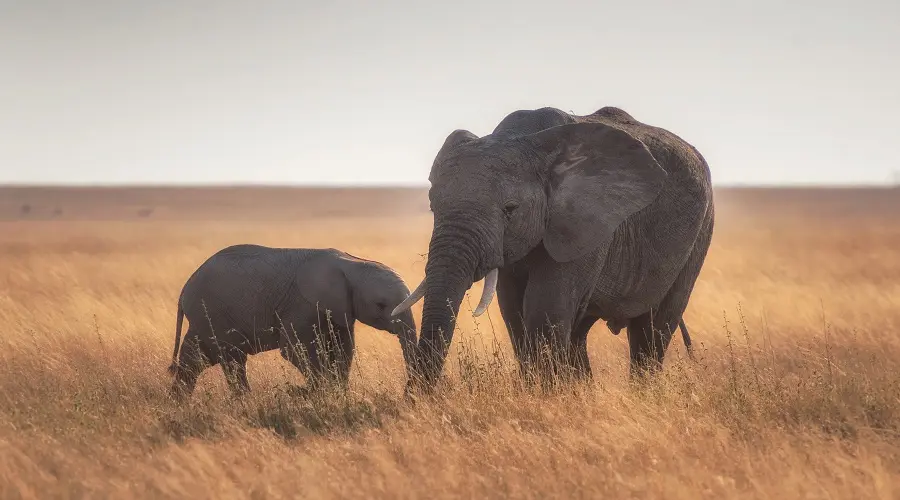
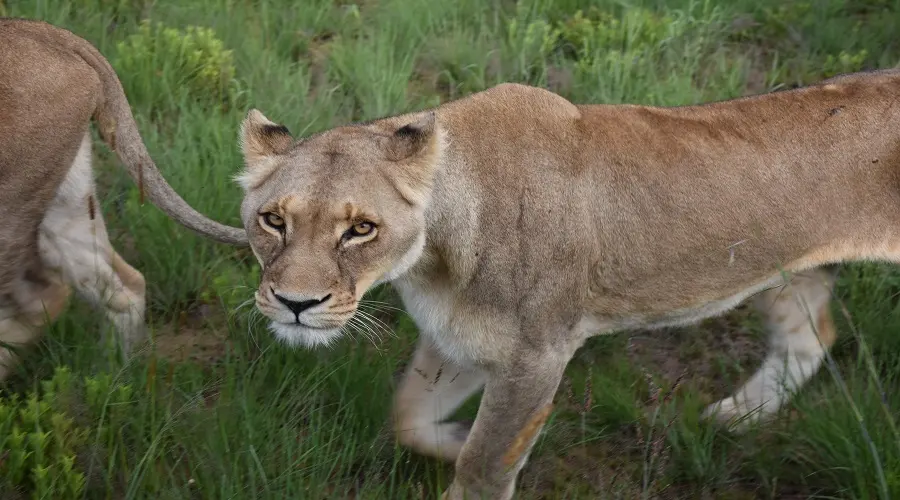
Large lion prides, one of Africa's biggest elephant populations, wild dog sightings.
Game drives, walking safaris, river-side sightings along the Great Ruaha River.
Well managed but remote — evacuation logistics matter more here than on the northern circuit.
Camp-cooked meals, often featuring fresh produce flown or driven in given the remote location.
Nyerere National Park (formerly Selous Game Reserve)
Africa's largest protected wilderness area by some measures, Nyerere is known for boat safaris along the Rufiji River in addition to standard game drives — a genuinely different way to see wildlife.
Closer to Dar es Salaam than the northern circuit; often paired with Zanzibar instead of Arusha-based trips.
Hot year-round; driest and coolest Jun-Oct.
Large hippo and crocodile populations, wild dog, elephant, and strong bird diversity along the river.
Boat safaris, walking safaris, standard game drives.
Boat safaris require attentive guiding around hippo and crocodile zones; otherwise well established for tourism.
River-camp dining, often with a Swahili coastal influence given proximity to Dar es Salaam.
Katavi National Park
One of Tanzania's most remote parks, Katavi sees a fraction of the visitors that the Serengeti does. In the dry season, its shrinking rivers and pools concentrate wildlife dramatically, including some of Africa's largest hippo congregations.
Among the least-visited major parks in East Africa; multiple flight connections required.
Dramatic seasonal shift — lush and wet Nov-Apr, dry and dusty Jun-Oct.
Massive dry-season hippo pools, large buffalo herds, healthy lion and crocodile populations.
Game drives, walking safaris, seasonal fly-camping.
Remote by design — trips here require an operator with strong logistics and evacuation planning.
Small-camp dining, limited but high-quality given the isolation.
Mahale Mountains National Park
Reached only by boat across Lake Tanganyika or a small aircraft, Mahale offers chimpanzee trekking in a genuinely wild forest setting — Tanzania's answer to Uganda and Rwanda's primate trekking, in a lakeside location unlike anywhere else in the country.
Tanzania's only major chimpanzee trekking destination; effectively a standalone trip, not a northern circuit add-on.
Humid, forested; drier and easier for trekking May-Oct.
Wild chimpanzees, plus lakeside birdlife and fish species unique to Lake Tanganyika.
Chimpanzee trekking, lake swimming and snorkeling, forest walks.
Trekking involves real forest hiking; guided closely due to the terrain and wildlife proximity.
Lakeside camp dining, often featuring fresh Lake Tanganyika fish.
Saadani National Park
Tanzania's only park where you can genuinely combine a beach and a bush safari in the same short trip — Saadani sits directly on the Indian Ocean coast, a short distance from Zanzibar.
Lower wildlife density than the Serengeti, but unmatched for combining beach and safari in one stop.
Warm, coastal, humid year-round; driest Jun-Oct.
Lion, giraffe, and occasionally elephant, alongside coastal birdlife and nesting sea turtles.
Game drives, boat safaris on the Wami River, beach relaxation, all in one location.
Well established given its proximity to Dar es Salaam; standard coastal precautions apply.
Coastal Swahili cuisine, fresh seafood alongside standard camp dining.
Udzungwa Mountains National Park
Not a wildlife-viewing park in the traditional sense — Udzungwa is for hikers. Dense forest trails lead to waterfalls and viewpoints, with primates (including rare, localized species) more often heard than seen.
A hiking destination, not a game-drive park — genuinely different from anything on the northern circuit.
Cooler, wetter mountain forest climate; best hiking conditions Jun-Oct.
Rare primates and birds found nowhere else in Tanzania, though sightings require patience.
Waterfall hikes, forest trekking, birdwatching.
Standard hiking precautions — sturdy footwear and a guide are essential on steeper trails.
Simple mountain lodge dining, often locally grown produce from the surrounding highlands.
Off-the-Beaten-Path Without Leaving the North
You don't have to fly south to find quieter Tanzania. Lake Natron's flamingo colonies and volcanic landscape, the Empakaai Crater's steep hiking trail, the ancient Engaruka ruins, and the Usambara Mountains near Moshi all sit within reach of the standard northern circuit route, offering a genuinely different experience without the flight and cost of the deep south.
Should You Skip the Serengeti?
No — that's not the honest recommendation, and we wouldn't make it just to sound contrarian. The Serengeti's wildlife density and the migration are real, and most first-time visitors get more value from a northern circuit trip than a southern one. The honest recommendation is this: if it's your first Tanzania trip, go north. If you've already done that, or specifically want fewer vehicles, chimpanzee trekking, or a beach-and-bush combination in one stop, the parks in this guide are where to look next.
Next Step
Interested in a southern or western circuit extension? These routes need more custom planning than a standard package — start with our Custom Tailor-Made Safari page, or contact us directly to talk through logistics and flight connections.
Watch the Adventure
Photo Gallery



Tour Location & Route Map
Activities Included

Best Time to Visit
| Month | Season | Highlights | Status |
|---|---|---|---|
| Jun-Oct | Ruaha | Dry season concentrates wildlife along the river | Best |
| Jun-Oct | Nyerere | Driest, coolest conditions for boat and game drives | Best |
| June – October | Katavi | Shrinking pools create dramatic dry-season sightings | Best |
| Mar-Oct | Mahale | Drier trails make chimp trekking easier | Best |
| Jun-Oct | Saadani | Driest coastal conditions | Best |
| Jun-Oct | Udzungwa | Best hiking conditions in the mountain forest | Best |
Pricing & Packages
- ccess to genuinely low-crowd parks
- Domestic flight connections required
- Fair-wage crew standard
- En-suite accommodation in remote settings
- Private vehicle and guide
- Fair-wage crew standard
- Exclusive, low-density properties
- Specialized activities (boat safari, chimp trekking)
- Fair-wage crew standard
Pros
- Genuinely low crowd density compared to the northern circuit
- Unique experiences unavailable elsewhere (chimp trekking, beach-and-bush, mountain hiking)
- Strong option for repeat visitors wanting something different
- Not the recommended starting point for most first-time visitors
Cons
- Higher cost per day once flights are factored in
- Less developed tourism infrastructure than the Serengeti/Ngorongoro area
Who Is This For?
Repeat Tanzania visitors, independent-minded travelers wary of crowds, and anyone specifically wanting chimpanzee trekking, a beach-and-bush combination, or mountain hiking alongside their trip.
When to Go
June through October is the strongest window across nearly all of these parks, offering drier conditions for game drives, trekking, and hiking alike.
How Much?
Expect $350-$1,000+ per person per day once domestic flights are factored in, higher than the equivalent northern circuit tier due to remoteness and smaller camp economics.
How to Book Your Safari
Frequently Asked Questions




Plan Your Tanzania Trip
Ask Us About Tanzania's Southern & Western Circuits