Moshi, Tanzania
-
 +255 742 596 234
  generoustours43@gmail.com





 Moshi, Tanzania +255 742 596 234 generoustours43@gmail.com
Take a stroll through Stone Town's narrow streets, visit historic landmarks, and dive into the cultural heritage of Zanzibar with this guided walking tour highlighting the area's architectural beauty.
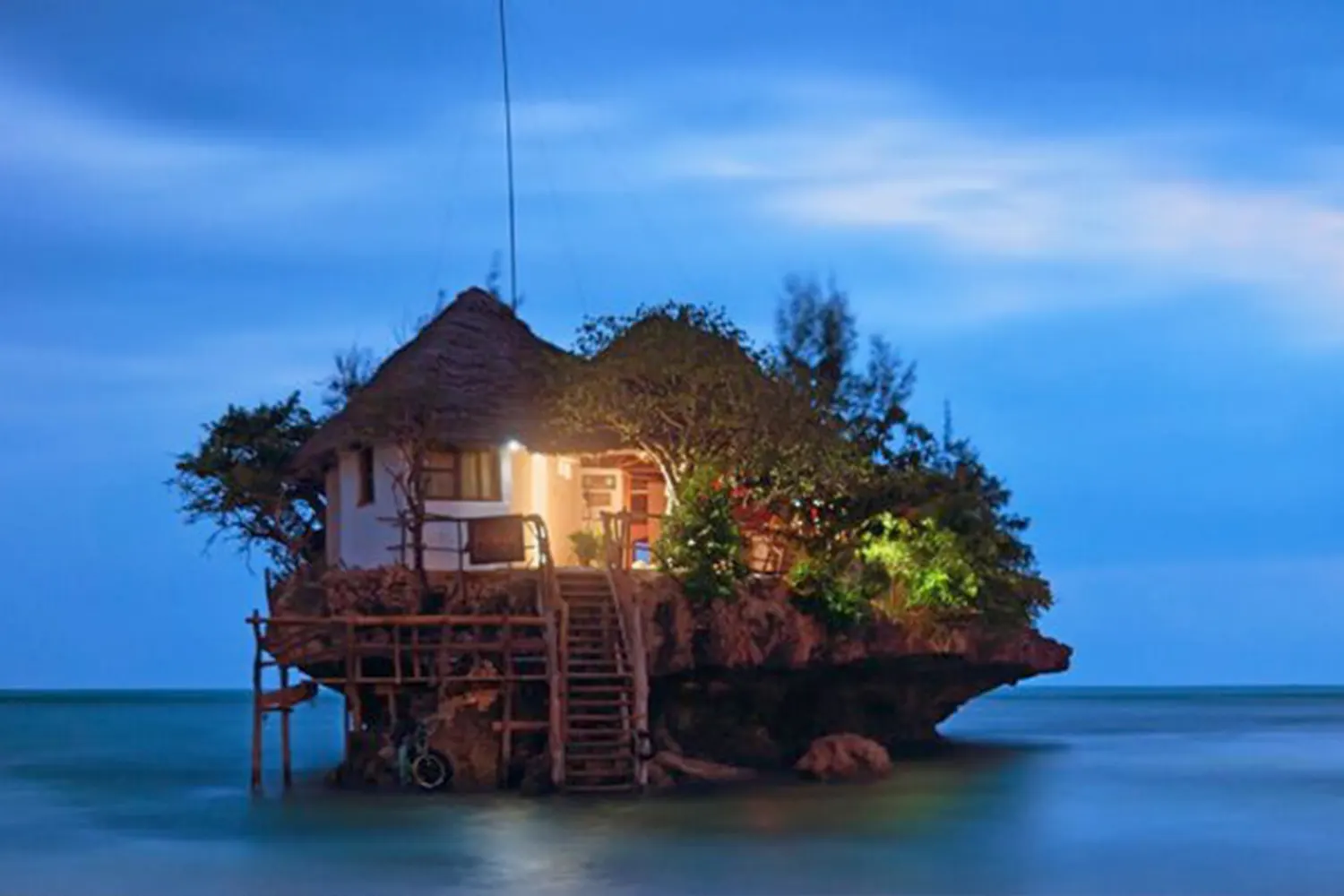
Join the Stone Town walking tour to learn about Zanzibar's rich history and culture.
Stone Town is a UNESCO World Heritage Site known for its rich history, narrow alleys, and stunning architecture. This walking tour takes you through its bustling streets, showcasing cultural landmarks, ancient buildings, and local markets that reflect Zanzibar's diverse influences.
Begin your journey by meeting your guide at a designated location in Stone Town. Start with a visit to the House of Wonders (Beit-al-Ajaib), the tallest building in Stone Town, which offers stunning views and insight into the island’s cultural heritage. Walk through the narrow streets and visit the Old Fort (Ngome Kongwe), built in the late 17th century, which once served as a defense against colonial powers. The day will also include a visit to the picturesque Forodhani Gardens, a lovely spot to take in the local atmosphere and enjoy views of the waterfront.
The second day of the tour takes you deeper into the heart of Stone Town’s historical landmarks. Visit the Anglican Cathedral, which was built on the site of the former slave market, a poignant reminder of the island’s history. Walk through the old slave chambers and learn about Zanzibar’s dark past in the Slave Chambers museum. Continue your journey through the winding alleys to reach the famous Zanzibar Spice Tour stop, where you'll learn about the island's role in the global spice trade, with a chance to sample a variety of spices and fruits grown on the island. The day will also include stops at local bazaars where you can shop for handmade crafts, textiles, and souvenirs.
On the final day, start with a visit to the charming Darajani Market, where you can explore the local food scene, from fresh fish to exotic fruits. Then, head towards the Kidichi Persian Baths, an old bathhouse built by the Sultan for his Persian wife. Afterward, visit the Livingstone House, a historical site that commemorates the famous explorer’s connection to Zanzibar. End the tour at the vibrant spice markets or the vibrant street markets, offering a variety of local crafts, souvenirs, and spices. The tour concludes with a relaxing afternoon at one of the local cafes where you can sample Zanzibari coffee or enjoy traditional Swahili dishes.
Make sure to stay hydrated, as Stone Town can be hot and humid throughout the year. It's a good idea to bring a refillable water bottle. Always be mindful of the uneven surfaces on the walking paths, and wear sturdy, comfortable shoes suitable for walking for extended periods of time. Additionally, while the streets are generally safe, be cautious of your belongings in crowded areas like markets or during busier times of the day.
Stone Town is a conservative area, so it's important to dress modestly when walking around. Light and breathable fabrics are ideal for the tropical climate, but make sure to cover your shoulders and knees out of respect for the local culture. You may also want to bring a light jacket or sweater for cooler evenings, as temperatures can drop slightly at night.
The walking tour is guided by a knowledgeable local who will share insights into the island's history, architecture, and culture. It’s always a good idea to ask questions during the tour, as guides are often happy to share additional details and local anecdotes. While the tour is designed to be relaxing, the walking pace can be slow and steady, allowing for a deeper connection with the surroundings.
Stone Town’s streets are often narrow, uneven, and made of cobblestones, which can be challenging for individuals with mobility impairments. It’s advisable to check the accessibility of the tour in advance and ensure that the route can accommodate wheelchairs or other mobility devices, depending on individual needs.
When taking photographs, always ask for permission if you wish to capture images of local people or inside private establishments. In some places, such as religious sites or certain markets, photography may be restricted. Respecting local customs and asking before taking pictures is always appreciated.
While many shops and restaurants in Stone Town accept credit cards, it’s advisable to carry local currency (Tanzanian Shillings) for smaller purchases, especially in markets or more remote areas. ATMs are available in Stone Town, but it’s wise to have cash on hand for tips or souvenirs.
The primary language spoken in Stone Town is Swahili, but most guides and locals in tourist areas speak English. Learning a few basic Swahili phrases like "Jambo" (hello) and "Asante" (thank you) can go a long way in making your visit more engaging and appreciated by the locals.
Stone Town’s tour schedule typically starts in the morning around 9:00 AM, but exact timings may vary depending on the season or availability. The morning is ideal for avoiding the heat and crowds, giving you a more comfortable experience. Plan to spend a few hours exploring, with breaks at historical sites or cafes.

Serengeti National Park

Ngorongoro Crater

Lake Manyara

Tarangire National Park