Moshi, Tanzania
-
 +255 742 596 234
  generoustours43@gmail.com





 Moshi, Tanzania +255 742 596 234 generoustours43@gmail.com
Take your corporate team on an exciting Kilimanjaro adventure. Enjoy team-building through shared challenges, and gain lasting memories from the trek while reaching the summit together.
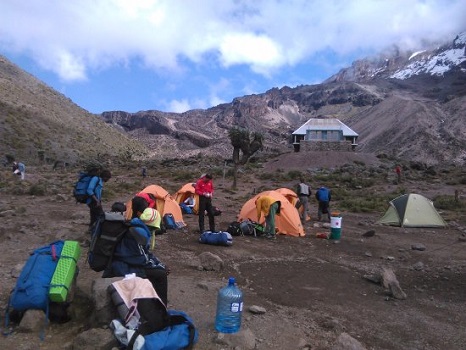
Join a corporate group for a challenging and rewarding Kilimanjaro adventure.
Kilimanjaro trekking for corporate groups offers a unique opportunity for team-building, leadership development, and personal achievement. With guided tours, customized itineraries, and supportive staff, your team will conquer the mountain together and strengthen workplace bonds.
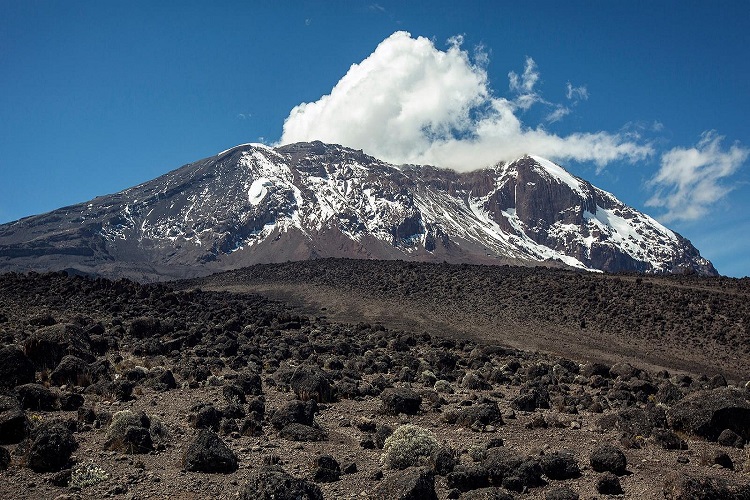
Mount Kilimanjaro, Africa’s highest peak, provides a challenging yet rewarding adventure perfect for corporate teams. It’s not just about reaching the summit—it’s an opportunity to bond, push personal limits, and learn valuable leadership skills in an inspiring setting.
Corporate trekking tours on Kilimanjaro promote teamwork, problem-solving, and leadership development. The physical challenge helps to build resilience, while the shared experience fosters collaboration and trust among colleagues, making it an ideal team-building activity.
The Machame, Marangu, and Lemosho routes are popular choices for corporate groups. These routes offer varying levels of difficulty and scenic views, making them perfect for a diverse group with different fitness levels. Each route provides a unique trekking experience.
The best times for group trekking are during Tanzania’s dry seasons, from June to October and December to February. These months offer clear skies and mild temperatures, ensuring a comfortable and safe trek for your group.
Customized trekking packages for corporate groups include everything from permits to professional guides, porters, and accommodation. Packages can be tailored to fit your group’s specific needs, from fitness levels to team-building activities.
Depending on the route chosen, corporate groups have options for both camping and hut accommodations. The Marangu route, known as the "Coca-Cola Route," offers hut accommodation, while other routes typically feature tented camps, providing a more rugged experience.
Inclusions in a corporate trekking package usually consist of park fees, professional guides, porters, meals, and safety equipment. The value of the experience goes beyond the summit; it fosters stronger team dynamics, leadership, and personal growth.
“Our team’s Kilimanjaro trek was transformative. The challenge brought us closer, and the success of reaching the summit created a shared sense of accomplishment that continues to influence our daily work.” – Corporate Group Client
Booking is easy—contact a reputable trekking operator, select your route, and customize your itinerary based on the group's preferences. Ensure the operator offers experienced guides and provides support throughout the trek for a smooth, safe adventure.
Before embarking on the trek, participants should undergo medical checks, prepare with proper gear, and be mentally and physically ready for the challenge. Safety protocols, such as acclimatization days, are essential to ensure the well-being of the team.
The best times for corporate groups to trek Kilimanjaro are during the dry seasons, from June to October and December to February. These months provide clear skies, stable weather, and better trekking conditions for the group.
The trek typically takes between 5 and 9 days, depending on the chosen route and the group’s acclimatization needs. Longer treks allow for better acclimatization, reducing the risk of altitude sickness and enhancing the overall experience.
Altitude sickness is a potential risk when trekking Kilimanjaro. To mitigate this, the itinerary should include rest days for acclimatization, and climbers should ascend gradually. Proper hydration, nutrition, and listening to the body’s signals are key to avoiding altitude issues.
Yes, many trekking companies offer team-building activities during the trek, such as group problem-solving tasks and leadership exercises. These activities enhance the experience and help strengthen teamwork while on the mountain.
No, porters are typically employed to carry the majority of the group's gear. However, each participant should carry their own daypack with essentials such as water, snacks, a jacket, and camera. The trekking operator will provide details on what is necessary to bring.
Yes, meals are included in the trekking package. Meals are typically provided by the trekking operator and include a variety of nutritious foods to keep energy levels high during the trek. Special dietary requirements can often be accommodated with prior notice.
Preparation should include physical training, such as hiking and cardiovascular exercises, as well as research on the trekking routes. It’s also important to ensure that all necessary gear is ready, and participants are familiar with the basics of altitude and mountain trekking.
Professional guides, porters, and cooks provide essential support throughout the trek. Guides ensure safety, help with navigation, and assist with acclimatization. Porters carry gear, and cooks prepare meals, ensuring the group is well taken care of at all times.
Yes, trekkers are encouraged to respect the mountain’s environment by minimizing waste, using eco-friendly products, and adhering to local conservation guidelines. Choosing a responsible trekking operator that supports sustainable practices is key to preserving Kilimanjaro’s beauty.
In the event of illness or injury, the trekking guides are trained in basic first aid and will assist as necessary. If serious medical attention is required, the group will be evacuated to a nearby facility or hospital. The safety of the group is always a top priority.
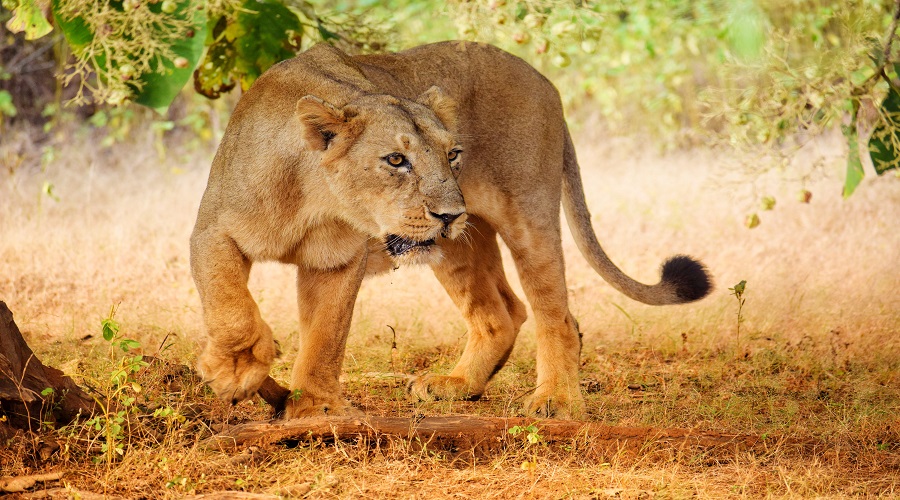
Serengeti National Park

Ngorongoro Crater
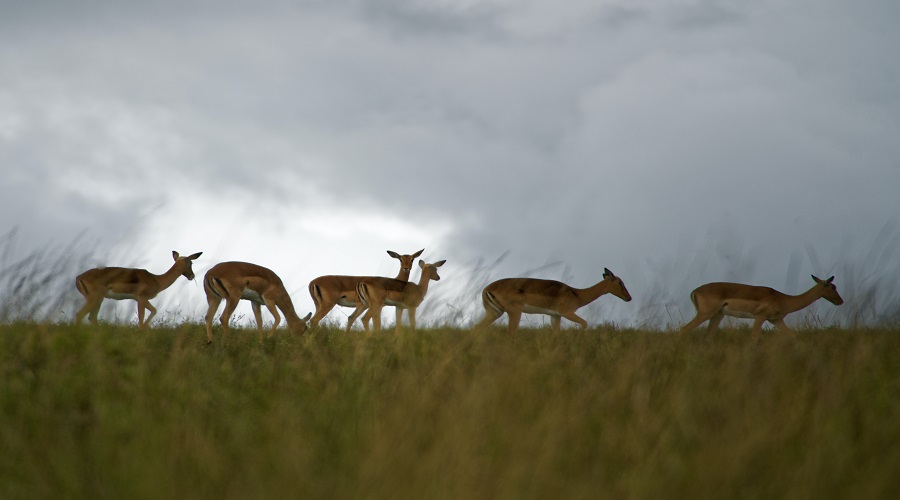
Lake Manyara
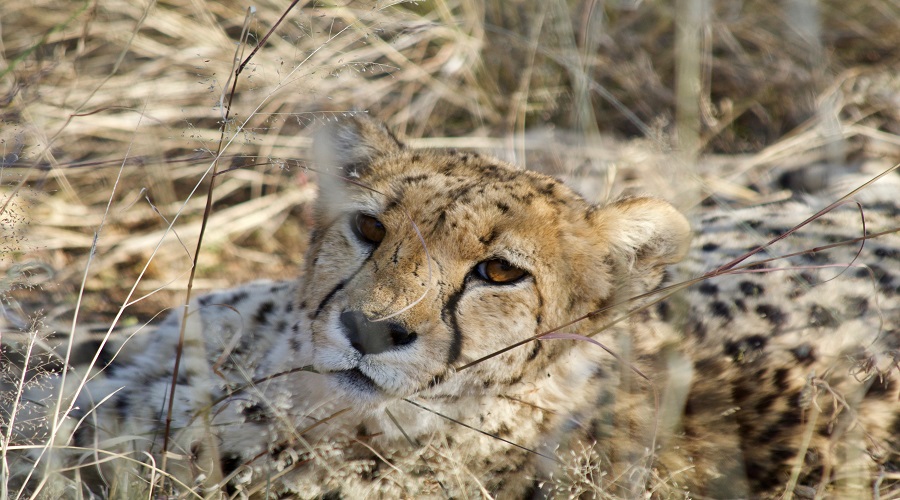
Tarangire National Park