Moshi, Tanzania
-
 +255 742 596 234
  generoustours43@gmail.com





 Moshi, Tanzania +255 742 596 234 generoustours43@gmail.com
Plan your 2024 Kilimanjaro trek with the best route options, expert guidance, and tips for an unforgettable climb on Africa’s highest peak.
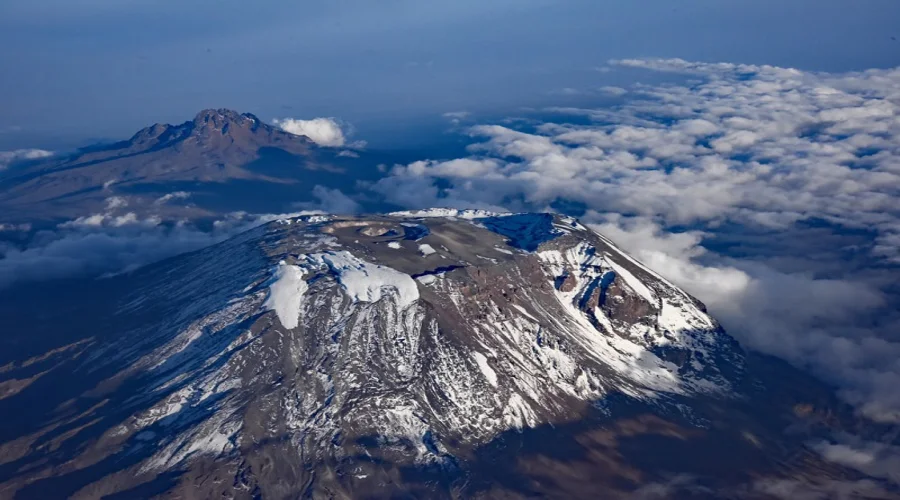
Find the top Kilimanjaro trekking routes for 2024.
Whether you’re aiming to conquer Kilimanjaro’s summit or soak in its scenic trails, choosing the right route is essential. This guide highlights the top trekking routes, best travel times, and accommodation options for a successful 2024 Kilimanjaro trek.
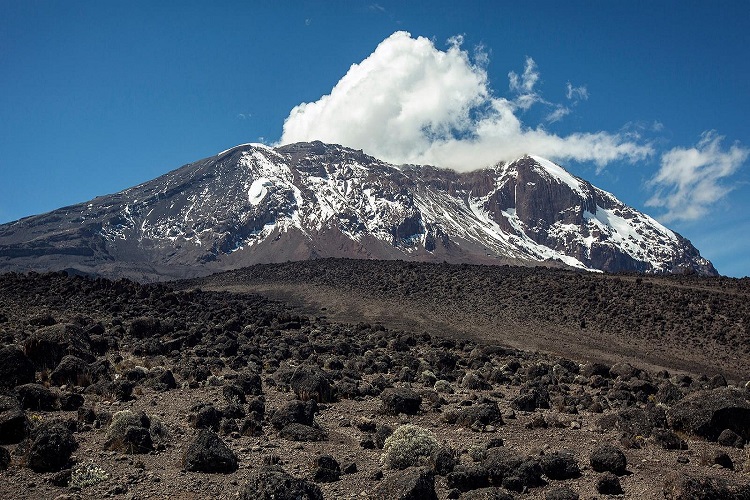
Kilimanjaro, the highest mountain in Africa, offers multiple trekking routes, each with unique landscapes and difficulty levels. This guide will help you select the ideal itinerary for 2024, whether you’re a seasoned hiker or a first-time climber.
Kilimanjaro offers unmatched trekking experiences, with diverse ecosystems and breathtaking views. Reaching the Uhuru Peak is a feat many dream of. Here’s why 2024 is a great year to fulfill this ambition.
Machame Route: Known for scenic beauty and moderate challenge.
Marangu Route: Popular for its hut accommodations.
Lemosho Route: Less crowded, offering high success rates.
Rongai Route: The only northern route, great for dry-season treks.
Northern Circuit: Longest route, but excellent for acclimatization.
The optimal trekking seasons are January-March and June-October. These months have favorable weather, ensuring safer and more enjoyable climbs.
Choose from 5 to 10-day itineraries that balance challenging climbs with adequate rest for acclimatization, enhancing your summit success rate.
While on the mountain, trekkers stay in tents or huts, depending on the route. Local operators provide quality camping gear to ensure comfort throughout your journey.
Packages generally include park fees, camping equipment, meals, professional guides, porters, and round-trip transfers from nearby cities.
Hear from trekkers who’ve successfully summited Kilimanjaro. Their stories offer insights into the physical and emotional journey of reaching Africa’s highest point.
Booking early ensures your preferred dates and route availability. Contact a reputable tour operator to handle permits, accommodations, and detailed planning.
Yes, it is generally safe to climb Kilimanjaro with a reputable tour operator. They provide trained guides who monitor your health, ensuring safe acclimatization. Follow their instructions closely for a safer experience.
Success rates vary by route, with longer routes like the Lemosho and Northern Circuit having the highest rates due to better acclimatization. Success can range from 65% to 90% depending on the route and acclimatization time.
No, Kilimanjaro is a non-technical climb, meaning no special mountaineering skills are needed. However, physical fitness, endurance, and proper acclimatization are essential for reaching the summit.
Altitude sickness is common due to Kilimanjaro's high altitude. Symptoms can include headaches and nausea. Choose a longer itinerary for better acclimatization, and follow your guide’s advice on pacing and hydration.
Good physical fitness is essential for climbing Kilimanjaro. Preparing with aerobic exercises, hiking, and strength training will improve your chances of reaching the summit comfortably.
Temperatures can range from warm at the base to below freezing at the summit, especially at night. Proper layering is crucial to stay warm, especially as you near Uhuru Peak.
Porters typically carry up to 15 kg (33 lbs) of gear for each trekker. You’ll need to keep any additional items in a small daypack for essentials like water, snacks, and layers.
Yes, tipping is customary and a significant source of income for guides, porters, and cooks. Budget approximately $200 to $300 per trekker for tipping.
Some campsites have basic toilet facilities, but many trekkers prefer private portable toilets offered by tour operators for improved sanitation and comfort.
Yes, travel insurance covering high-altitude trekking is strongly recommended. It should include coverage for potential medical issues, altitude sickness, and emergency evacuation.
There are no charging facilities on the mountain. Bring portable power banks or solar chargers to keep devices like cameras and phones powered during the trek.
Tour operators provide nutritious meals, often including carbs, proteins, fruits, and vegetables to sustain energy levels. Diets can be tailored for dietary restrictions if arranged in advance.
Most visitors need a tourist visa to enter Tanzania. Check your country’s requirements, and apply for a visa at your local embassy or online for ease.
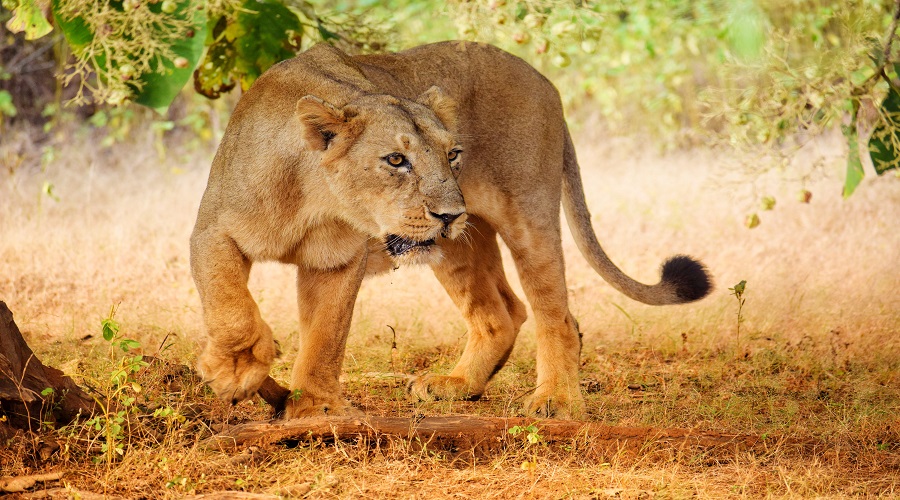
Serengeti National Park

Ngorongoro Crater
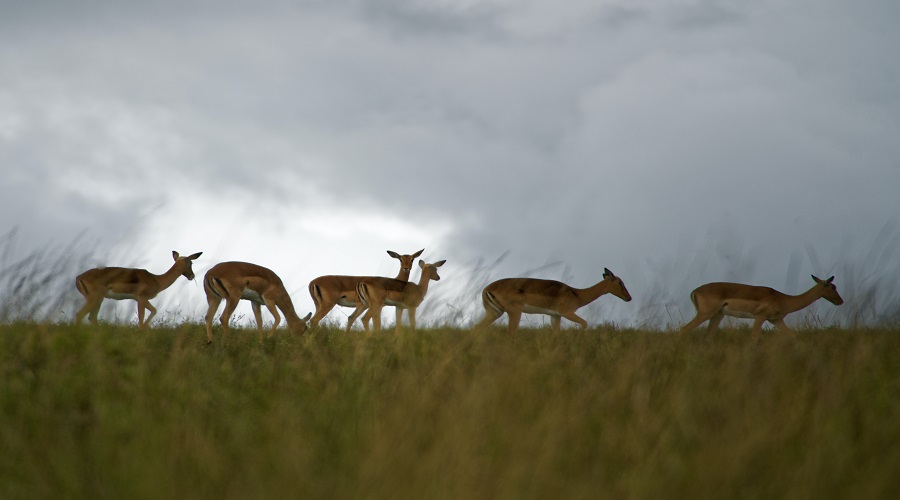
Lake Manyara
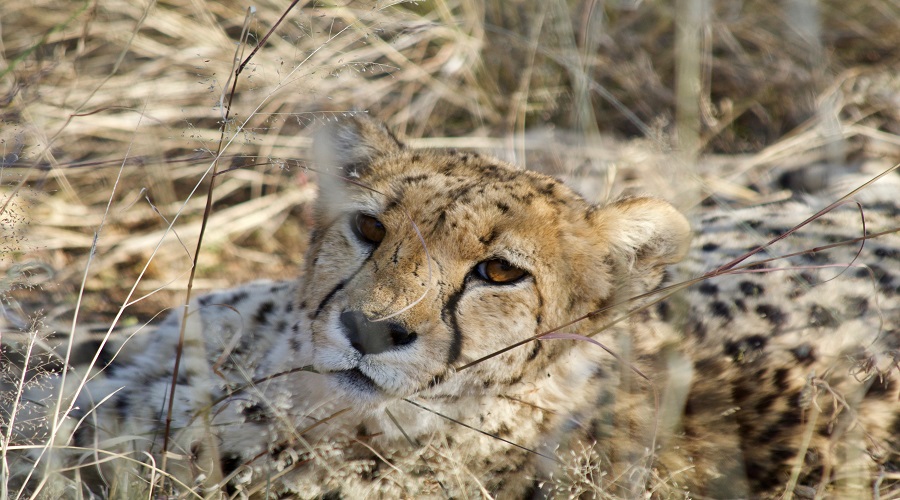
Tarangire National Park