Moshi, Tanzania
-
 +255 742 596 234
  generoustours43@gmail.com





 Moshi, Tanzania +255 742 596 234 generoustours43@gmail.com
Discover the best Kilimanjaro group trekking experiences for 2024. Join guided treks, enjoy group discounts, and explore the stunning beauty of Tanzania iconic mountain with expert guides.
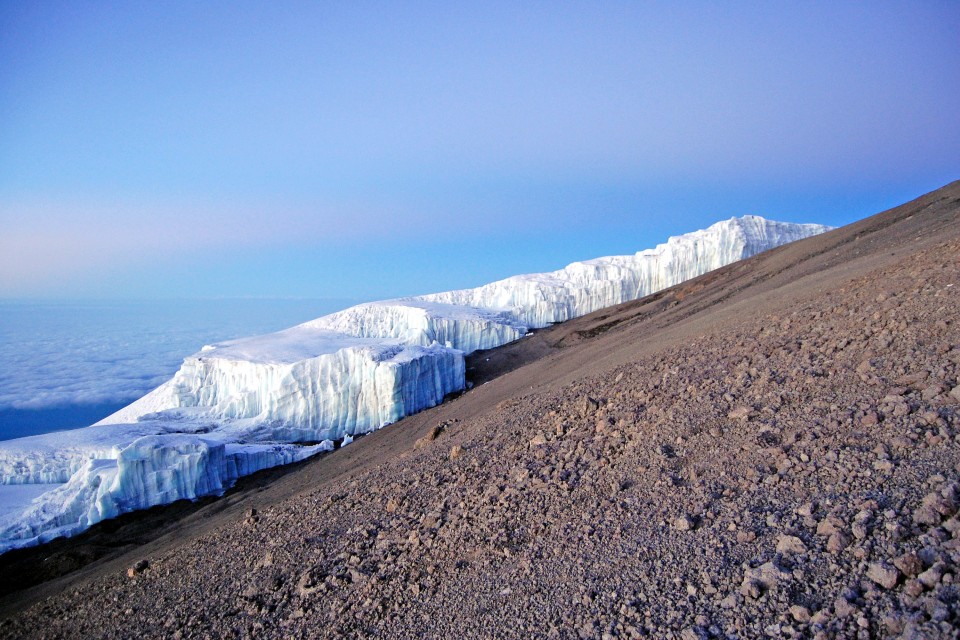
Explore the top Kilimanjaro group trekking experiences for 2024 with affordable options.
Kilimanjaro trekking in 2024 offers a blend of adventure, nature, and camaraderie. Group treks provide an affordable and enriching experience, allowing trekkers to conquer Africa's highest peak while sharing the journey with fellow adventurers.
Kilimanjaro remains one of the most sought-after trekking destinations, and 2024 promises to be the year to embark on this adventure. Group trekking offers not only a chance to climb the mountain but also to bond with others, making it a memorable and affordable experience.
Group trekking on Kilimanjaro is an excellent way to reduce costs while enjoying expert guidance and support. It fosters a sense of community, ensuring safety and motivation throughout the trek. Sharing experiences with fellow trekkers enhances the adventure.
Popular group trekking routes in 2024 include the Marangu, Machame, and Lemosho routes. Each offers distinct experiences, from scenic views to varying levels of difficulty. These routes are well-equipped for group trekkers, with professional guides and support staff to ensure a safe climb.
The ideal months to trek Kilimanjaro in 2024 are from January to March and June to October. These months feature favorable weather conditions, with clear skies and stable temperatures, ensuring an enjoyable and successful trek.
Group trekking packages offer great value, with shared costs for guides, porters, and accommodation. Packages are available for varying durations, ranging from 5 to 9 days, ensuring an option for every group’s preferences and budget.
Accommodation for group trekkers varies, with options ranging from basic campsites to mountain huts. The Marangu route, for instance, offers hut accommodations, while other routes feature tents. All options are equipped to keep trekkers comfortable and prepared for the altitude.
Group trekking packages typically include permits, guides, porters, meals, and camping gear. Additional services, such as oxygen supplies and emergency evacuation options, are often included for higher-value packages, ensuring peace of mind during the trek.
Many trekkers highlight the camaraderie of group trekking as one of the most rewarding aspects. Past clients have shared stories of overcoming challenges together, with some summiting Kilimanjaro in a group setting, making it a deeply satisfying experience.
Booking a group trek to Kilimanjaro is straightforward. Choose from reputable tour operators offering group packages, and ensure that the operator provides experienced guides, porters, and necessary permits. Early booking is recommended to secure your preferred dates and route.
Essential items include sturdy trekking boots, warm clothing, sunscreen, a hat, a water bottle, and a sleeping bag. Group packages often provide camping gear, but trekkers should bring personal items like medication and a camera to capture the journey.
The best route depends on your preferences and fitness level. The Machame and Lemosho routes are popular for their scenic beauty and higher success rates, while the Marangu route is easier for beginners due to its hut accommodations.
The typical group trek to Kilimanjaro lasts between 5 to 9 days, depending on the chosen route. The Machame and Lemosho routes generally take 7-9 days, while the Marangu route can be completed in 5-6 days.
Yes, proper trekking gear is crucial for Kilimanjaro. Essential items include high-quality trekking boots, warm clothing (especially for higher altitudes), a waterproof jacket, sleeping bag, and headlamp. Many tour operators provide some equipment, but personal items should be brought along.
While prior trekking experience is helpful, it is not required. With proper training and acclimatization, most people can complete the trek. Group treks are ideal for beginners, as guides and support teams are there to assist every step of the way.
The minimum age for climbing Kilimanjaro is typically 10 years old, but this can vary depending on the operator. Some companies may have stricter age restrictions, particularly for high-altitude treks.
In the event of illness or altitude sickness, group guides are trained to manage the situation. Emergency evacuation options are available, and trekkers will be escorted to lower altitudes if necessary to ensure their safety.
Yes, most operators offer the option to book a private trek, though it will be more expensive. A private trek provides a more personalized experience but may lack the camaraderie and cost savings of a group trek.
It’s recommended to get vaccinations for diseases such as Yellow Fever, Hepatitis A and B, and Typhoid before traveling to Tanzania. Check with your healthcare provider for specific recommendations based on your travel itinerary.
Tips for guides and porters are typically not included in the package price. It’s customary to provide a tip at the end of the trek to express gratitude for their services. The amount depends on the level of service but can range from $150 to $250 per trekker for the entire team.
The overall summit success rate is around 65-70%, but this can be higher on certain routes like Lemosho and Machame. Success depends on proper acclimatization, physical fitness, and following your guide's recommendations throughout the trek.
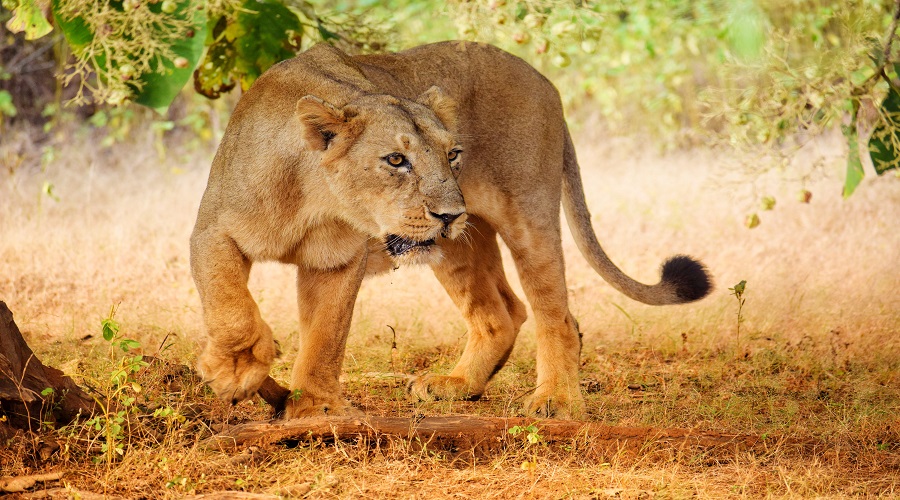
Serengeti National Park

Ngorongoro Crater
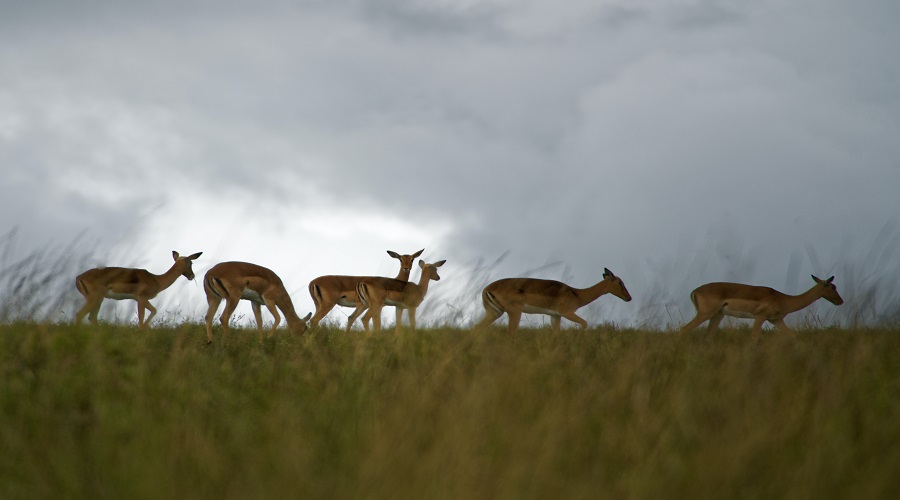
Lake Manyara
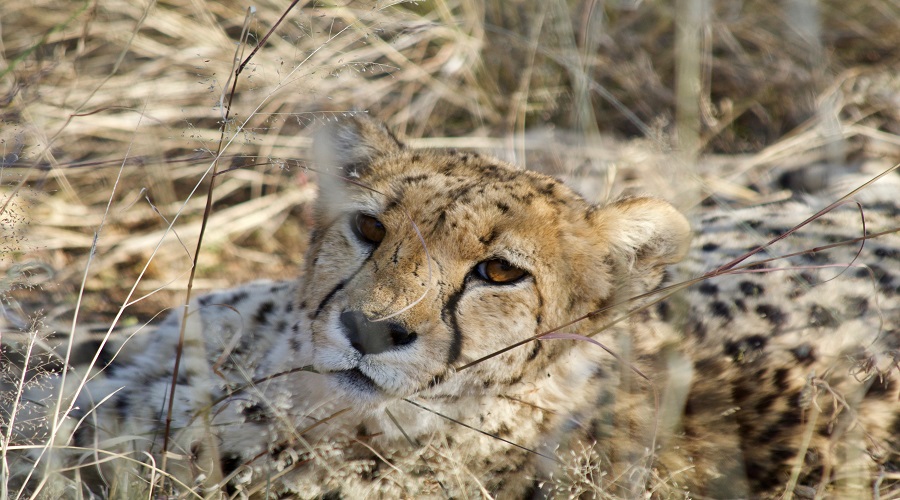
Tarangire National Park