Moshi, Tanzania
-
 +255 742 596 234
  generoustours43@gmail.com





 Moshi, Tanzania +255 742 596 234 generoustours43@gmail.com
Explore Kilimanjaro affordably with group treks, ideal for budget-friendly adventurers. Experience top routes with expert guides, camping options, and group support for a safe, memorable journey.
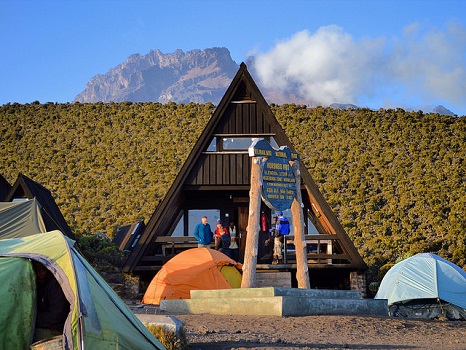
Affordable group treks on Kilimanjaro with expert guides and full support.
Affordable Kilimanjaro group trekking tours provide budget-friendly access to the iconic summit. Group trekking minimizes costs, offers social support, and enhances safety through shared resources and guided assistance. Ideal for adventurers, these treks include top routes, camping accommodations, and professional mountain guides.
Affordable group trekking tours on Kilimanjaro provide an ideal solution for adventurers looking to reach Africa’s highest peak without breaking the bank. These tours blend essential trekking resources, experienced guides, and group camaraderie, making the Kilimanjaro experience accessible to budget-minded travelers.
Group treks on Kilimanjaro are cost-effective as they allow expenses, such as guides, porters, and permits, to be shared. This not only reduces individual costs but also builds a support system that fosters motivation and camaraderie. It’s a great way to meet like-minded trekkers and enjoy a safe, supported climb to the summit.
Popular routes like the Marangu, Machame, and Rongai routes are commonly chosen for group trekking. These routes offer varied experiences, from scenic landscapes to gradual acclimatization, and are well-supported with group campsites and necessary facilities, enhancing accessibility for all skill levels.
The best times to trek Kilimanjaro are during the dry seasons: January to mid-March and June to October. These months offer better weather and trail conditions, increasing the likelihood of a successful and enjoyable ascent. Booking in advance is recommended, especially for group treks during peak season.
Many tour operators offer all-inclusive group trekking packages. These include permits, guide and porter fees, meals, camping equipment, and transportation to and from Kilimanjaro National Park. Group packages often feature different route options and various levels of comfort to suit diverse budgets.
Accommodation for Kilimanjaro treks includes both camping and hut-based stays, depending on the route. The Marangu route offers hut accommodation, while other routes like Machame and Lemosho require tent camping. Each option ensures basic comforts and meets all environmental guidelines for sustainability.
Group trekking packages typically cover essentials: Kilimanjaro park fees, guiding and porter services, meals, camping equipment, and transportation. Additional support services like pre-trek briefings, acclimatization tips, and medical checks add to the value, ensuring trekkers are prepared and well-supported.
“The group trek was amazing! Our guides were fantastic, and trekking with others made the experience so much more enjoyable. We motivated each other, shared stories, and the summit was unforgettable!” - Sarah L.
“A great way to climb Kilimanjaro without spending a fortune. The group setting was perfect, and everything from food to equipment was well-organized. Highly recommended!” - David M.
Booking a group trek is straightforward. Look for certified operators offering Kilimanjaro group tours, review their packages, and check for customer reviews. Most operators offer online booking with various payment options. For best rates and availability, book several months in advance, especially for popular routes and peak seasons.
The Machame route is often considered the best option for affordable group treks due to its scenic beauty, gradual ascent, and the fact that it provides a good balance between cost and comfort. The Marangu route, with its hut accommodations, can also be a cost-effective choice for those seeking a less rustic experience.
A moderate fitness level is recommended, as the trek involves long days of walking at high altitudes. While you don’t need to be an elite athlete, regular cardiovascular exercises such as hiking, walking, or running can help prepare your body for the challenge.
Acclimatization is an essential part of the trek. The group trek will follow a paced itinerary with built-in rest days to help the body adjust. This approach minimizes the risk of altitude sickness, which is crucial when climbing to high altitudes like Kilimanjaro’s summit.
You will need warm clothing (layers are best), waterproof gear, hiking boots, and a good quality sleeping bag. Many operators will provide camping gear, but it’s best to check with your tour provider. Don’t forget essentials like sunscreen, a hat, a water bottle, and a headlamp for night trekking.
The minimum age for climbing Kilimanjaro is typically 10 years old, while the maximum age is around 70, depending on fitness level. Some operators may make exceptions, so it’s best to consult with the tour operator regarding any age-related concerns.
Yes, most tour operators are happy to accommodate dietary restrictions, such as vegetarian, gluten-free, or vegan diets. It’s important to inform your operator of any dietary needs well in advance to ensure proper meal planning.
Group treks typically range from 6 to 8 days, depending on the chosen route. Longer treks allow for better acclimatization and increase the chances of reaching the summit. For example, the Machame route usually takes 7 days, while the Marangu route can be completed in 6 days.
If you can’t make it to the summit due to altitude sickness or any other reason, your safety is the priority. Guides will monitor your health closely, and if necessary, you will be descended to a lower altitude for recovery. It’s essential to listen to your body and inform your guide if you’re feeling unwell.
Yes, travel insurance is highly recommended. It should cover trip cancellations, medical expenses, evacuation, and any trekking-related injuries. Make sure your insurance provider knows that you’ll be trekking at high altitudes.
Meals on Kilimanjaro treks are simple but nutritious, designed to fuel trekkers for the challenging days ahead. Expect a variety of dishes, including stews, rice, pasta, soups, and fruits. Guides will typically prepare hot meals for breakfast, lunch, and dinner, with snacks available throughout the day.
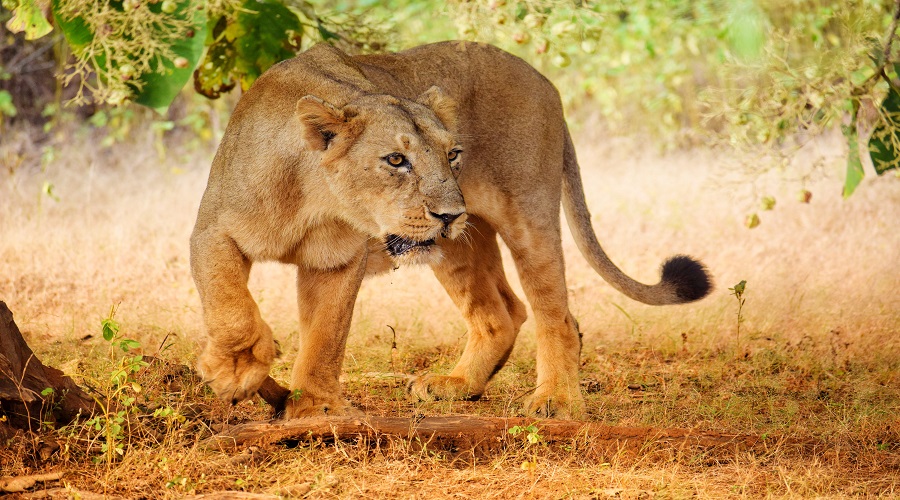
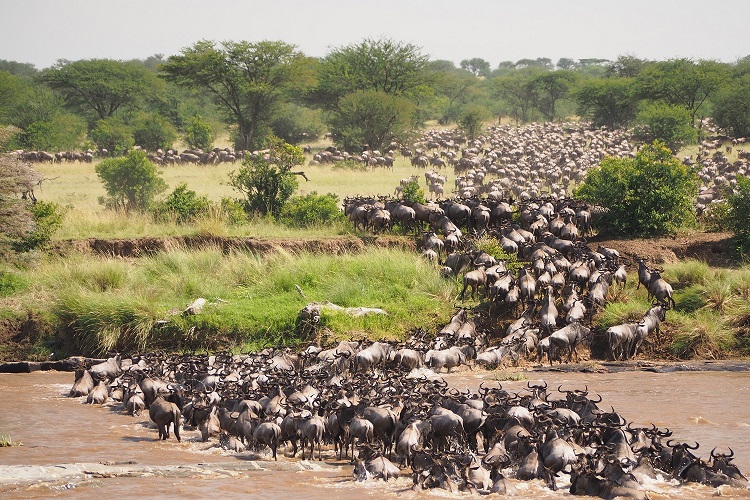
Serengeti National Park

Ngorongoro Crater
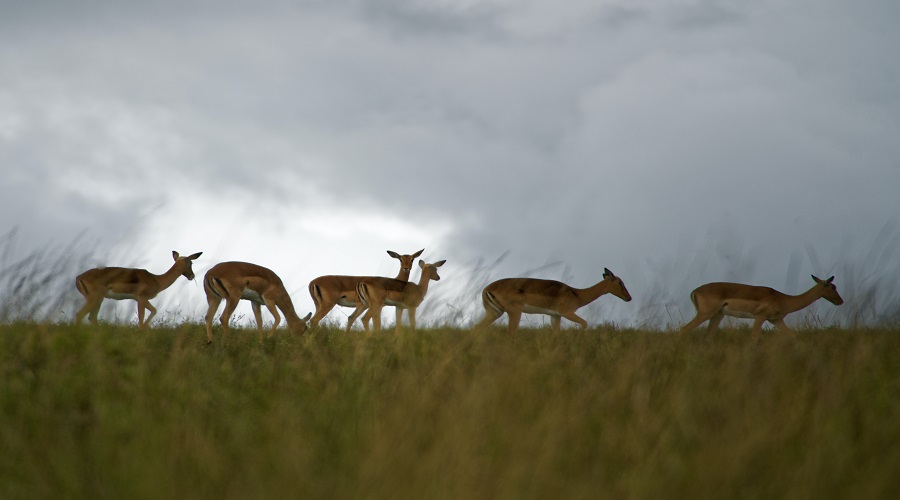
Lake Manyara
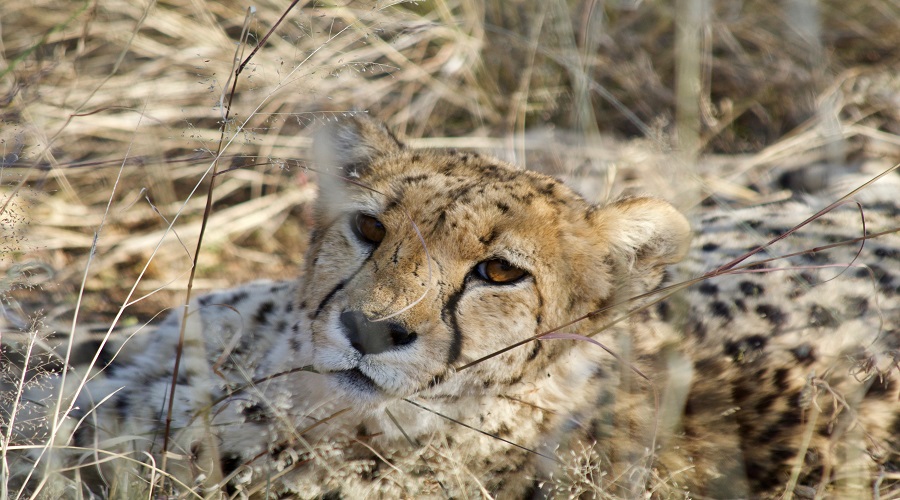
Tarangire National Park