Moshi, Tanzania
-
 +255 742 596 234
  generoustours43@gmail.com





 Moshi, Tanzania +255 742 596 234 generoustours43@gmail.com
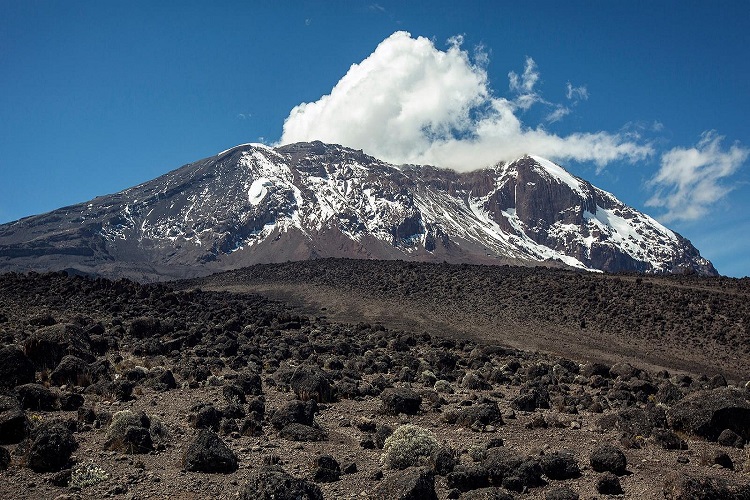
Join an affordable group trek to the summit of Mount Kilimanjaro. Ideal for adventurers seeking a budget-friendly way to experience Africa’s highest peak, with safety, camaraderie, and expert guidance.
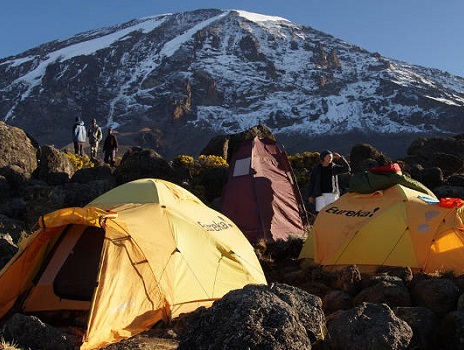
Discover affordable group trekking experiences on Kilimanjaro with expert guides.
Group trekking on Kilimanjaro offers a unique way to reach the summit affordably. With shared resources and a built-in support network, these group treks are led by skilled guides who ensure safety and camaraderie on the journey. Experience Kilimanjaro’s beauty on a budget while making lasting memories with fellow trekkers.
Mount Kilimanjaro, Africa’s highest peak, attracts thousands of adventure seekers yearly. For those on a budget, group trekking provides an affordable option to explore the mountain, sharing costs without compromising the experience. Joining a group trek makes Kilimanjaro accessible, enjoyable, and highly rewarding.
Group trekking combines affordability with a unique sense of camaraderie. By sharing resources, trekkers benefit from lower costs while still receiving quality support, guidance, and safety. Expert guides and porters accompany each group, enhancing both safety and enjoyment.
Popular routes for group trekking include the Machame, Marangu, and Lemosho routes, each offering distinct scenery and challenges. These routes provide budget-friendly, well-organized options that enhance the trekking experience with varied terrain, natural beauty, and manageable acclimatization.
The ideal times to book a Kilimanjaro trek are during Tanzania’s dry seasons: January to March and June to October. These months offer the best weather and higher chances of reaching the summit comfortably.
Packages for group trekking offer competitive prices, covering essential services like accommodation, meals, porters, and guided support. These packages are tailored to provide trekkers with high-quality, budget-friendly options.
Group trekking packages often include camp accommodations, where tents and meals are provided by porters. For the Marangu route, trekkers have the added option of staying in basic huts, providing shelter and a communal atmosphere.
Affordable group packages typically include tents, meals, park fees, porters, and guided support, ensuring a comprehensive and safe experience. Many packages also offer pre- and post-trek accommodations in Moshi or Arusha.
“Trekking Kilimanjaro in a group allowed me to make friends and stay within budget. The guides were supportive, and the journey was incredible.” — Sarah L.
Booking a group Kilimanjaro trek is straightforward. Select your preferred route and dates, choose a reputable tour operator, and make your reservation early to secure the best rates. Many operators offer flexible payment options to accommodate budgets.
While no technical climbing skills are required, a moderate to high level of fitness is recommended. Preparing with regular cardio, strength, and endurance exercises will enhance your experience and increase your chances of reaching the summit.
Absolutely! Many solo travelers join group treks, making it a popular option for individuals looking to meet others and share the experience. Group treks offer a supportive and social environment for solo trekkers.
Essentials include sturdy hiking boots, layered clothing for varying temperatures, a sleeping bag, headlamp, sun protection, and a good backpack. Many tour operators provide a packing list to ensure you have all necessary items.
Altitude sickness is a possibility when trekking Kilimanjaro. Group treks often follow a “climb high, sleep low” approach to aid acclimatization, and guides monitor trekkers closely for symptoms. Staying hydrated and following the guides’ advice will help mitigate risks.
Yes, meals are typically included in group trekking packages. Porters and cooks prepare meals at camps to keep trekkers nourished and energized throughout the climb.
Group sizes vary depending on the operator but generally range from 8 to 15 participants. Smaller groups allow for better acclimatization, while larger groups can offer a more social experience.
Physical preparation, such as aerobic exercise and hiking at altitude (if possible), helps. Following acclimatization guidelines during the trek, staying hydrated, and using an appropriate route also contribute to handling high altitude better.
Yes, many operators and local stores offer gear rentals, including sleeping bags, trekking poles, and warm clothing. It’s advisable to reserve rental items in advance to ensure availability.
If you need to turn back due to health or other issues, guides are trained to assist and arrange a safe descent. It’s essential to listen to your body and prioritize safety over reaching the summit.
Tipping is customary and a significant source of income for the trekking crew. Most operators recommend a tipping guideline; as a general rule, budget $200–$300 per trekker to distribute among the guides, cooks, and porters.
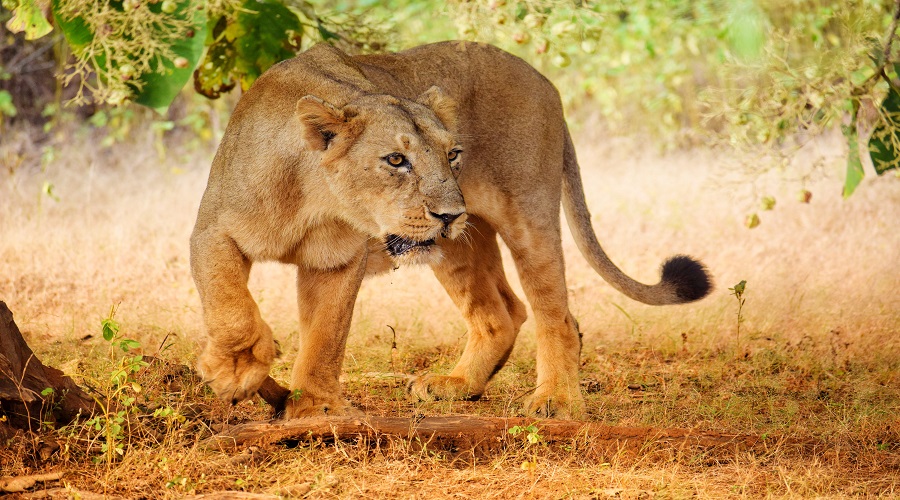
Serengeti National Park

Ngorongoro Crater
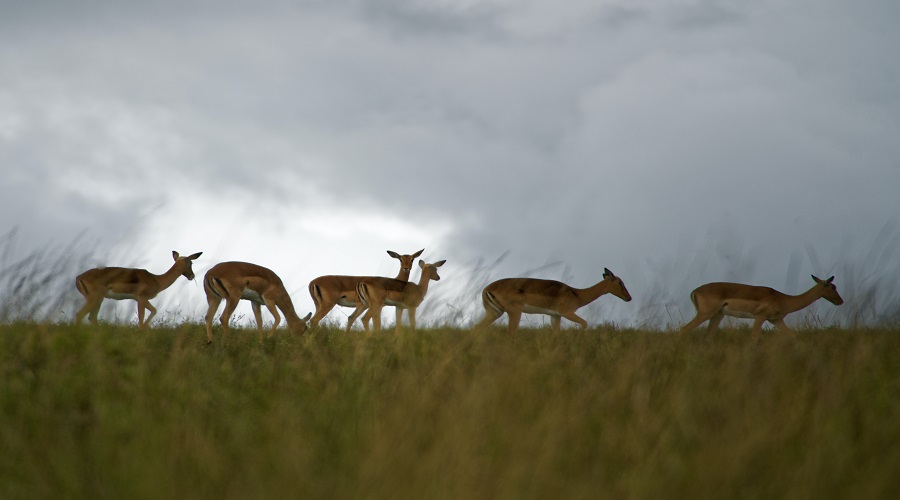
Lake Manyara
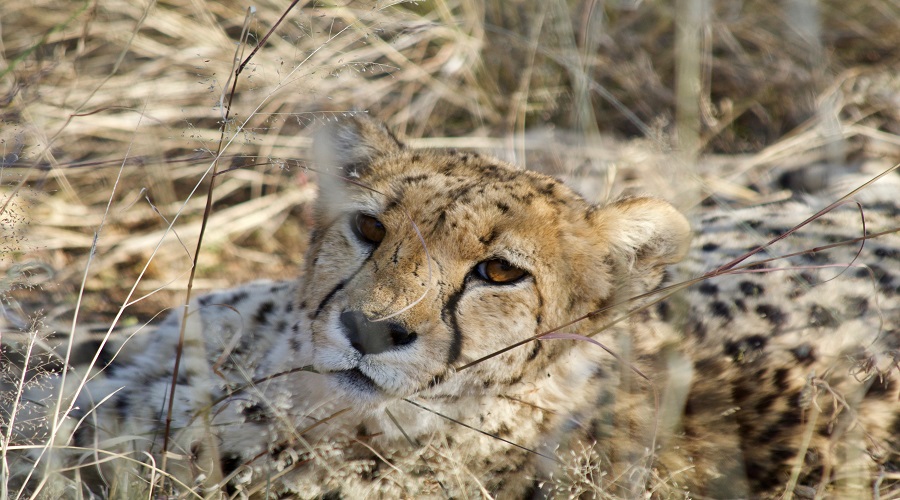
Tarangire National Park