Moshi, Tanzania
 +255 742 596 234
 info@generoustours.com





 Moshi, Tanzania +255 742 596 234 info@generoustours.com
This 10-day trip combines thrilling safaris in Tanzania’s top parks with a relaxing beach holiday on Zanzibar’s beautiful shores. Perfect for wildlife enthusiasts and beach lovers alike.
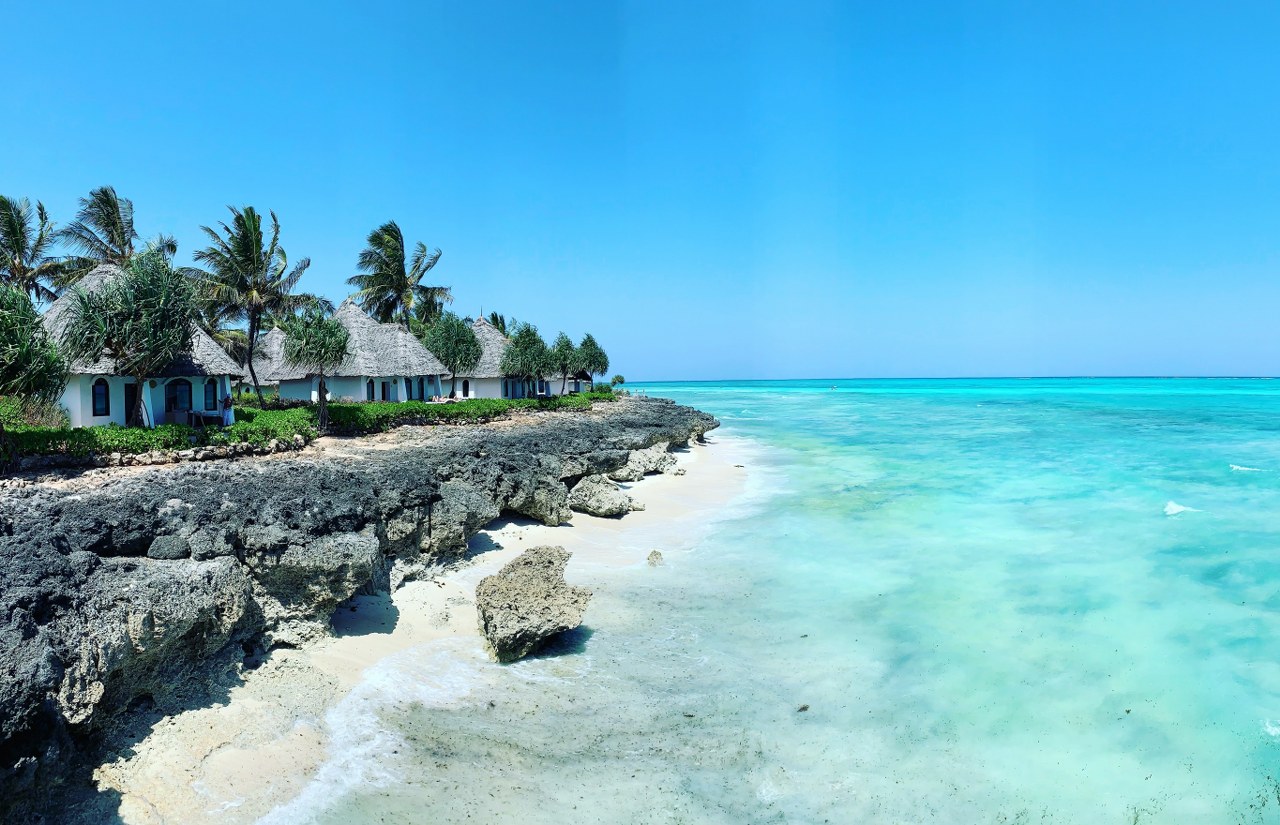
Enjoy a 10-day safari in Tanzania followed by a beach holiday in Zanzibar.
The 10 Days Safari and Zanzibar Combo takes you through Tanzania's iconic wildlife parks such as Serengeti and Ngorongoro Crater for game drives, followed by a peaceful retreat on Zanzibar’s pristine beaches. Enjoy a mix of wildlife, nature, and relaxation in this well-rounded itinerary.
Upon arrival at Kilimanjaro International Airport, you'll be greeted by your safari guide and transferred to your accommodation in Arusha, where you will spend the night. The evening is free to relax and prepare for your exciting safari adventure ahead.
After breakfast, you’ll travel to Tarangire National Park, known for its stunning landscapes and large elephant herds. The park is also home to lions, leopards, giraffes, and a wide variety of birds. Enjoy a full-day game drive, and overnight at a lodge or tented camp inside or near the park.
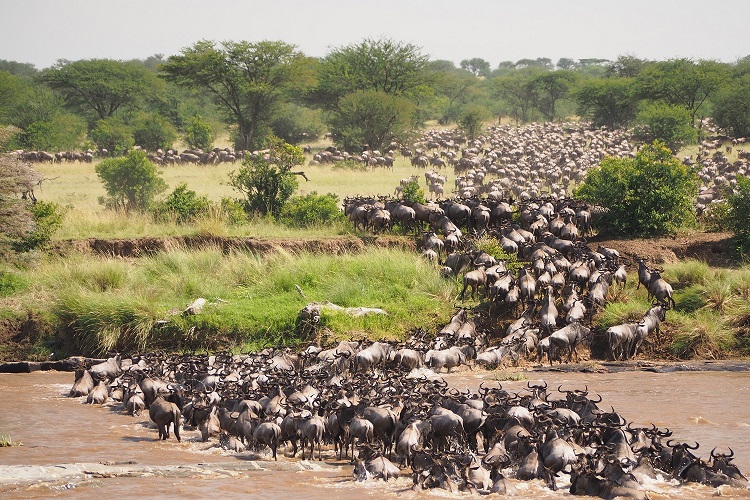
Depart early for Serengeti National Park, one of the world’s most famous safari destinations. The park is known for the Great Migration of wildebeest and zebras. You’ll enjoy an afternoon game drive before heading to your lodge or camp for the night. If you’re visiting during the migration season, the sight of millions of animals is breathtaking.
Today, you’ll have a full day to explore the Serengeti with a morning and afternoon game drive. The Serengeti is teeming with wildlife—look out for predators such as lions, cheetahs, and leopards, as well as herds of wildebeest, buffalo, and antelope. Return to your lodge or camp for an overnight stay.
After breakfast, head towards the Ngorongoro Crater, a UNESCO World Heritage site and one of the most unique wildlife areas in the world. Enjoy a game drive on the crater floor, where you may encounter rhinos, elephants, buffalo, hippos, and more. Stay overnight at a lodge on the crater’s rim, with stunning views of the crater.
After breakfast, journey to Lake Manyara National Park. The park is known for its diverse habitats, from lush forests to grassy plains. Look for tree-climbing lions, herds of buffalo, flamingos along the lake shore, and a variety of bird species. Enjoy a half-day game drive before returning to Arusha for an overnight stay.
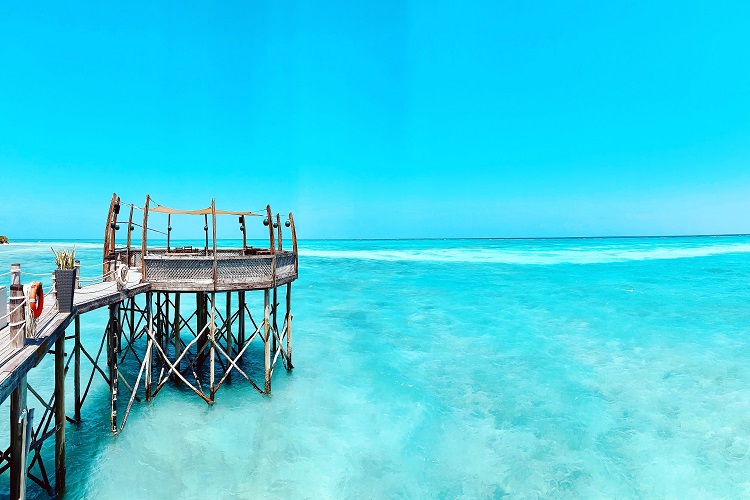
In the morning, you’ll transfer back to Arusha for your domestic flight to Zanzibar. On arrival, you’ll be met by your local guide and transferred to your beach resort. The afternoon is free for you to relax and enjoy the tropical island ambiance. Take a dip in the Indian Ocean or simply unwind on the beach.
After breakfast, enjoy a full day of leisure on Zanzibar. You can spend your time relaxing on the beaches, swimming, or engaging in optional activities such as snorkeling or diving in the clear waters of the Indian Ocean. Zanzibar is also famous for its spice farms, so you may choose to visit one.
Today, you’ll visit Stone Town, a UNESCO World Heritage site rich in history and culture. Wander through its narrow streets and alleys, visiting local markets, historical buildings, and landmarks such as the House of Wonders and the Sultan's Palace. Later, take a boat ride to Prison Island, home to giant tortoises and a historical prison. Return to your beach resort for an overnight stay.
Your last day in Zanzibar is free for any last-minute shopping or to simply relax before your flight. Depending on your flight time, you may have a final stroll along the beach or a swim in the ocean before being transferred to Zanzibar’s international airport for your departure.
Light and breathable fabrics are ideal for safaris, as temperatures can range from cool mornings to hot afternoons. Choose long-sleeved shirts and trousers to protect against sunburn and insects, especially in the evening. A light jacket for cool mornings and evenings is essential. Don’t forget a hat and sunglasses for sun protection.
During your safari, you will travel in a 4x4 safari vehicle with a pop-up roof, allowing for better viewing of wildlife and easy photography. These vehicles are designed for off-road travel, ensuring you can access the best wildlife areas. Your driver-guide will share insightful information about the animals and ecosystems.
Ensure you’re up to date on recommended vaccinations, such as yellow fever, and take malaria prophylaxis, especially when traveling to the safari regions. Bring a personal first aid kit with basic items, including insect repellent, sunscreen, and hand sanitizer. Drink plenty of water to stay hydrated during your safari.
The local currency in Tanzania is the Tanzanian Shilling (TZS), but US dollars are widely accepted in most tourist destinations. It’s a good idea to bring some US dollars in cash, especially for tips and small purchases. Credit cards are accepted in major hotels, lodges, and restaurants, but always carry cash for convenience in rural areas.
Comprehensive travel insurance is highly recommended for this safari and beach combo trip. Ensure your insurance covers unexpected cancellations, medical emergencies, and flight delays. For safaris, insurance that covers evacuation and lost luggage is especially important.
The best time for safaris in Tanzania is during the dry season, from June to October, when wildlife congregates around water sources, making it easier to spot animals. If you're interested in witnessing the Great Migration, the months of June to August are ideal for visiting Serengeti and the surrounding areas.
While major cities and tourist areas offer Wi-Fi, it may not always be available in remote safari areas. For international calls, consider using local SIM cards or satellite phones in case of emergency. It’s advised to inform family or friends of your safari itinerary before departure, especially in areas with limited connectivity.
Tanzania uses a three-pin British-style plug (Type G) with a voltage of 230V and a frequency of 50Hz. Bring the appropriate adapter and voltage converter for charging electronic devices. Many safari lodges and camps have power generators, but it’s wise to bring extra power banks for backup.

Serengeti National Park

Ngorongoro Crater

Lake Manyara

Tarangire National Park