Introduction: Understanding the Rainy Season and Its Impact on Safaris
Tanzania's rainy season can change the safari experience dramatically. While some roads become muddy and less accessible, other areas are still navigable with proper 4x4 vehicles. The wet season transforms the landscape into a vibrant green, with fresh water sources attracting wildlife to different regions. For photographers, bird watchers, and nature enthusiasts, this can be an ideal time to visit.
Rainfall Patterns and Safari Accessibility
Long Rains (March–May)
During the long rains, heavy downpours may occur daily, often in the afternoon or evening. While roads in remote areas can be slippery, national parks like Serengeti, Ngorongoro, and Tarangire remain open. Travelers should choose sturdy 4x4 vehicles and work with experienced drivers familiar with wet season conditions.
Short Rains (November–Early December)
Short rains are typically lighter and less disruptive. Safari operations continue with minimal impact on accessibility. Wildlife is still highly active, and tourist numbers are lower, allowing a more private and serene experience.
Benefits of Safaris During the Rainy Season
- Lush Landscapes: The rainy season brings vibrant greenery, blooming flowers, and scenic vistas, perfect for photography.
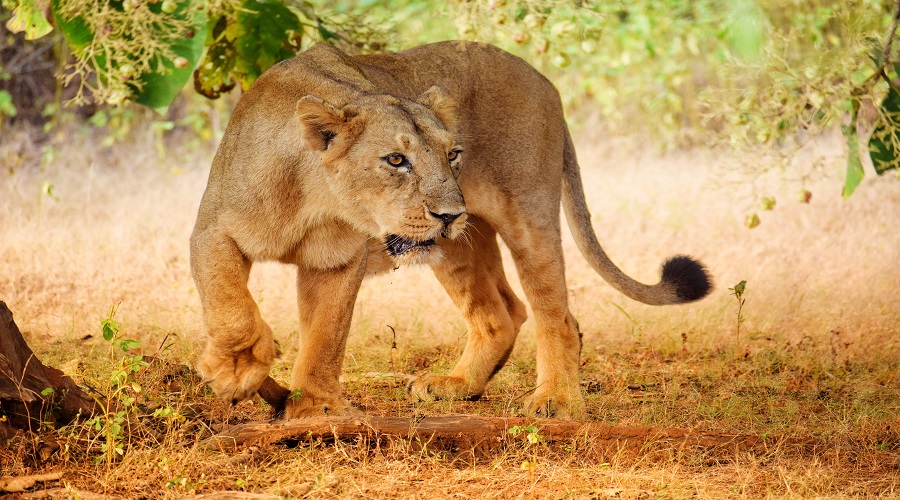
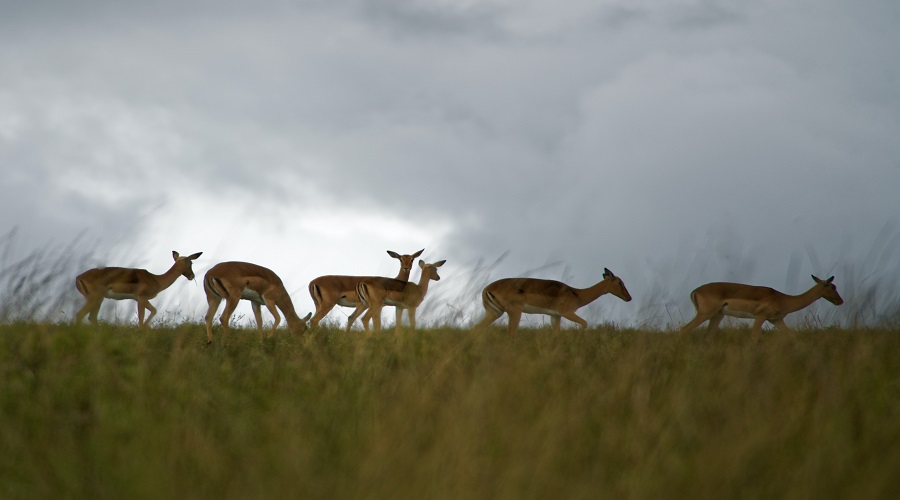
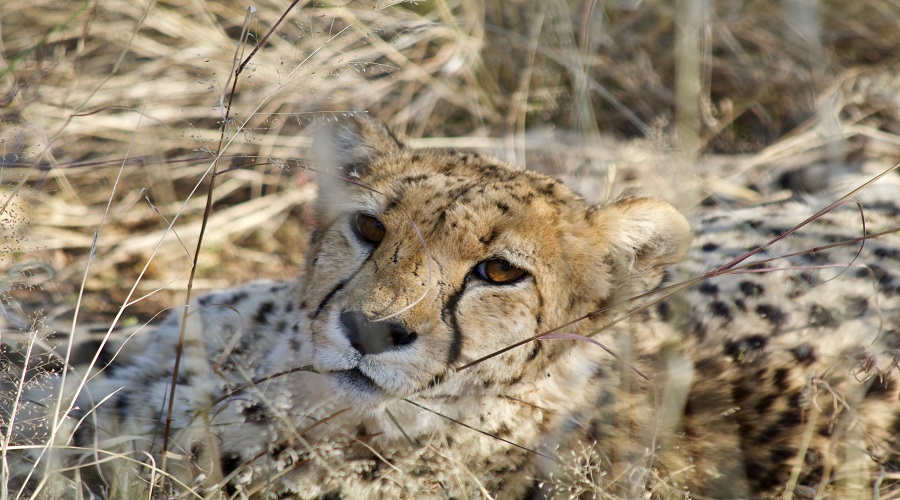
- Abundant Wildlife: Water sources attract animals to specific areas, making wildlife sightings reliable.
- Fewer Tourists: The off-peak season means less crowded parks, offering more peaceful game drives.
- Lower Costs: Many lodges and tour operators offer discounts during the rainy season, making it more affordable.
Challenges of Safaris in the Rainy Season
Road Conditions and Accessibility
Some dirt roads can become slippery or temporarily impassable after heavy rain. Choosing a safari operator with well-maintained 4x4 vehicles and experienced drivers is essential.
Weather Variability
Rainfall is unpredictable. Mornings are usually dry, while afternoons can bring heavy showers. Packing waterproof gear, extra clothing, and protective camera covers is important.
Wildlife Behavior Changes
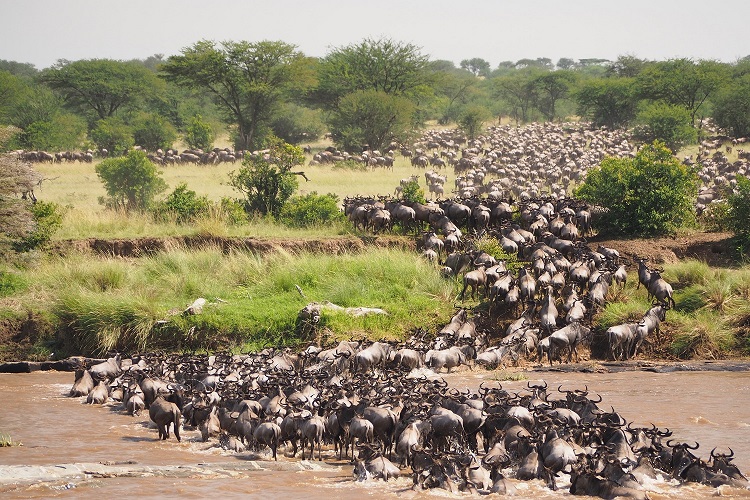
Certain migratory animals may move differently during the wet season. While this can affect typical game drive routes, it also provides opportunities to witness unique behaviors and breeding patterns.
Planning Your Rainy Season Safari: Tips and Recommendations
Choose the Right Parks
Some parks are better suited for the rainy season. For example:
- Serengeti: Accessible and lush, with abundant wildlife.
- Ngorongoro Crater: Open year-round and easier to navigate even in rain.
- Tarangire: Great for elephants and bird watching during wet months.
Travel Logistics
- Use 4x4 vehicles with experienced drivers familiar with muddy roads.
- Plan flexible itineraries to account for potential weather delays.
- Book lodges or camps with rainproof accommodations and indoor facilities.
Unique Experiences During the Rainy Season
Bird Watching
Migratory birds arrive during the rainy season, making it a prime period for bird enthusiasts.
Calving Season
Certain species, like wildebeest, give birth during or just after the rains, offering rare wildlife viewing opportunities.
Photography Opportunities
The dramatic skies, reflections in water, and lush green scenery provide spectacular photographic moments.
Conclusion: Rainy Season Safaris Are Worthwhile
Despite some challenges, safaris during the rainy season offer unique advantages: fewer crowds, lush landscapes, and abundant wildlife activity. With careful planning, flexible itineraries, and the right safari operator, travelers can enjoy an unforgettable adventure. The key is preparation, understanding park conditions, and choosing experienced guides and vehicles to ensure a safe and comfortable experience.
Additional Advice
Consult local tour operators for current road and park conditions, pack for variable weather, and embrace the beauty of Tanzania’s wet season. Proper planning ensures that your rainy season safari is both memorable and enjoyable.