Introduction: Why Cheetah Sightings Are Special on Safari
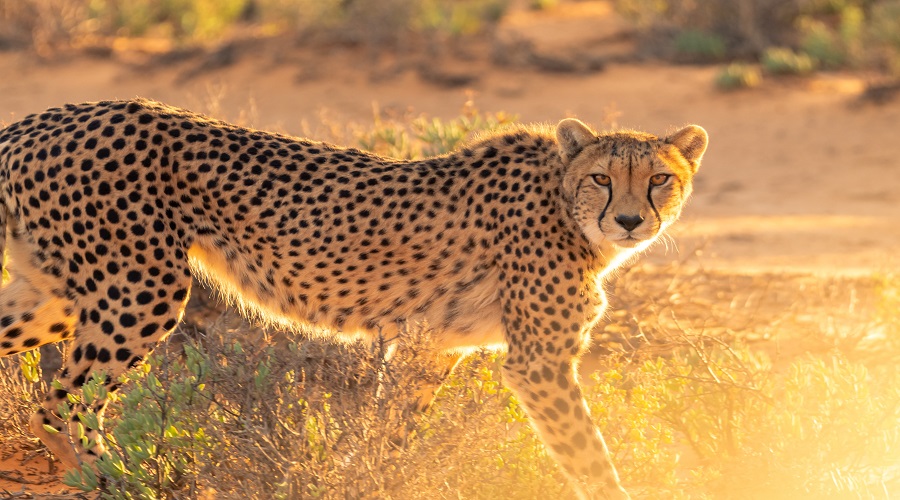
Cheetahs are renowned for their speed, elegance, and hunting prowess. Spotting one in the wild is a rare and unforgettable experience. Unlike lions that congregate in prides or elephants that roam in herds, cheetahs are often solitary or move in small family groups, making sightings more challenging. Understanding where they live, how they hunt, and when they are most active can greatly increase your chances of seeing them on your safari.
Best Parks in Tanzania for Spotting Cheetahs
Serengeti National Park
- Why it’s ideal: The Serengeti is famous for its open plains, where cheetahs can hunt and be observed more easily.
- Best Areas: Seronera Valley, Western Corridor, and Ndutu plains.
- Season: June to October and during calving season (January–March) when prey is abundant.
Ngorongoro Conservation Area
- Why it’s ideal: The Ngorongoro Crater’s rich grasslands provide hunting grounds for cheetahs.
- Best Areas: Crater floor, Lerai Forest edges.
- Season: Year-round sightings possible due to concentrated wildlife in the crater.
Tarangire National Park
- Why it’s ideal: Known for large herbivore populations, which attract cheetahs.
- Best Areas: Open grasslands near Tarangire River and Silale Swamp.
- Season: Dry season (June–October) when game congregates near water sources.
Ruaha National Park
- Why it’s ideal: Less crowded, with large expanses of savannah where cheetahs hunt freely.
- Best Areas: Great Ruaha River floodplains and open plains.
- Season: July to October for dry season wildlife visibility.
Factors That Affect Cheetah Sightings
Habitat and Terrain
Cheetahs prefer open grasslands and savannahs where they can use speed to chase prey. Dense woodlands and forests reduce visibility and make encounters less likely.
Time of Day
- Early morning (sunrise to 9 AM) and late afternoon (3–6 PM) are peak hunting and activity times.
- Midday sightings are rare because cheetahs often rest under shade to avoid heat.
Prey Availability
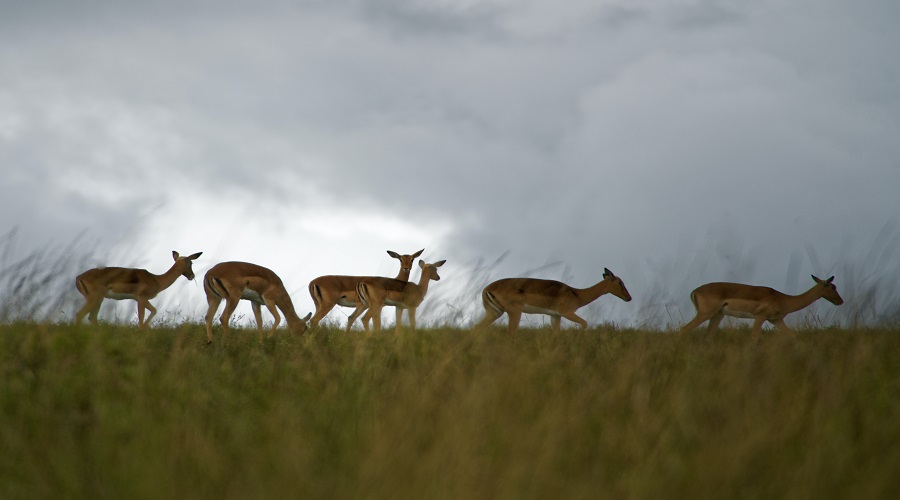
Areas with abundant gazelles, impalas, and other small herbivores increase the likelihood of cheetah activity and hunting behavior.
Tips for Increasing Your Chances of Spotting Cheetahs
- Hire experienced guides familiar with cheetah territories and behavior patterns.
- Use binoculars and cameras with telephoto lenses for distant sightings.
- Plan game drives in open plains during early mornings and late afternoons.
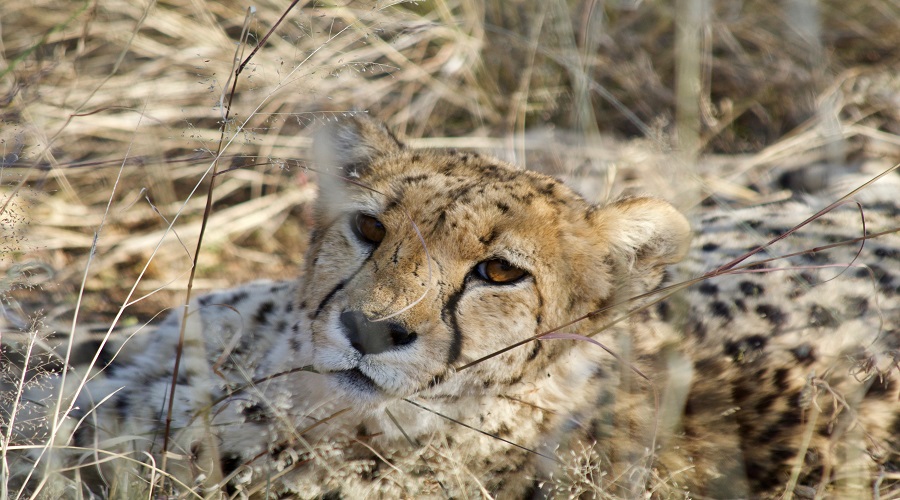
- Stay patient; cheetahs are fast, elusive, and often blend into the grasslands.
- Consider multiple-day safaris to explore various habitats within a park.
Unique Experiences When Spotting Cheetahs
Watching Hunts
Witnessing a cheetah chase prey is a thrilling experience, showcasing their unmatched speed and strategy.
Family Groups
Occasionally, you may spot mother cheetahs with cubs, offering rare insights into their social structure and cub development.
Photography Opportunities
Open plains, golden light, and dramatic skies provide excellent conditions for wildlife photography.
Conclusion: Best Strategies for Cheetah Safari Success
Spotting cheetahs requires patience, knowledge, and strategic planning. The Serengeti, Ngorongoro, Tarangire, and Ruaha National Parks offer the best chances, particularly in open plains and during dry seasons. Hiring experienced guides, choosing the right time of day, and understanding cheetah behavior will make your safari experience more rewarding. With preparation and persistence, encountering these magnificent predators in the wild is achievable and unforgettable.
Additional Advice
Consider combining parks in a multi-day safari to increase your chances of sightings. Use telephoto lenses for photography, and always follow your guide’s instructions to ensure safe and respectful wildlife encounters.