Introduction: Capturing Tanzania’s Wildlife Through Photography
Tanzania’s diverse ecosystems offer a photographer’s paradise. From the Serengeti plains to the Ngorongoro Crater and Tarangire National Park, photographers can capture iconic wildlife moments. Wildlife photography tours are designed to provide optimal opportunities for photographing animals in their natural habitats while combining adventure with professional guidance.
Standard Wildlife Photography Safaris
Overview
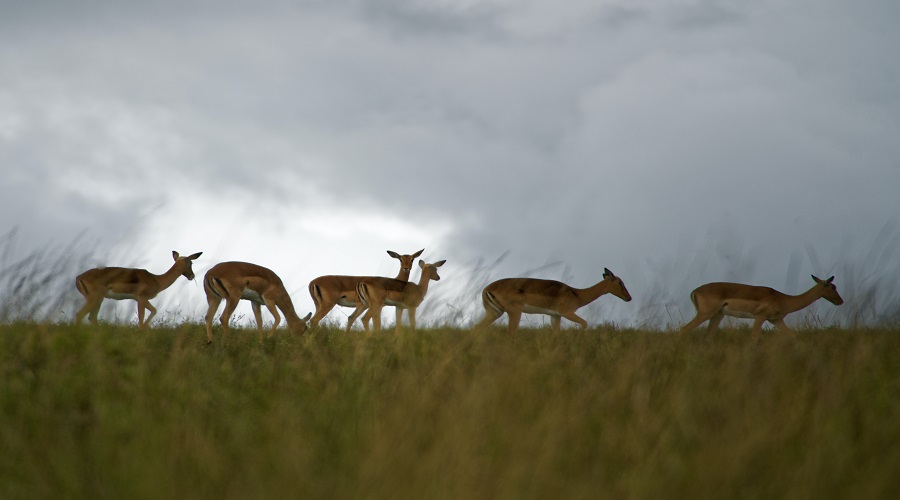
Standard photography safaris combine traditional game drives with photography-focused guidance. These tours offer flexibility to focus on capturing lions, elephants, giraffes, zebras, and more.
Highlights
- Multiple daily game drives for the best lighting conditions
- Experienced guides who understand animal behavior and positioning
- Opportunities to photograph landscapes, sunsets, and wildlife interactions
Specialized Photography Tours
Big Cat Photography Tours
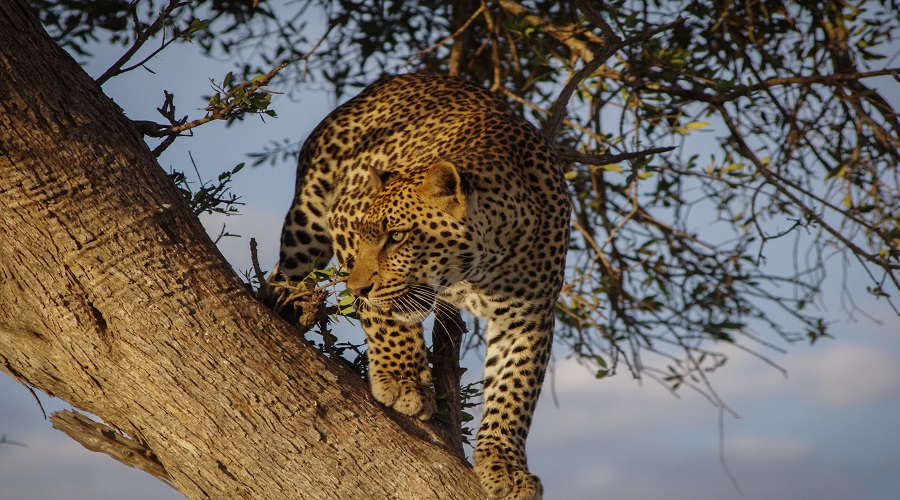
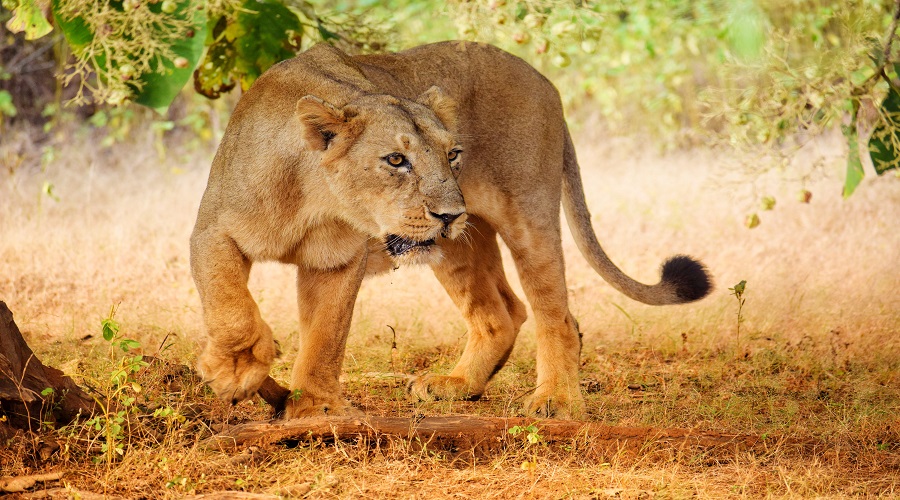
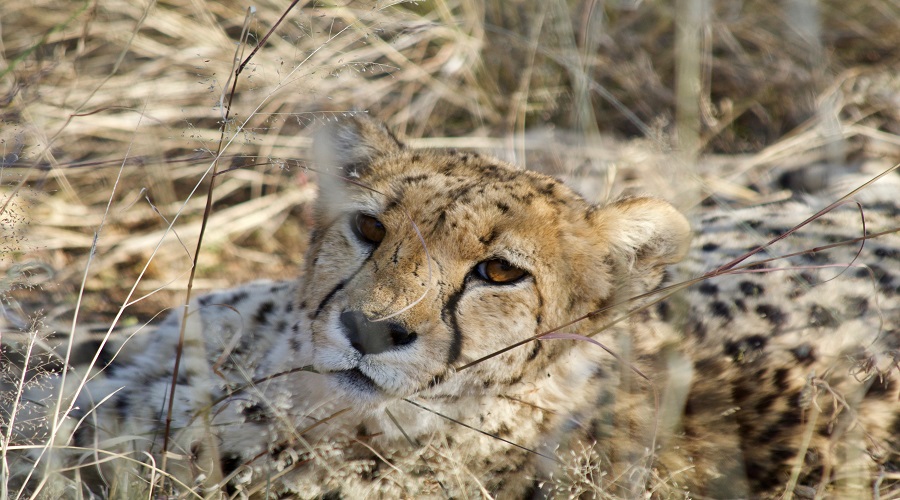
Focused on lions, leopards, and cheetahs, these tours are ideal for photographers looking to capture predator behavior, hunting, and cubs. Locations often include Serengeti, Ngorongoro, and Ruaha.
Bird Photography Tours
Tanzania hosts over 1,100 bird species. Bird photography tours target rare and colorful species, including migratory birds around Lake Manyara and Tarangire National Park.
Migration Photography Tours
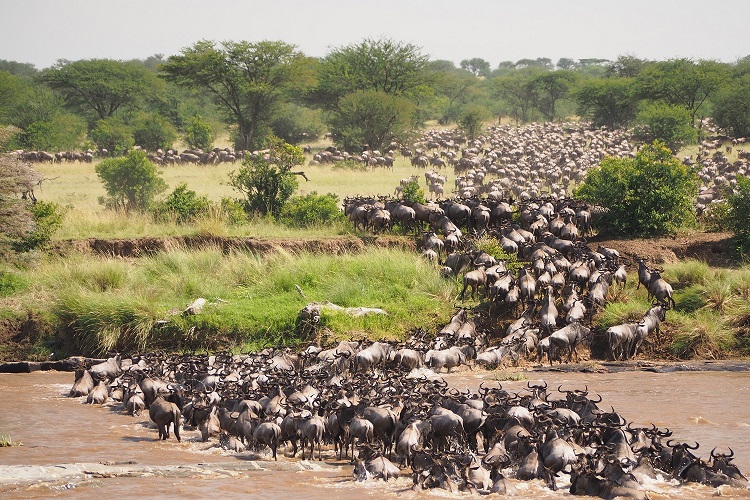
During the Great Migration, photographers can capture wildebeest and zebra crossings, dramatic predator-prey encounters, and vast herds moving across the plains. Best locations include Serengeti Northern and Western Corridors, and timing is critical for the Mara River crossings.
Private and Custom Photography Tours
- Private Tours: Customized for individual photographers or small groups, offering full flexibility in schedule and focus.
- Custom Themes: Tours can specialize in night photography, close-up animal portraits, or cultural wildlife photography.
- Professional Guidance: Includes photography tips, equipment setup advice, and post-processing guidance.
Seasonal Considerations for Photography Tours
Dry Season (June–October)
Wildlife congregates near water sources, making it easier to spot and photograph animals. Lighting conditions are ideal for early morning and late afternoon shoots.
Rainy Season (March–May, November–December)
The landscape is lush, vibrant, and less crowded. Migratory birds and newborn animals create unique photographic opportunities, though muddy roads may require 4x4 vehicles.
Tips for a Successful Wildlife Photography Tour
- Bring telephoto lenses for close-up shots and wide-angle lenses for landscapes
- Carry tripod or monopod for stability during early morning or low-light conditions
- Wear neutral-colored clothing to blend into the environment
- Follow guide instructions for safety and optimal positioning
- Plan multiple days in key wildlife areas to increase photo opportunities
Unique Experiences During Photography Tours
Capturing Predator Behavior
Photographers can observe hunting, stalking, and interactions among lions, cheetahs, and leopards.
Birdwatching Photography
Migratory and resident birds provide vibrant color and action shots, particularly around water bodies.
Cultural Wildlife Photography
Some tours include opportunities to photograph Maasai villages and local interactions with wildlife, providing a blend of nature and culture.
Conclusion: Choosing the Right Wildlife Photography Tour
Tanzania offers a wide range of wildlife photography tours for all skill levels. Standard safaris, big cat-focused tours, bird photography adventures, and migration tours cater to diverse interests. Private and custom tours allow maximum flexibility, while seasonal considerations ensure optimal wildlife encounters. By selecting the right tour and preparing adequately, photographers can capture unforgettable images and enjoy a rewarding safari experience.
Additional Advice
Discuss your photography goals with your tour operator to choose the best parks, seasons, and vehicles for your needs. Proper planning, professional guidance, and patience are key to a successful wildlife photography adventure.
 Moshi, Tanzania
 +255 742 596 234
  generoustours43@gmail.com