Introduction: Embracing Tanzanian Culture During Your Trip
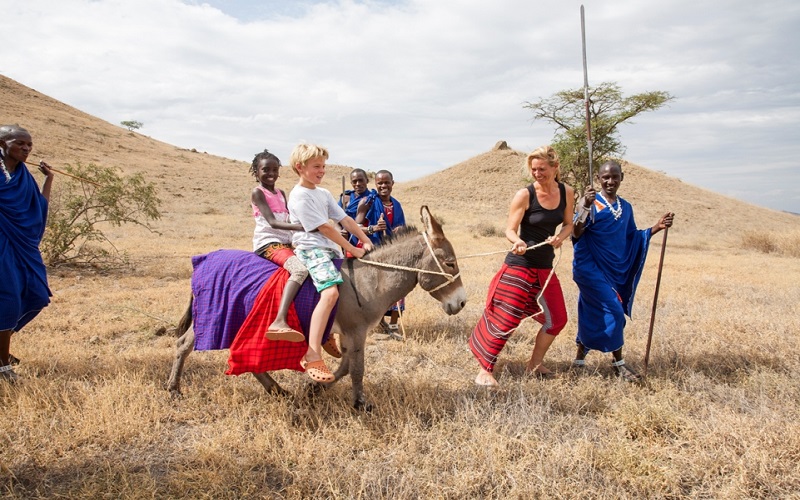
Tanzania is more than its breathtaking wildlife and landscapes—it is a tapestry of diverse cultures. Interacting with locals, attending cultural ceremonies, and learning about traditions can make your safari or visit unforgettable. Travelers who understand cultural norms and values often enjoy more meaningful experiences and build lasting connections with Tanzanians.
Languages and Communication
Swahili: The National Language
Swahili (Kiswahili) is widely spoken across Tanzania and serves as a unifying language. Learning basic greetings and phrases like “Jambo” (Hello) or “Asante” (Thank you) goes a long way in showing respect to locals.
English and Local Languages
English is commonly used in urban areas, tourist centers, and safari lodges. However, many rural communities speak their ethnic languages, such as Maasai, Chaga, Sukuma, and Hadza. Understanding this linguistic diversity helps you navigate interactions and enhances your cultural immersion.
Traditional Customs and Practices
Respect for Elders
Tanzanians place high importance on respecting elders. Greeting elders first and using polite language demonstrates cultural awareness and respect.
Community and Hospitality
Tanzanians are known for their hospitality. Visitors are often welcomed warmly into homes and villages, and sharing food or tea is a common practice.
Ceremonies and Festivals
Cultural festivals, including Maasai ceremonies, traditional dances, and coastal Swahili celebrations, offer a glimpse into Tanzanian life. Participating respectfully allows travelers to witness rich traditions firsthand.
Food and Dining Etiquette
- Staple Foods: Ugali (maize porridge), rice, beans, and grilled meats are common dishes.
- Traditional Meals: Local meals are often communal, emphasizing sharing and hospitality.
- Dining Etiquette: Eating with the right hand, waiting for elders to start, and showing appreciation for meals is customary.
Clothing and Dress Codes
- In urban and tourist areas, casual clothing is acceptable, but modest dress is recommended in rural villages and religious sites.
- Women may wear dresses or skirts covering knees, and men should avoid shorts in conservative areas.
- Brightly colored fabrics and traditional attire are commonly worn during ceremonies and festivals.
Religious and Spiritual Beliefs
Tanzania is religiously diverse, with Christianity, Islam, and traditional African beliefs coexisting peacefully. Visitors should:
- Respect religious customs, including prayer times and mosque or church etiquette
- Seek permission before photographing religious ceremonies
- Dress appropriately when visiting sacred sites
Social Etiquette and Cultural Norms
Greetings
Greetings are an essential part of Tanzanian culture. A handshake, sometimes accompanied by a slight bow or nod, is common. In rural areas, handshakes can be prolonged and accompanied by questions about one’s health and family.
Interaction with Children
Children are treated with care and respect. Always ask before taking photographs of children in villages.
Respecting Traditions
- Avoid public displays of affection in rural areas
- Do not enter homes or sacred areas without permission
- Be mindful of local customs when taking photographs
Tips for Travelers to Respect Tanzanian Culture
- Learn basic Swahili phrases to show politeness and interest
- Engage with locals respectfully and observe their customs
- Dress modestly when visiting rural communities or religious sites
- Support local artisans by purchasing handicrafts and souvenirs
- Participate in cultural experiences without disrupting daily life or ceremonies
Conclusion: The Value of Understanding Tanzanian Culture
Tanzania’s culture is rich, diverse, and integral to the overall travel experience. By understanding local languages, customs, traditions, and etiquette, travelers can enjoy deeper interactions, show respect, and gain unique insights into the lives of Tanzanians. Embracing cultural awareness ensures that your safari or visit is not only memorable for wildlife but also for meaningful human connections and authentic cultural experiences.
Additional Advice
Plan visits to cultural villages, attend local festivals, and communicate openly with guides about cultural expectations. Awareness and respect are key to enjoying Tanzania’s cultural richness safely and responsibly.
 Moshi, Tanzania
 +255 742 596 234
  generoustours43@gmail.com