Moshi, Tanzania
-
 +255 742 596 234
  generoustours43@gmail.com





 Moshi, Tanzania +255 742 596 234 generoustours43@gmail.com
Discover the essential health precautions to take before traveling, including vaccinations, medications, insurance, hygiene, fitness tips, and destination-specific advice. Plan your trips safely and avoid preventable illnesses.
Traveling exposes you to new environments, climates, and health risks that may not exist in your home country. Proper health preparation before traveling is crucial to prevent illness, manage chronic conditions, and ensure a safe, enjoyable journey. Health precautions include vaccinations, preventive medications, travel insurance, fitness and nutrition planning, safe food and water practices, and awareness of potential local health hazards. This guide provides professional advice to help you stay healthy, reduce risk, and enjoy your trip with confidence.
Before any trip, it is essential to consult a healthcare provider at least 4–6 weeks in advance. This allows sufficient time for vaccinations to become effective, prescription medications to be arranged, and personalized advice to be given based on your destination, length of stay, and activities planned. Key health precautions include:
Health precautions vary significantly by region. For example:
Q: How far in advance should I take health precautions before traveling?
A: Ideally 4–6 weeks before departure to allow vaccines to become effective and any required medications to be arranged.
Q: Which vaccinations are essential for international travel?
A: Routine vaccines (MMR, Tetanus, Polio, Influenza) and destination-specific vaccines such as hepatitis A and B, typhoid, yellow fever, and rabies depending on region and activities.
Q: Is travel insurance necessary for health protection?
A: Yes. Comprehensive travel insurance is essential to cover medical emergencies, hospitalizations, medical evacuation, and unforeseen incidents.
Q: How can I prevent malaria and other insect-borne diseases?
A: Use prophylactic medication as prescribed, apply insect repellents, wear long-sleeved clothing, sleep under treated bed nets, and avoid stagnant water areas.
Q: What should I pack in a travel health kit?
A: Include personal medications, first aid supplies, insect repellent, hand sanitizer, sunscreen, antiseptics, antidiarrheals, and any prescription medications required for chronic conditions.
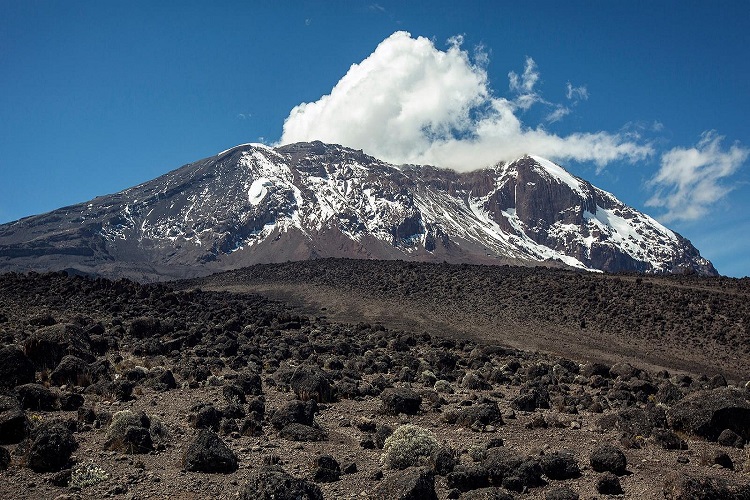
Q: Are there specific precautions for high-altitude travel?
A: Yes. Gradually acclimate, stay hydrated, avoid excessive physical exertion initially, and carry medication for altitude sickness if recommended.
Q: How can I avoid food and water-borne illnesses while traveling?
A: Drink bottled or filtered water, avoid raw or unpasteurized food, practice proper hand hygiene, and eat at reputable establishments.
Q: Should I prepare for jet lag and travel fatigue?
A: Yes. Adjust sleep schedules before departure, stay hydrated, avoid excess caffeine or alcohol, and expose yourself to natural light to reset your body clock.
Q: Can travelers with chronic conditions safely travel abroad?
A: Yes, with proper planning. Carry sufficient medication, consult a healthcare provider, have medical records accessible, and ensure your travel insurance covers pre-existing conditions.
Q: Are there precautions for extreme climates?
A: Yes. In hot climates, protect from heatstroke with hydration, sunscreen, and lightweight clothing. In cold climates, use layered clothing, keep extremities covered, and monitor for hypothermia risks.
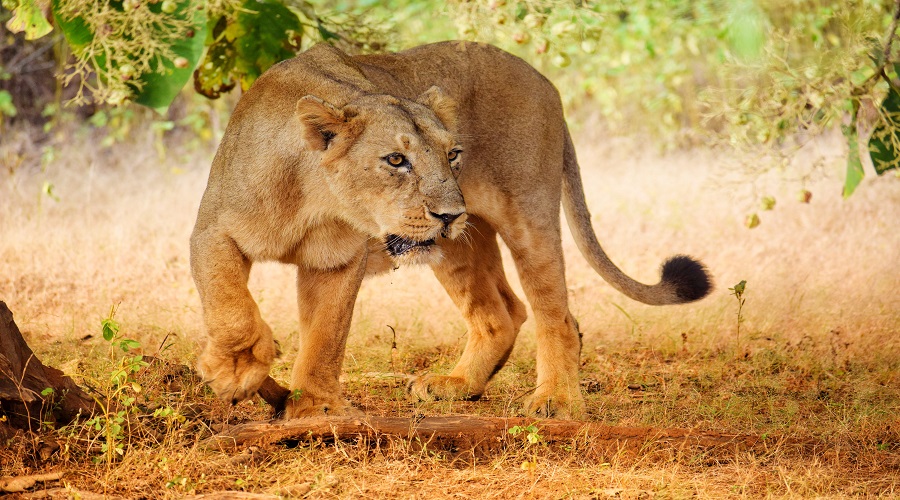
Serengeti National Park

Ngorongoro Crater
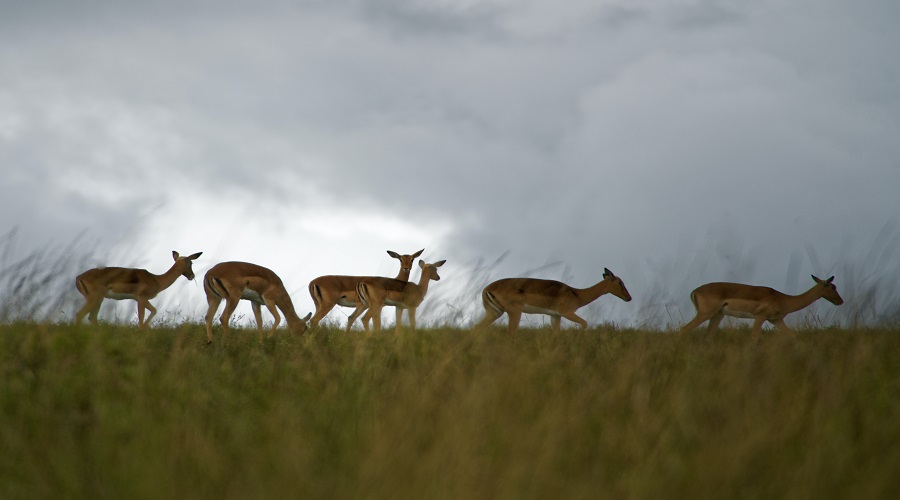
Lake Manyara
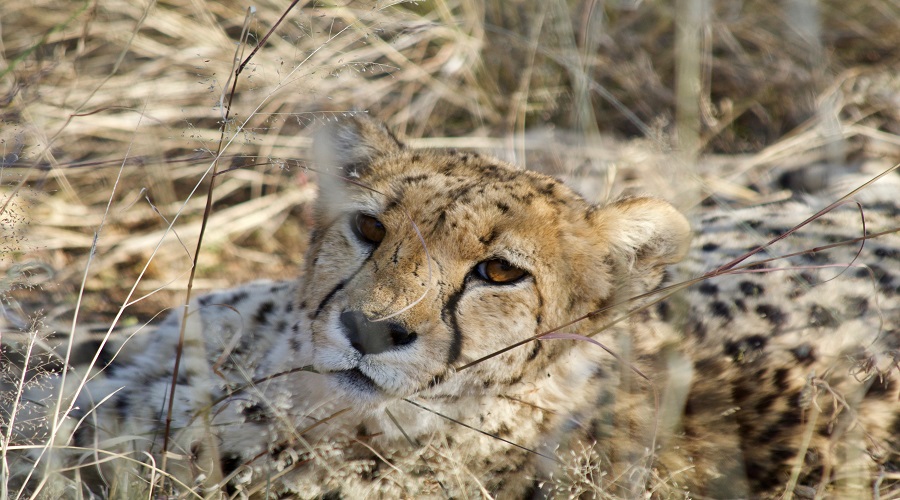
Tarangire National Park