What Equipment Should I Bring for Photography on Safari?
Article Highlights
- Complete guide to essential photography equipment for safaris.
- Recommended cameras, lenses, and accessories for wildlife and landscape photography.
- Tips on choosing gear based on budget, experience level, and type of safari.
- Information on camera safety, power management, and packing considerations.
- Advice for capturing high-quality photos in varying light and terrain conditions.
Destinations Ideal for Safari Photography
Safari photography is most rewarding in destinations with rich biodiversity and iconic landscapes. Popular destinations include:
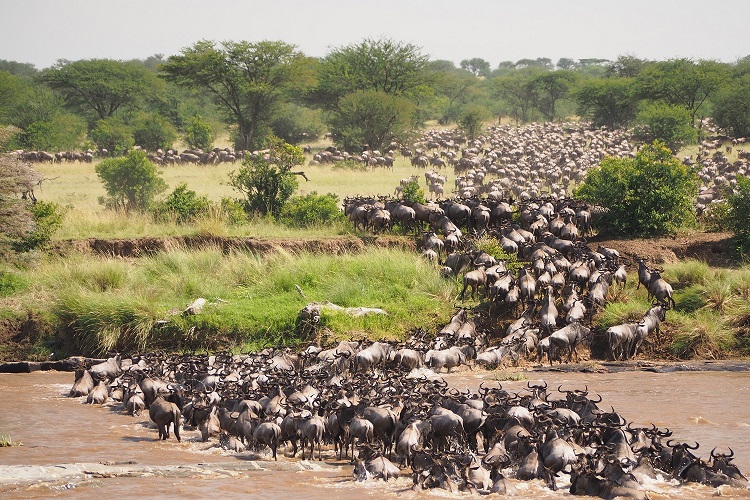
- Serengeti National Park, Tanzania – Offers dramatic open plains, predator-prey action, and seasonal Great Migration events.
- Ngorongoro Crater, Tanzania – High wildlife density in a unique caldera landscape, perfect for close-up animal photography.
- Masai Mara, Kenya – Expansive savannahs, river crossings, and large herds of wildebeest and zebras.
- Kruger National Park, South Africa – A mix of open savannahs, rivers, and bushveld ideal for both wide-angle and telephoto shots.
- Okavango Delta, Botswana – Rich wetlands and water-based game viewing, excellent for bird and aquatic wildlife photography.
- Etosha National Park, Namibia – Salt pans, waterholes, and unique desert-adapted wildlife offer diverse photographic subjects.
Why Choose a Safari-Focused Photography Setup?
A dedicated photography setup allows you to capture high-quality images with flexibility and control in challenging safari conditions. Reasons to prepare include:
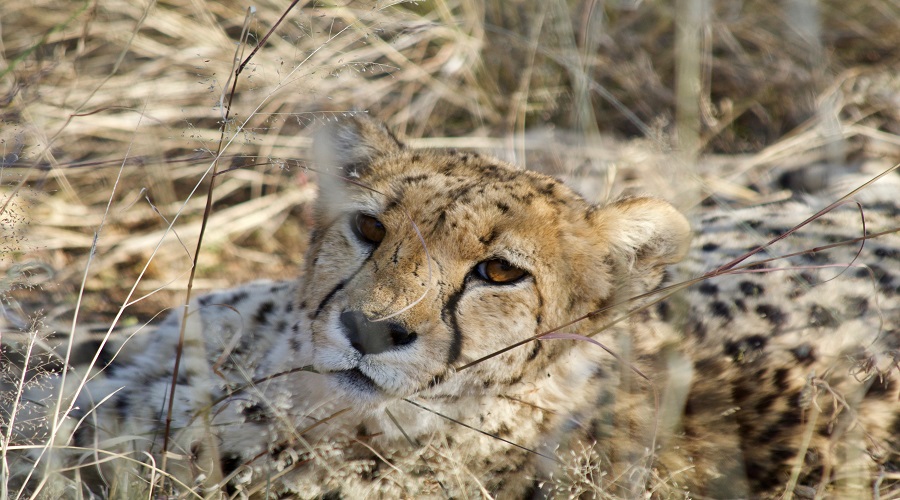
- Wildlife photography: Animals move unpredictably; long telephoto lenses help capture detailed shots from safe distances.
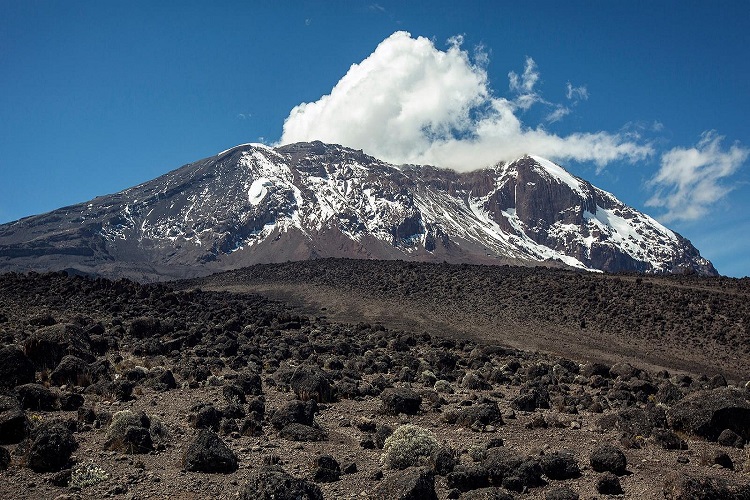
- Landscape photography: Wide-angle lenses and tripods help capture vast savannahs, crater rims, and dramatic skies.
- Low-light performance: Safari mornings and evenings offer golden light but low illumination, requiring cameras with good ISO performance.
- Durability: Safari conditions include dust, humidity, heat, and occasional rain; rugged and weather-resistant gear ensures longevity.
- Flexibility: Multiple lenses, filters, and accessories allow adaptation to different subjects, from small birds to large mammals and scenic landscapes.
Essential Camera Equipment for Safari
Cameras
- DSLR or Mirrorless Camera: Full-frame or APS-C sensors provide excellent image quality and flexibility.
- High-resolution cameras: Allow cropping without losing detail, essential for wildlife photography.
- Weather-sealed models: Protect against dust, rain, and humidity typical on safari.
- Lightweight options: Mirrorless cameras reduce fatigue during long drives and walking safaris.
Lenses
- Telephoto lenses (200mm–600mm): Essential for photographing animals at a safe distance without disturbing wildlife.
- Wide-angle lenses (16mm–35mm): Capture landscapes, camps, skies, and group photos.
- Standard zoom lenses (24–70mm or 24–105mm): Versatile for general photography, portraits, and environmental shots.
- Macro lenses: Optional for close-up shots of insects, flowers, or small animals.
Tripods and Supports
- Lightweight travel tripod for landscape photography or low-light scenarios.
- Monopods for stability while using heavy telephoto lenses on safari vehicles.
- Flexible tripods or gorillapods for creative angles or uneven terrain.
Filters and Accessories
- Polarizing filters to reduce glare on water and enhance sky contrast.
- Neutral density filters for long exposure landscapes.
- Lens hoods to prevent flare from bright sun angles.
- Extra memory cards and backup storage for high-resolution photos.
- Camera cleaning kit for dust and moisture management.
- Protective bags and rain covers for cameras and lenses.
Power Management and Data Handling
- Extra batteries and chargers; safari days are long, and access to electricity is limited.
- Portable power banks for mirrorless or smaller cameras.
- External hard drives or solid-state drives to backup photos each evening.
- Memory card organization: label cards for day-specific use to avoid overwriting.
Clothing and Personal Gear for Photography
- Neutral-colored, lightweight clothing to blend into wildlife environments.
- Hats and sunglasses for sun protection.
- Good quality binoculars to scout animals before photographing.
- Waterproof boots or shoes suitable for dusty or muddy safari trails.
- Insect repellent, sunscreen, and a reusable water bottle.
Inclusions
- Professional guidance on photography-friendly safari routes and timing.
- Use of safari vehicles with open roofs for unobstructed photography.
- Camp-based support for charging equipment and backup storage where available.
- All photography permits required in national parks or reserves.
- Meals and water during safari excursions.
Exclusions
- Personal photography gear (camera, lenses, tripods).
- Specialized accessories purchased separately (drone, specialty filters, gimbals).
- Travel insurance covering theft or damage of personal equipment.
- Flights, visas, and park entry fees not covered in the photography package.
FAQs
Q: Can I use a smartphone for safari photography?
A: Yes, smartphones can capture wildlife and landscapes, but telephoto lenses and high ISO performance are limited compared to DSLRs or mirrorless cameras.
Q: How can I photograph animals safely?
A: Always keep a safe distance, use a telephoto lens, and follow the guidance of your safari guide.
Q: Should I bring multiple lenses?
A: Yes, a combination of telephoto, wide-angle, and standard zoom lenses covers wildlife, landscapes, and general shots efficiently.
Q: How do I manage dust and heat affecting my camera?
A: Use lens covers, camera rain covers, cleaning kits, and avoid changing lenses outdoors in dusty conditions.
Q: Do I need a tripod for safari?
A: Monopods or tripods are useful for low-light conditions, sunrise/sunset photography, or stationary landscape shots; not required for fast-moving wildlife from vehicles.
Q: Can I use drones for safari photography?
A: Drone use is generally restricted in national parks and reserves. Always obtain proper permits or avoid using drones inside park boundaries.
Q: What type of memory cards is recommended?
A: High-speed SD or CFexpress cards (32–256GB) to handle high-resolution photos and burst shooting modes.
Q: How do I protect my gear during rain?
A: Bring rain covers, plastic bags, or waterproof cases. Most cameras can tolerate light rain with proper protection.
Q: Should I bring backup cameras?
A: Optional but recommended for critical trips; mirrorless or DSLR backups prevent missed shots due to technical failure.
Q: How can I optimize my safari photography results?
A: Plan for early morning and late afternoon drives, use vehicle roof hatches, anticipate wildlife behavior, and practice camera settings in advance.