Moshi, Tanzania
-
 +255 742 596 234
  generoustours43@gmail.com





 Moshi, Tanzania +255 742 596 234 generoustours43@gmail.com
Discover the ultimate guide on what clothes to wear on safari, including tips on fabrics, layering, colors, footwear, accessories, weather preparation, cultural considerations, and practical packing advice for all types of safaris.
Choosing the right clothing for a safari is crucial for comfort, safety, and maximizing your wildlife experience. Safari attire should protect you from sun, insects, dust, and temperature fluctuations while allowing freedom of movement for game drives, walking safaris, and photography. This comprehensive guide explains the best fabrics, layering techniques, color choices, footwear, accessories, and packing strategies for different safari types, seasons, and destinations. It also covers cultural and ethical considerations to ensure a respectful and enjoyable adventure.
Safari clothing should be tailored to the environment and season. Tanzania, Kenya, Botswana, South Africa, and Namibia have diverse climates:
Appropriate clothing ensures safety, comfort, and the ability to fully enjoy your safari experience:
Neutral, earthy tones such as khaki, beige, olive, brown, and gray are ideal. Bright colors, white, and dark blue/black should be avoided:
Layering helps adapt to varying temperatures:
Q: Can I wear jeans on safari?
A: Jeans are not recommended—they retain heat, are slow to dry, and restrict movement. Lightweight trousers are preferred.
Q: Should I wear long or short sleeves?
A: Long sleeves protect from sun and insects. Short sleeves may be acceptable in extreme heat but require sunscreen.
Q: Are bright colors allowed?
A: Avoid bright or fluorescent colors; they can disturb wildlife and attract insects.
Q: What type of shoes are best for walking safaris?
A: Sturdy closed-toe shoes or lightweight hiking boots with good grip and ankle support.
Q: How do I stay comfortable in variable weather?
A: Use layered clothing: breathable base layer, insulating mid-layer, and waterproof outer layer. Adjust as temperatures change.
Q: Do I need insect protection clothing?
A: Yes—lightweight, long-sleeved tops and pants help prevent mosquito and tsetse fly bites.
Q: Are scarves or buffs necessary?
A: Optional but useful for dust protection during vehicle drives or windy conditions.
Q: Should I bring a jacket for evening drives?
A: Absolutely. Even in hot climates, mornings and evenings can be cold, especially in highlands or open vehicles.
Q: What about hats?
A: Wide-brimmed hats or caps are essential to protect the face and neck from sun exposure.
Q: Can I wear flip-flops?
A: Only for camp use; flip-flops are unsafe for walking trails or climbing into safari vehicles.
Q: How many clothes should I pack?
A: Plan for daily changes, with layers for mornings/evenings. Lightweight, quick-dry fabrics reduce bulk and weight.
Q: Are cultural considerations important?
A: Yes—avoid overly revealing or flashy clothing in rural or tribal areas; neutral, modest attire is preferred.
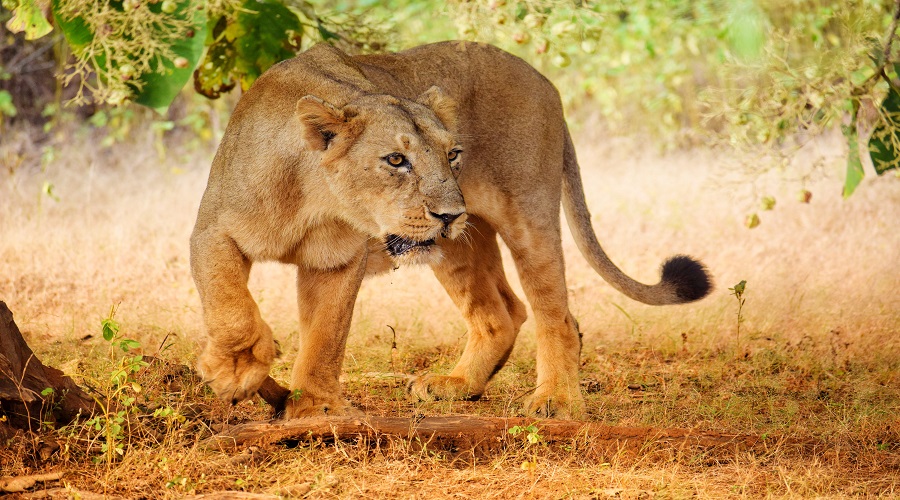
Serengeti National Park

Ngorongoro Crater
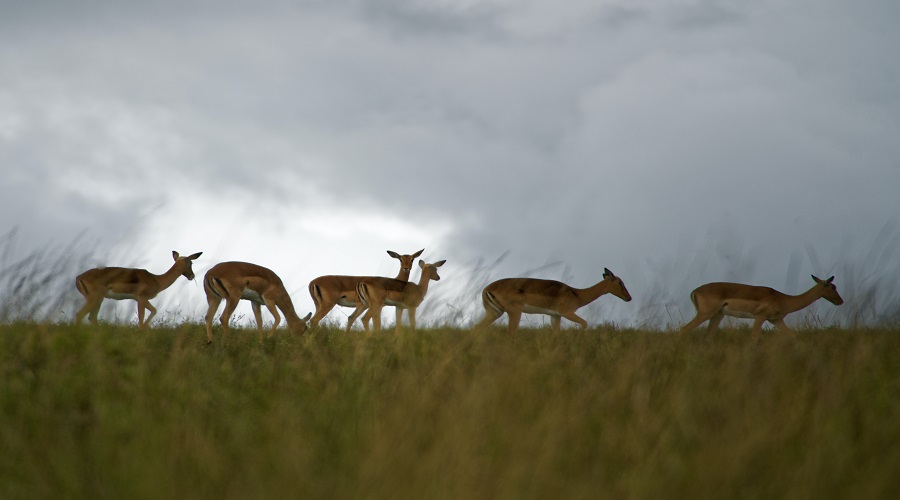
Lake Manyara
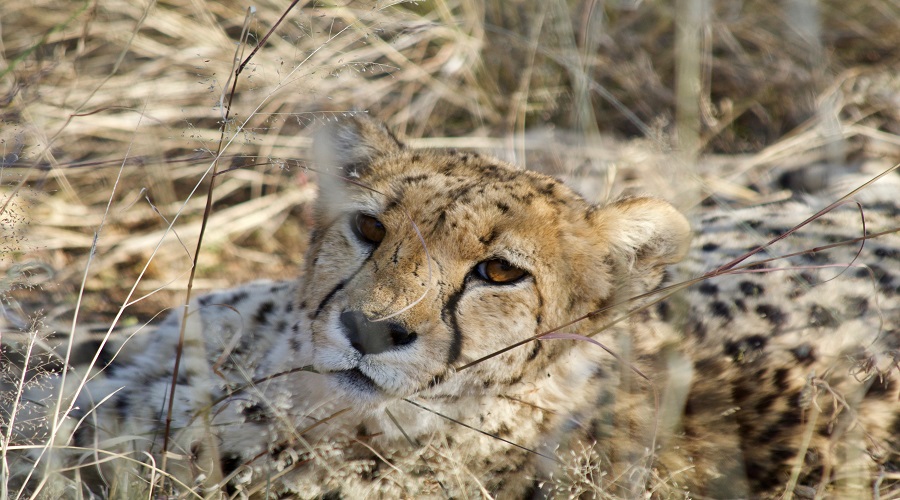
Tarangire National Park