What Additional Costs May Arise During Safari?
Article Highlights
- Understand hidden and optional safari costs before departure.
- Identify park-specific fees and activity-related charges.
- Tips for budgeting and avoiding unexpected expenses.
- Insights into travel insurance, equipment, and personal expenditures.
- Practical guidance for both budget and luxury travelers.
Destinations and Cost Considerations
Safari destinations across Africa have different pricing structures and regulations that may impact additional costs. Popular regions include:
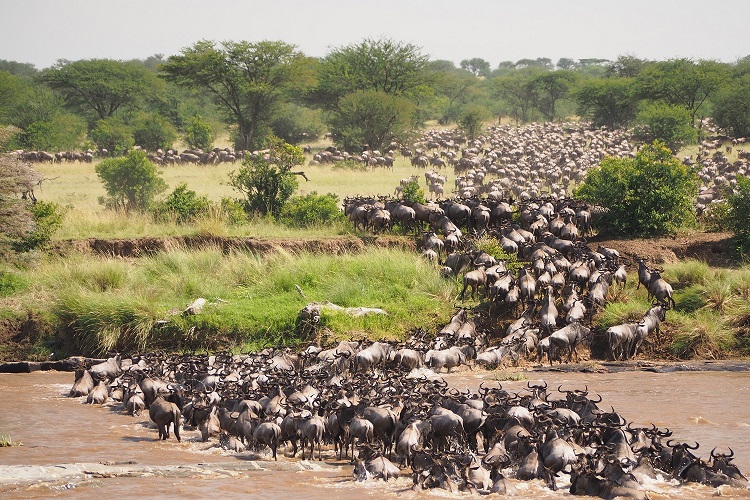
- Serengeti National Park: Entry fees, optional balloon rides, guided walks, and premium campsites can increase costs.
- Ngorongoro Crater: Vehicle permits, special conservation fees, and certain seasonal surcharges apply.
- Tarangire and Lake Manyara: Additional charges may arise for night drives, guided walks, or park-specific levies.
- Ruaha, Selous (Nyerere), and other remote parks: Airstrip transfers, long-distance drives, and mobile camps often involve extra transport and staff fees.
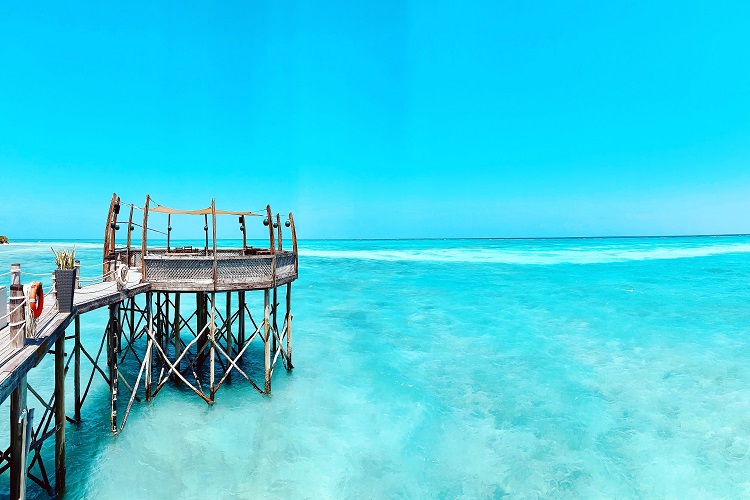
- Zanzibar or coastal safaris: Optional excursions, water sports, and cultural tours can add to the budget.
Why Understanding Additional Costs is Important
Planning for additional costs is crucial for several reasons:
- Accurate budgeting: Helps avoid unexpected financial surprises during the safari.
- Enhanced experience: Optional activities such as hot-air ballooning or guided walking safaris can greatly enrich your trip if planned for in advance.
- Flexibility: Knowing costs allows you to prioritize activities and choose services that fit your preferences and budget.
- Peace of mind: Prevents disputes or confusion with operators over what is included or optional.
Common Additional Costs on Safari
- Park Entry Fees: Most national parks and reserves charge entry fees, often varying for non-residents, residents, and citizens. Additional permits may be required for special conservation areas.
- Activity Costs: Optional experiences like hot-air balloon safaris, walking safaris, night drives, or cultural visits can involve extra charges.
- Meals and Beverages: Some packages exclude drinks or certain meals; alcohol, soft drinks, and snacks may be additional.
- Transport and Transfers: Airport pick-ups, domestic flights, long-distance transfers, or bush airstrips may incur extra fees.
- Gratuities and Tips: Tipping guides, drivers, and camp staff is customary and usually not included in the base price.
- Travel Insurance: Highly recommended for medical coverage, cancellations, or evacuation; often an extra expense not included in the safari package.
- Visa and Documentation: Visa fees, vaccinations, and permits are typically separate from the safari cost.
- Equipment and Gear Rentals: Binoculars, photography equipment, walking sticks, or specialized clothing can sometimes be rented on-site.
- Souvenirs and Personal Purchases: Crafts, jewelry, local artifacts, and other personal items purchased during village visits or markets.
- Optional Lodges or Camps Upgrades: Choosing higher-tier tents, lodges, or private camps can significantly increase the cost.
Budgeting Tips to Manage Additional Costs
- Research all park fees in advance, including seasonal changes and conservation surcharges.
- Plan optional activities and confirm prices with your operator before booking.
- Set aside a contingency fund for unforeseen expenses, such as minor emergencies or souvenirs.
- Consider inclusive packages that bundle most costs to avoid paying separately.
- Ask about tipping guidelines to prevent over- or under-tipping staff.
- Bring your own essential gear to avoid rental costs if possible.
Inclusions
- Safari vehicle and experienced driver/guide.
- Standard accommodation as per package (lodge, tent, or camp).
- Scheduled meals included in the base package.
- Basic park entry fees included if specified in the safari package.
- Water and basic amenities provided during safari drives.
Exclusions
- Optional activities (balloon rides, walking safaris, night drives).
- Additional park or conservation fees not included in the base package.
- Alcohol, soft drinks, and snacks not covered by the meal plan.
- Tips, gratuities, and service charges for guides, drivers, and camp staff.
- Travel insurance and emergency medical costs.
- Personal shopping, souvenirs, or cultural experiences outside the itinerary.
- Visa fees, vaccinations, and travel documents required for entry.
- Equipment rentals, camera accessories, or other specialized gear.
FAQs
Q: Are safari prices transparent regarding additional costs?
A: Reputable operators provide clear breakdowns of included and excluded costs, but optional activities and seasonal fees may vary. Confirm details before booking.
Q: Can additional costs significantly increase the overall budget?
A: Yes, optional activities, tips, transport, and special permits can add 20–50% or more to the base safari price, depending on the choices made.
Q: How can I avoid unexpected costs?
A: Research all potential fees, confirm inclusions and exclusions, budget for optional experiences, and discuss all charges with your safari operator in advance.
Q: Are tips mandatory during safari?
A: While not legally required, tipping is customary and part of the safari culture. Typical tips are calculated per day for guides, drivers, and camp staff.
Q: Do luxury safaris include all activities?
A: Some luxury packages include premium activities, but others may still have optional excursions or park-specific charges. Always confirm inclusions.
Q: Are there hidden fees for children or group travelers?
A: Certain parks or operators may have age-based fees or group surcharges. Always check specific policies before travel.
Q: Should I budget extra for emergencies?
A: Yes, setting aside 5–10% of your total safari budget for medical emergencies, unexpected transportation changes, or personal needs is advisable.