Moshi, Tanzania
-
 +255 742 596 234
  generoustours43@gmail.com





 Moshi, Tanzania +255 742 596 234 generoustours43@gmail.com
Discover all safari activities in Tanzania and East Africa, including game drives, walking safaris, hot air balloon rides, and cultural village visits. Learn which parks, benefits, inclusions, and safety tips apply to each activity.
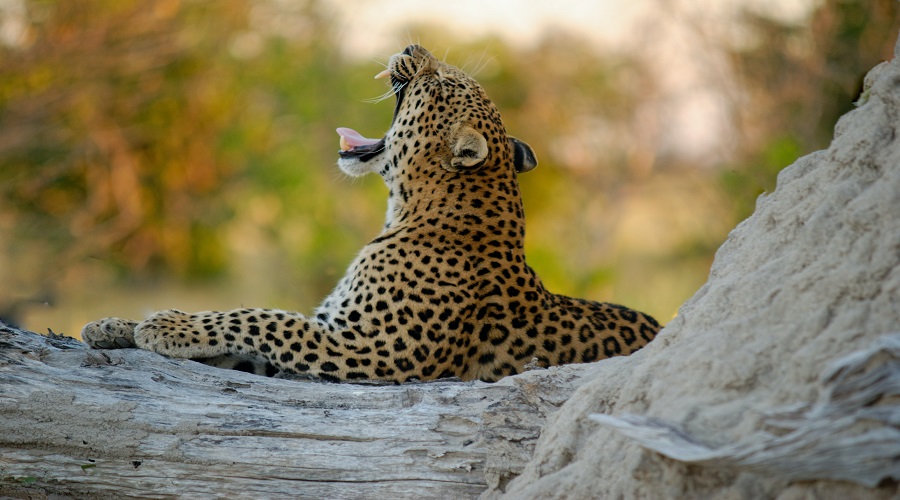
Safari adventures are not just about observing wildlife—they offer a range of experiences designed to connect travelers with Africa’s landscapes, wildlife, and cultures. Tanzania and neighboring countries provide multiple safari activity options, each offering unique perspectives. Game drives remain the most popular way to witness animals in their natural habitats, while walking safaris allow a closer and more immersive encounter. Hot air balloon safaris provide panoramic aerial views of wildlife and plains, and cultural activities let travelers engage with indigenous communities. Choosing the right mix of activities enhances both the excitement and educational value of a safari.
Game drives are the quintessential safari activity. Using 4x4 vehicles with open or pop-up roofs, travelers can observe animals in their natural habitats. Parks like Serengeti, Ngorongoro Crater, Tarangire, and Maasai Mara are ideal for game drives, offering chances to see the Big Five—lion, leopard, elephant, buffalo, and rhino—along with zebras, giraffes, and cheetahs.
Game drives typically occur in the early morning or late afternoon when wildlife is most active. A professional guide provides insights on animal behavior, ecology, and photography tips. Vehicles are equipped with comfortable seating, binoculars, and sometimes refreshments for extended excursions. Night game drives are offered in some reserves, allowing observation of nocturnal wildlife.
Walking safaris offer a slower, more intimate encounter with nature. Led by licensed guides and armed rangers, travelers explore the bush on foot, learning about tracks, vegetation, smaller creatures, and ecosystem interconnections. Walking safaris are available in parks such as Selous (Nyerere National Park), Ruaha, and certain private concessions within the Serengeti ecosystem.
This activity emphasizes sensory experiences—listening to bird calls, smelling the earth after a rain, and understanding predator-prey interactions up close. Walking safaris are usually restricted to mornings and afternoons for safety and often include a combination of short hikes and observation points. They are ideal for travelers seeking education, photography, and adventure in smaller group settings.
Balloon safaris provide breathtaking aerial views of vast savannahs and wildlife herds. Typically conducted at sunrise, these rides offer a unique perspective on migrations, predator-prey interactions, and the landscape’s topography. The Serengeti and Maasai Mara are prime locations for ballooning due to extensive plains and seasonal wildlife movements.
Passengers enjoy a serene, unobstructed view of animals from above while guides explain what can be seen from the air. Balloon flights are generally 45–60 minutes long and may include a light breakfast or champagne toast afterward. This is a high-value experience, perfect for photography and a once-in-a-lifetime adventure.
Cultural visits complement wildlife activities by providing insights into the lives of local communities. Travelers can meet Maasai, Hadzabe, Datoga, and other indigenous groups, learning about their traditions, crafts, and sustainable lifestyles. Activities may include village tours, traditional dances, beadwork workshops, and visits to local schools or markets.
These cultural experiences foster respect, awareness, and deeper engagement with the regions visited. Responsible operators ensure that visits are ethical, community-approved, and contribute positively to local development projects.
Q: Are walking safaris safe?
A: Yes, walking safaris are led by trained armed guides or rangers who ensure safety by following strict protocols and observing animal behavior. These walks are conducted in areas where risks are manageable.
Q: Do balloon safaris operate year-round?
A: Balloon safaris depend on weather conditions. The dry season (June–October) provides ideal conditions, while flights may be canceled during heavy rains or high winds.
Q: Are cultural visits ethical?
A: Reputable operators work with local communities, provide fair compensation, and ensure visits are educational without disturbing daily life.
Q: Can I combine activities?
A: Absolutely. Most safari operators offer combinations, e.g., morning game drive, afternoon walking safari, sunrise balloon ride the next day, and an evening cultural visit.
Q: What should I wear for each activity?
A: Neutral-colored clothing (khaki, olive, beige), layered clothing for cool mornings/evenings, comfortable walking shoes, a hat, and sunscreen. Balloon rides require warm layers due to higher altitudes.
Q: Are children allowed on these activities?
A: Yes, but some walking safaris and balloon rides have age restrictions. Check with the operator for specific park rules.
Q: How much do these activities cost?
A: Costs vary widely. Game drives are included in most safari packages; walking safaris range $50–$150 per person; balloon safaris $450–$600; cultural visits $30–$80 depending on location and experience depth.
Q: What are the best times for each activity?
A: Game drives – dry season (June–October); walking safaris – cooler mornings/afternoons; balloon safaris – sunrise, dry season; cultural visits – anytime, but mornings often preferred for village visits.
Q: Can activities be customized?
A: Yes. Most operators provide flexibility, allowing travelers to select preferred activities, durations, and intensity levels.
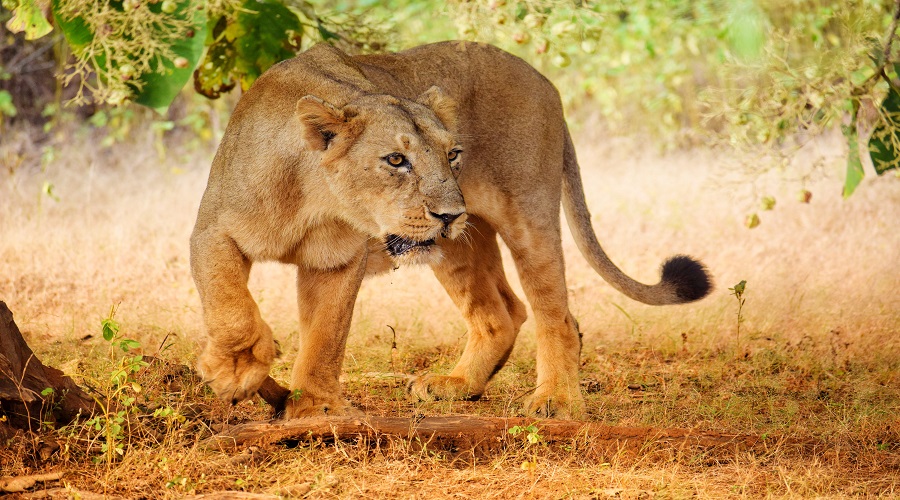
Serengeti National Park

Ngorongoro Crater
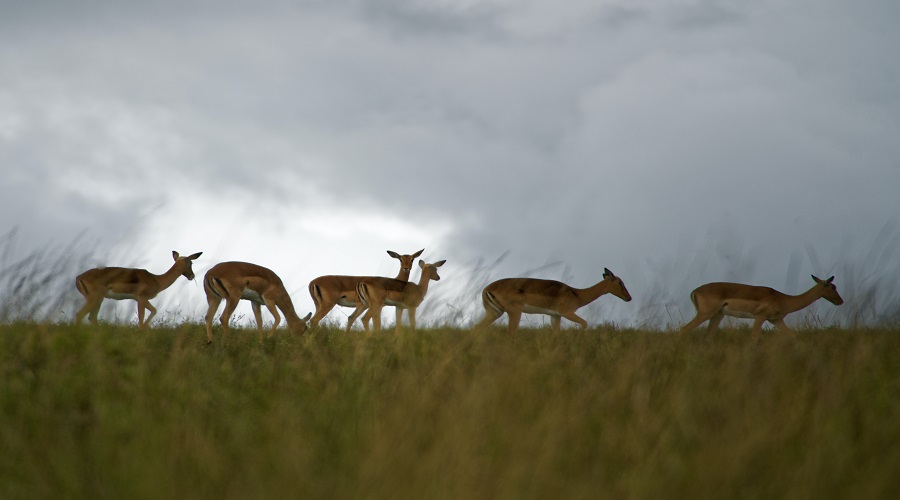
Lake Manyara
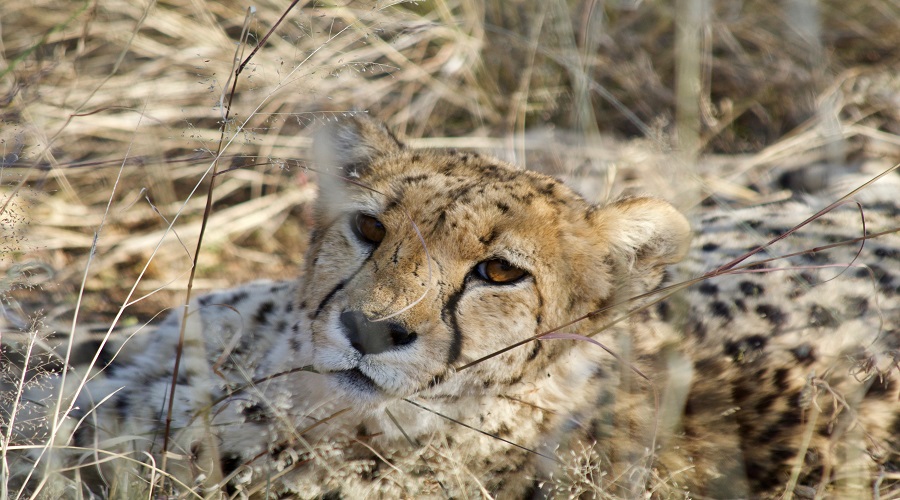
Tarangire National Park