Can I Go on Safari During the Rainy Season? The Ultimate Green-Season Guide for East 2025

Yes—you can! Discover when and where to go on safari during Africa’s rainy “green” season, what wildlife to expect, how conditions affect travel, what to pack, costs, inclusions & exclusions, and expert FAQs.


safari in the rainy season

(General Overview - Generous African Tours & Safaris)

Many travelers avoid Africa’s rainy months, but the so-called “green season” can be sensational: dramatic skies, newborn animals, outstanding birding, fewer vehicles, and meaningful savings at camps and lodges. This guide explains regional rainy-season calendars, the best destinations, advantages and trade-offs, planning tips, inclusions & exclusions, and clear answers to the most common questions.


Can I Go on a Safari During the Rainy Season? (Definitive Green-Season Guide)

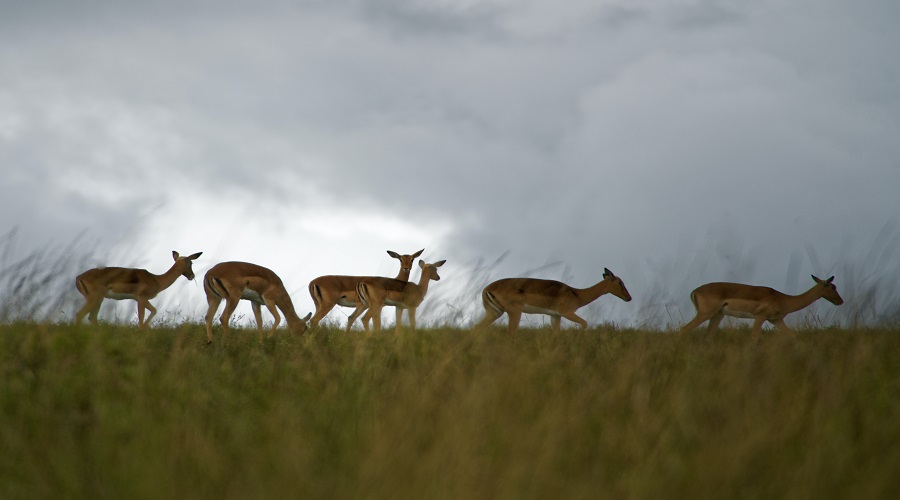
Short answer: Yes—if you prepare properly, a rainy-season (also called “green-season”) safari can be spectacular. The bush is lush, many animals give birth, migratory birds pour in, and you’ll often enjoy quieter sightings and better value. You’ll trade some visibility (taller grass, thicker foliage) and the chance of muddy tracks or short storm delays for dramatic light and fewer crowds.

Article Highlights

  • When it rains where: East Africa typically has two rainy periods (short rains: ~Oct–Dec; long rains: ~Mar–May). Southern Africa’s main rainy season runs roughly Nov–Mar/Apr.
  • Why go: Calving seasons, jaw-dropping cloudscapes, peak birding, greener rates (often significantly lower), and far fewer vehicles.
  • What changes: Tracks can be muddy; some remote bush camps close; foliage is thick (harder to spot but richer behaviors to witness).
  • Best strategy: Choose parks that shine during rains, stick to camps that stay open, use 4×4 vehicles, and build in buffer time for weather.
  • Top picks: Southern Serengeti/Ndutu (Jan–Mar calving), Kenya’s Mara & conservancies (Nov–Dec birding & babies), Botswana’s Okavango & Chobe (Dec–Mar green season), Etosha after storms (birdlife), Kruger (Oct/Nov–Mar) for newborns & summer migrants.

Rainy-Season Calendar at a Glance

Use this as a planning compass (conditions vary by year and climate cycles):

Region Typical Rainy Months What It’s Like
Tanzania & Kenya (East Africa) Short rains: ~Oct–Dec; Long rains: ~Mar–May Showers with sunny breaks; southern Serengeti/Ndutu calving Jan–Mar; intense birding Nov–Apr.
Uganda & Rwanda (Albertine Rift) ~Mar–May & ~Oct–Dec Lush forests; excellent birding; trekking possible but muddier on trails.
Botswana, Zambia, Zimbabwe (Southern Africa) ~Nov–Mar (sometimes into Apr) “Green season”: dramatic afternoon storms, baby animals, superb birdlife; some remote camps close.
Namibia (Etosha & beyond) ~Nov–Apr (heaviest ~Jan–Mar) Desert flushes green; pans can hold water; flocks of flamingos and migrants after rains.
South Africa (Kruger & Lowveld) ~Oct/Nov–Mar/Apr Hot, stormy afternoons; many births; superb summer birding; thicker bush.

Destinations & Why We Chose Them

1) Southern Serengeti & Ndutu (Tanzania) — Jan–Mar Calving

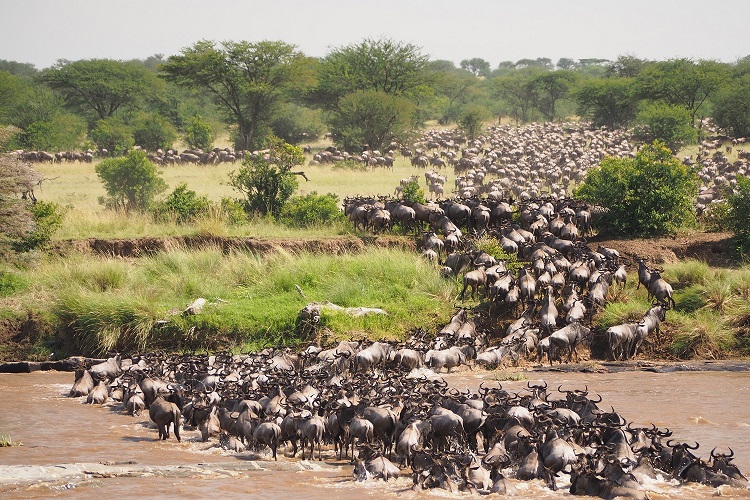
Why now: This is the famed wildebeest calving. Hundreds of thousands of calves drop within weeks, drawing predators and offering intimate behavior—bonding, first steps, tense predator-prey encounters—on nutrient-rich short-grass plains.

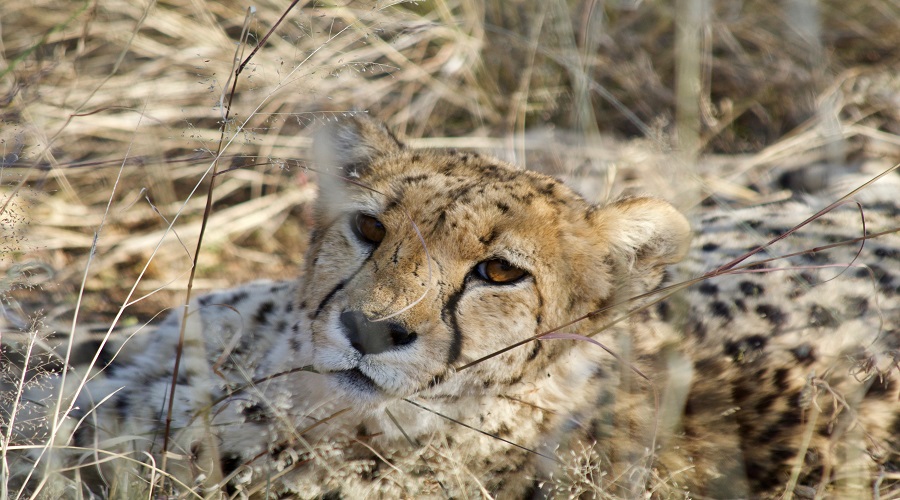
  • Expect: Spectacle of births (peaks Feb); cheetah action; thunderheads and soft, photogenic light.
  • Trade-offs: Storm cells and sticky black-cotton soils can slow drives; visibility reduced by taller grass in some patches.
  • Tip: Base near Ndutu/Ngorongoro Conservation Area to follow herds flexibly; choose camps with experienced guides who track daily movements.

2) Masai Mara & Private Conservancies (Kenya) — Nov–Dec Short Rains

Why now: The short-rains period kick-starts a baby boom and brings in dazzling migratory birds (rollers, bee-eaters, kingfishers). Private conservancies mean fewer vehicles and authentic off-road moments where permitted.

  • Expect: Calves, foals, lion cubs; electric skies; lively birding.
  • Trade-offs: Slick black-cotton tracks after storms; carry patience and a poncho.
  • Tip: Add Laikipia or the Mara Triangle for diversity and varied micro-climates.

3) Botswana — Okavango Delta & Chobe (Dec–Mar)

Why now: It’s the classic Southern African green season: emerald floodplains, newborns, amphibian choruses at dusk, and fewer vehicles. Note: Local rains fall in summer, while the long-distance flood pulse usually peaks mid-year—two different water cycles that shape unique experiences.

  • Expect: Afternoon storms with clear mornings; productive predator sightings on some concessions; prolific birding.
  • Trade-offs: Some water- or road-dependent activities shift; certain camps offer superb value deals this time of year.
  • Tip: Mix a Delta concession with Savuti/Chobe riverfront to balance water- and land-based game viewing.

4) Etosha National Park (Namibia) — Rains Transform the Pan (~Nov–Apr)

Why now: Thunderstorms turn the great pan into reflective shallows that attract flamingos and migrants; mesmerizing skies over salt flats create rare photographic moods.

  • Expect: Bursts of grazing herds on newly green plains; dramatic cloudscapes; intense summer birding.
  • Trade-offs: Animals spread out (more water sources), so sightings require patience and smart routing.

5) Kruger National Park & Greater Kruger (South Africa) — Oct/Nov–Mar

Why now: Newborns everywhere, lush landscapes, and a summer influx of migrants make this an atmospheric, life-filled season—fantastic for families and photographers.

  • Expect: Calves, cubs, and vibrant birdlife; rumbling afternoon storms; warm nights with insect choruses.
  • Trade-offs: Dense vegetation reduces line-of-sight; plan for earlier/later drives to capitalize on cooler hours.

Why Choose the Rainy (Green) Season?

  • New life & predator action: Many herbivores give birth as grasses flush, concentrating predators.
  • Birding bonanza: Migrants swell species lists; breeding plumage pops against the green.
  • Atmospheric photography: Soft, diffused light, rainbows, and moody storm backdrops.
  • Fewer vehicles, more serenity: You’ll often linger longer at sightings and feel the wilderness to yourself.
  • Better value: Shoulder/low-season pricing at many camps; more availability and flexibility for premium camps or private vehicles.

What’s Different Compared to the Dry Season?

  • Visibility: Taller grass and leafier trees can hide animals, but behaviors are intimate and varied (courting, parenting, hunting in cover).
  • Roads & Access: Some remote bush tracks become muddy; certain seasonal camps close. Main circuits typically remain operational with capable 4×4 drivers.
  • Weather rhythm: Downpours are often brief/convective (afternoon storms), with sunshine on either side—great for photography.
  • Logistics: Occasional flight or activity adjustments; itineraries should build in time buffers and flexible routing.

How to Plan a Smart Rainy-Season Safari

  1. Pick weather-wise parks & open camps: Prioritize destinations that shine in the rains (Ndutu, Mara conservancies, Okavango, Kruger). Verify your chosen camps actually operate in your month.
  2. Go private or mix regions: Combining a private conservancy (off-road flexibility) with a national park balances density vs. freedom.
  3. Choose 4×4 and pro guides: Experienced guides make all the difference on wet black-cotton soil and in reading storm patterns.
  4. Build buffers: Allow margin for a washed-out track or delayed activity. A 2- or 3-night stay per camp increases your odds.
  5. Think health & comfort: Opt for screened rooms, ceiling fans, insect deterrents, and vehicles with ponchos/blankets.
  6. Leverage value: Use green-season specials to upgrade to smaller camps, private vehicles, or a photo guide.

Packing List (Rain-Ready & Photo-Forward)

  • Waterproof layers: Lightweight rain jacket (taped seams); compact umbrella for blinds; quick-dry pants; waterproof gaiters for muddy walks.
  • Footwear: Lug-soled trail shoes or light boots; fast-dry socks; camp sandals.
  • Bags & protection: Roll-top dry bag or pack liner; dry sacks for camera bodies/lenses; silica gel sachets; lens rain cover; microfiber cloths.
  • Insect defense: Repellent (DEET or picaridin), long sleeves for dusk, permethrin-treated clothing if desired.
  • Sun & storm kit: Wide-brim hat, polarized sunglasses, lip balm, electrolytes for hot/humid days.
  • Camera tips: Extra batteries (humidity drains faster), blower brush, protective filter; consider a polarizer for post-storm color and reflections.

Budget & Value Notes

Green-season safaris commonly feature lower nightly rates, added-value specials, and greater availability. You may afford a higher-end camp, a private guide, or a longer stay for the same budget compared to peak months.

Inclusions & Exclusions (Typical Safari Package)

Inclusions

  • All scheduled game drives (shared or private as booked) in 4×4 safari vehicles with professional guides.
  • Full-board accommodation (breakfast, lunch, dinner); tea/coffee; most snacks.
  • Park & conservancy fees and government taxes where specified.
  • Light-air or road transfers as per itinerary; meet-and-greet services.
  • Selected activities depending on area: walking safaris, boat/mokoro (season-dependent), night drives (where permitted).
  • House beverages at many camps (beer, wine, softs); laundry in some lodges.

Exclusions

  • International flights and visas.
  • Premium drinks, curated wines, and specialty coffees where not included.
  • Some activities (ballooning, exclusive hides, private vehicles) unless pre-booked.
  • Travel insurance (strongly recommended) and medical costs.
  • Gratuities to guides/camp staff (customary but discretionary).
  • Clinic visits, vaccinations, antimalarials (consult a travel-health professional).

FAQs

Will I still see animals in the rainy season?

Yes. You’ll often see newborns and predator interactions. Animals can be more dispersed due to water availability and thick foliage, so expert guiding and time in the field are key.

How heavy are the rains?

In many safari regions, rains arrive as short, intense thunderstorms with sunshine before/after. Full-day washouts are possible but uncommon; flexible scheduling helps you work around cells.

Do camps close?

Some remote or road-dependent bush camps close for a month or two at peak rains; main circuits and many year-round camps remain open. Always confirm seasonal operations for your dates.

Are roads and flights reliable?

Main airstrips and transit routes are generally operational, though a heavy downpour can delay a departure or detour a game drive. That’s why we recommend 4×4 vehicles, skilled guides, and itinerary buffers.

Is it safe—what about mosquitoes and malaria?

Follow standard precautions: use repellent, wear long sleeves in the evening, and consult a travel-health specialist about antimalarial medication suitable for your itinerary. Many lodges offer nets and screens; choose accommodations with solid mosquito control.

Is the rainy season good for photographers?

Absolutely. Diffused light, storm drama, saturated greens, reflections, and wildlife with newborns yield images that are impossible in the dusty dry season. Pack rain protection for your kit.

Will I save money?

Often, yes. The rainy/green season is typically low or shoulder season with reduced rates and increased availability—great for upgrading camps or adding a private vehicle.

What about gorilla trekking?

Trekking remains feasible but trails are muddier and slick. If you trek in the rains (Mar–May or Oct–Dec), bring gaiters, waterproof layers, and gloves; plan for slower pace and more humidity.

What’s the best trip length?

Plan 8–12 days to mix two or three areas (e.g., Serengeti + Ngorongoro highlands; or Okavango + Chobe; or Kruger + a private reserve). Two or more nights per camp boosts sighting odds.

Final Take

A well-planned rainy-season safari is immersive, atmospheric, and great value. Choose resilient destinations, travel with expert guides in proper 4×4 vehicles, pack for showers and mud, and give yourself time to let Africa’s green season work its magic.

Book Your Tour

Book With Us

Our Best Tours In Tanzania

Generous Tours

4 Days Tanzania Great Serengeti Migration Safari

4 days
Tanzania
Generous Tours

4 Days zanzibar Holiday & Vacation Tours

4 Day
Zanzibar
Generous Tours

5 Days Marangu Route Kilimanjaro Climbing

5 Day
Kilimanjaro
English