Moshi, Tanzania
-
 +255 742 596 234
  generoustours43@gmail.com





 Moshi, Tanzania +255 742 596 234 generoustours43@gmail.com
Wondering how many days to spend on safari and how many national parks you can cover in one trip? Learn expert insights, recommended safari durations, and top park combinations for the ultimate African adventure.

Planning a safari involves key decisions such as how long to stay and how many national parks to include in your itinerary. While the thrill of spotting lions, elephants, and wildebeest herds is unmatched, the length of your trip and the parks you visit determine the depth of your experience. Spending too little time may feel rushed, while a longer safari allows you to enjoy diverse landscapes, wildlife, and cultural encounters. Similarly, visiting multiple parks enriches the journey, but overloading the schedule may reduce quality time in each location. This article explains in detail how many days you should ideally spend on safari, how many parks you can realistically visit, and what to consider for a memorable adventure.
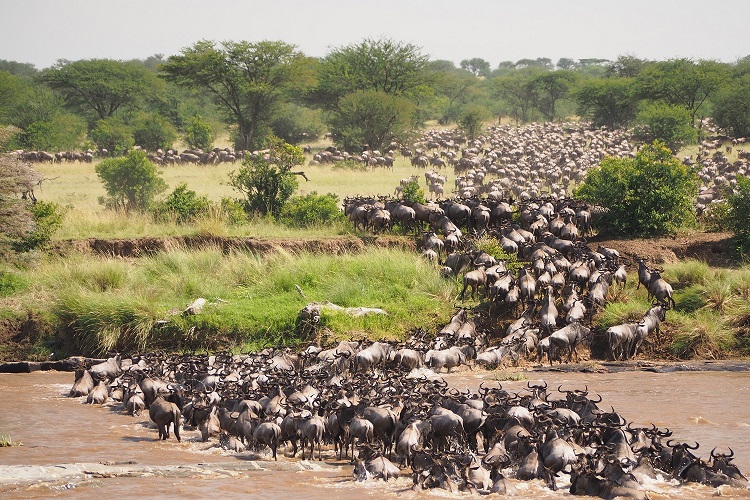
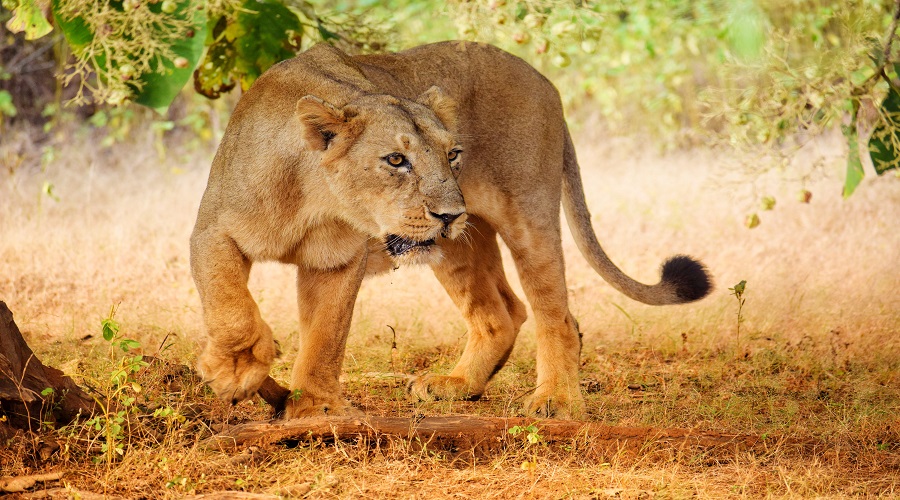
Africa boasts some of the most iconic national parks and reserves, each with unique landscapes and wildlife. In Tanzania, the Serengeti National Park is renowned for the Great Wildebeest Migration, while Ngorongoro Crater provides a natural amphitheater teeming with big cats and rhinos. Tarangire National Park is famous for elephant herds and giant baobab trees, while Lake Manyara offers tree-climbing lions and birdlife.
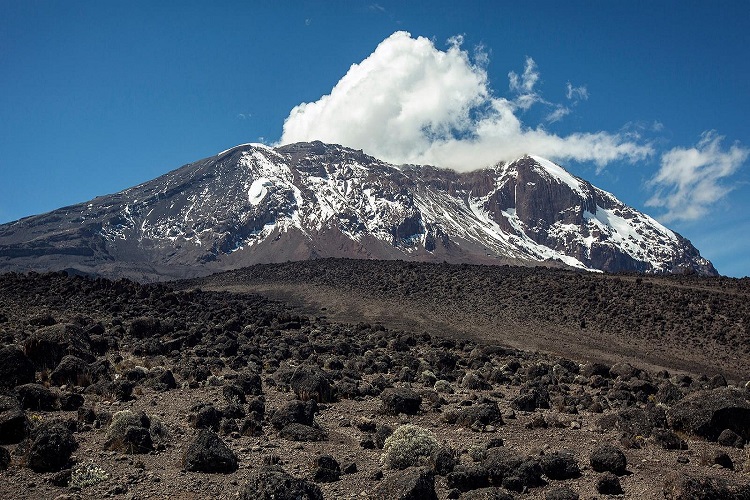
In Kenya, Maasai Mara is a must for big cat sightings, while Amboseli sits beneath Mount Kilimanjaro with unmatched elephant views. For those seeking a different setting, South Africa’s Kruger National Park provides year-round safari opportunities with well-developed infrastructure. Combining multiple parks, such as Serengeti + Ngorongoro + Tarangire or Maasai Mara + Amboseli, creates a diverse safari rich in scenery and wildlife encounters.
The duration of a safari depends on the depth of experience you seek.
Spending more time increases your chances of witnessing seasonal events such as the wildebeest migration, river crossings, or elephant matriarchal behavior. It also reduces the stress of constant travel, letting you savor each moment in the wild.
While it may be tempting to cover as many parks as possible, quality is more important than quantity. Realistically, you can comfortably visit 2 to 4 parks in one safari depending on trip length. For instance:
Distances matter. For example, traveling from Serengeti to Ngorongoro requires several hours of driving, so trying to fit too many parks may cut into game-viewing time. Carefully balancing the number of parks ensures you enjoy both the wildlife and the journey.
Choosing the right duration and number of parks ensures balance between exploration and relaxation. A carefully planned safari allows for:
Typical inclusions:
Typical exclusions:
Q1: Is 3 days enough for a safari?
A 3-day safari offers a glimpse of Africa’s wildlife but is usually limited to 1–2 parks. It’s best for travelers with tight schedules.
Q2: What is the ideal safari duration for first-timers?
5–7 days is ideal for first-time visitors, offering time to explore multiple parks without rushing.
Q3: Can I visit both Serengeti and Ngorongoro in one safari?
Yes, many itineraries combine Serengeti and Ngorongoro. A minimum of 4–5 days is recommended to enjoy both properly.
Q4: How many parks are too many in one trip?
Visiting more than 5 parks in under 10 days can feel overwhelming. Quality time in fewer parks creates better experiences.
Q5: Do longer safaris cost more?
Yes, costs rise with duration due to additional park fees, accommodations, and logistics. However, longer safaris deliver richer experiences.
Serengeti National Park

Ngorongoro Crater
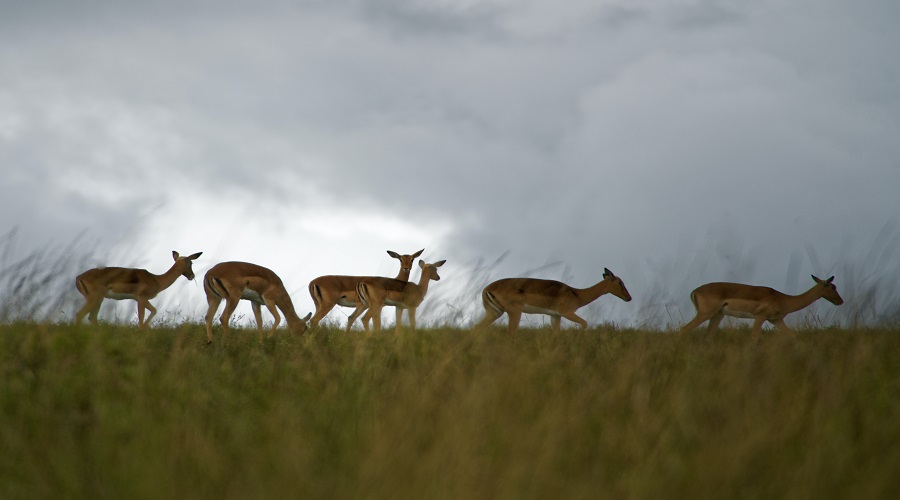
Lake Manyara
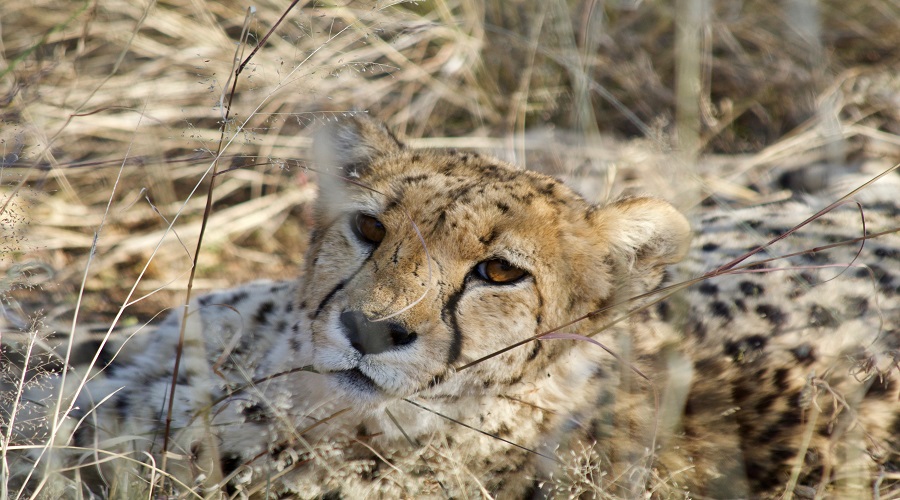
Tarangire National Park