Moshi, Tanzania
-
 +255 742 596 234
  generoustours43@gmail.com





 Moshi, Tanzania +255 742 596 234 generoustours43@gmail.com
Explore Mount Kilimanjaro via the Rongai Route on a 7-day northern trail trek. Enjoy fewer crowds, scenic landscapes, gradual acclimatization, and a high summit success rate. Ideal for first-time and experienced climbers.
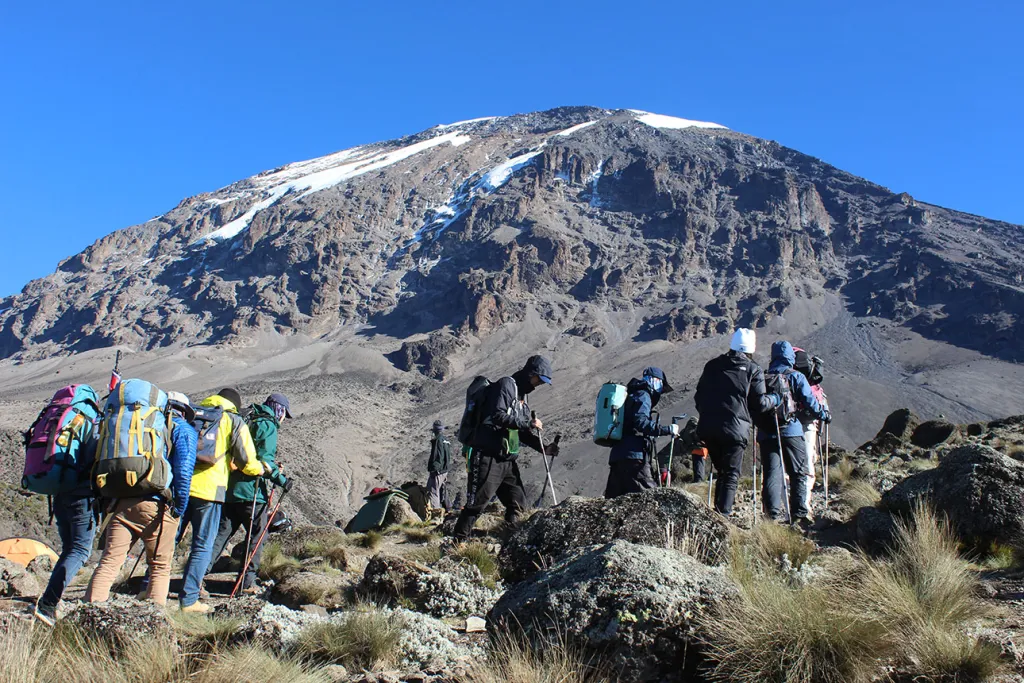
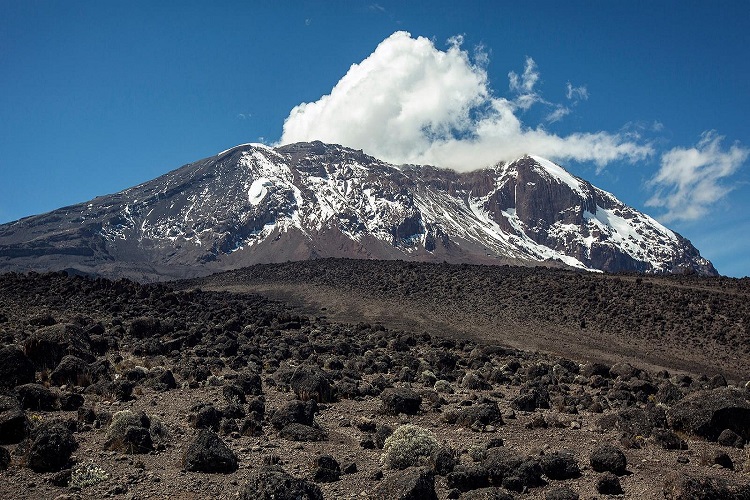
The Rongai Route is Kilimanjaro’s northern approach, offering a quieter and less crowded trekking experience compared to other routes. Over 7 days, climbers traverse diverse landscapes including dense rainforest, open moorlands, alpine deserts, and rocky highlands, culminating in the summit of Uhuru Peak. Its gradual ascent profile is perfect for first-time climbers seeking a safe and enjoyable journey to Africa’s highest point.
This route is guided by experienced mountain guides and supported by trained porters who carry equipment and prepare meals. Accommodation is in tents on the mountain, offering comfort while immersing climbers in nature. The Rongai Route is particularly recommended for those who want a peaceful trek with exceptional scenery and a high chance of summit success. The trek balances adventure and comfort, providing ample opportunities to spot wildlife, enjoy stunning sunrises, and witness the dramatic landscapes of Kilimanjaro’s northern slopes. From the starting point at Rongai Gate to the summit and descent via the same trail, climbers experience one of the most scenic and rewarding journeys on the mountain.After transfer from your hotel, arrive at Rongai Gate for registration. Trek through rainforest, spotting monkeys and exotic birds along the way. The gentle pace allows early altitude adaptation. Overnight at Simba Camp.
Trek gradually through open moorlands and rolling valleys. Enjoy panoramic views of Kibo and Kilimanjaro’s northern slopes. Camp at the second site for overnight rest.
Continue across alpine desert and scenic ridges. This day builds endurance and prepares climbers for higher altitudes. Overnight at the third camp with views of glaciers and volcanic formations.
Spend the day on optional acclimatization hikes to nearby ridges or explore the surrounding highland terrain. Guides monitor health for summit readiness. Camp overnight at a high-altitude location.
Trek through alpine zones toward High Camp, resting in preparation for summit day. Afternoon and evening are reserved for rest, hydration, and summit briefing.
Begin the climb shortly after midnight. Trek slowly under the stars to Stella Point, then continue to Uhuru Peak at sunrise. Celebrate the achievement and descend carefully to lower camp for recovery.
Complete the descent through changing landscapes to Rongai Gate. Receive your official Kilimanjaro summit certificate and transfer back to your hotel, concluding a memorable 7-day Rongai Route adventure.
• Kilimanjaro National Park entry, camping & rescue fees
• Professional, licensed mountain guides
• Trained porters and cook to carry equipment and prepare meals
• Tented accommodations on the mountain
• All meals during the trek (breakfast, lunch, dinner)
• Drinking water, hot beverages, and snacks on trek
• Daily altitude and health monitoring with pulse oximeter
• Summit certificates for successful climbers
• International and domestic flights
• Tanzania visa fees
• Travel and medical insurance (mandatory)
• Hotel accommodation before and after the trek
• Personal trekking gear (boots, jackets, sleeping bags, clothing)
• Tips for guides, porters, and cook
• Personal expenses such as snacks, drinks, and souvenirs
• Northern approach, less crowded and peaceful trek
• Gradual ascent profile for higher summit success
• Scenic landscapes from rainforest to alpine desert
• Suitable for first-time climbers and moderate fitness
• Offers excellent acclimatization opportunities
• Is the Rongai Route suitable for beginners?
Yes. Its gradual ascent and 7-day itinerary make it ideal for first-time climbers.
• How difficult is the trek?
Moderate difficulty due to altitude. The 7-day schedule allows acclimatization and increases summit success.
• What is the best time to climb via Rongai Route?
January – March and June – October offer the best weather and trail conditions.
• How high is Uhuru Peak?
5,895 meters – Africa’s highest point.
• What happens if I cannot reach the summit?
Guides prioritize safety. Descending is always safe, and partial climb certificates are issued.
• Guided by certified, experienced mountain guides
• Daily health and altitude monitoring for all trekkers
• Emergency oxygen and first aid kits available
• Porters carry heavy equipment to reduce fatigue
• Strict adherence to Kilimanjaro National Park safety protocols
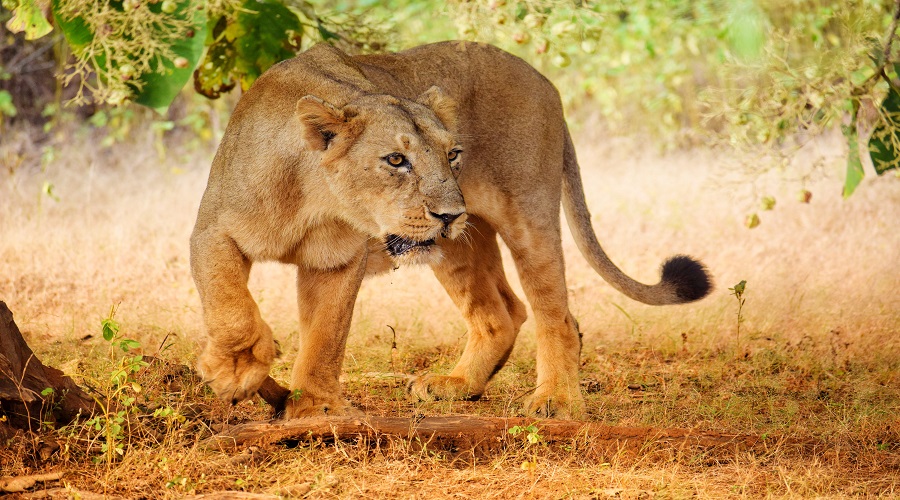
Serengeti National Park

Ngorongoro Crater
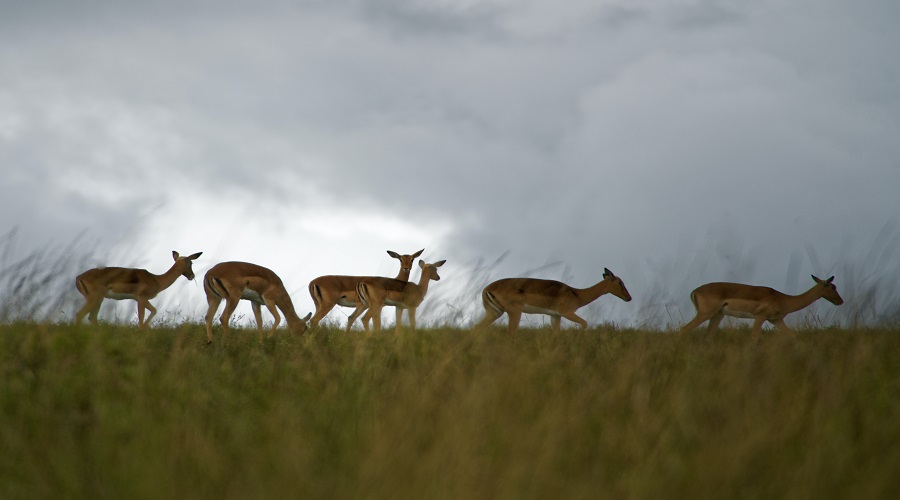
Lake Manyara
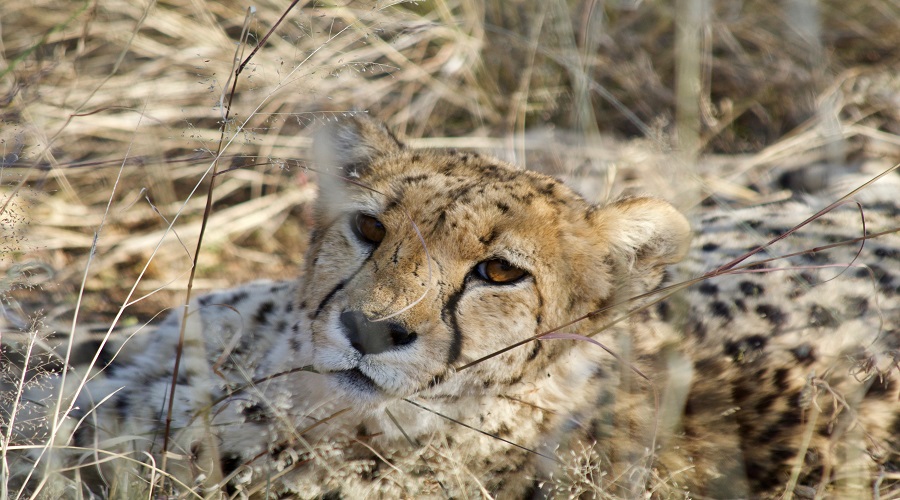
Tarangire National Park