Is Wi-Fi or Electricity Available in Lodges/Camps?
Article Highlights
- Electricity is typically available via solar + batteries, generator schedules, or grid near towns; heavy appliances are usually restricted.
- Wi-Fi often exists in main areas only and may be limited or capped; remote camps can rely on satellite or cellular backhaul.
- Charging cameras/phones is almost always possible; bring power banks, multi-USB hubs, and a universal adapter.
- Plug types & voltage are typically 220–240V, 50Hz; many East African properties use UK-style three-pin outlets.
- Expect quiet hours when generators are off; some camps offer 24/7 low-draw power through inverters.
- Starlink/satellite and improved 4G coverage are expanding access, but video calls remain unreliable in truly remote areas.
Destinations & Typical Connectivity Snapshot
Availability depends on remoteness, conservation rules, and infrastructure. Below is a practical overview to set expectations (patterns, not promises):
- Serengeti (Tanzania): Central areas often have reliable solar/inverter power with charging points; Wi-Fi usually in lounge, variable speeds. Remote northern/western sectors may have limited bandwidth, especially in peak season.
- Ngorongoro Highlands & Crater: Lodges on the rim typically run solar + generator or grid-assisted systems; Wi-Fi in main areas is common. Inside the crater, there’s no accommodation—day visits only.
- Tarangire & Lake Manyara: Good mix of solar + generator. Wi-Fi usually available in main areas; mobile signal varies by location and terrain.
- Nyerere (Selous) & Ruaha: Often the wildest feel. Expect solar + batteries with generator top-ups. Wi-Fi tends to be limited; speeds can fluctuate. Power for CPAP or similar needs must be arranged in advance.
- Katavi & Mahale: Very remote. Electricity mainly solar + generator; Wi-Fi may be minimal or main-area only. Plan for offline days and robust personal power banks.
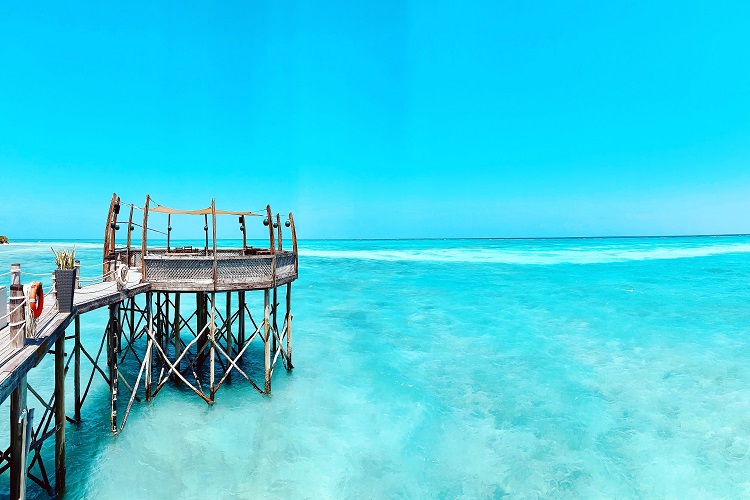
- Zanzibar & Coastal Islands: Better grid access and stronger Wi-Fi in resorts and hotels; boutique lodges may still throttle speeds during peak usage.
- Kenya’s Mara, Namibia, Botswana, Zambia, South Africa: Pattern is similar—main-area Wi-Fi is common; remote concessions use solar + inverter + generator. In South Africa, grid power is widespread but can be load-shed; quality lodges mitigate with batteries/inverters.
How Electricity Works in Lodges & Camps
- Solar + Battery (Inverter Systems): Most eco-forward camps use sizable solar arrays that charge lithium/AGM batteries. Guests typically have 24/7 low-draw power in tents or at central charging stations (for phones, cameras, laptops), but no hair dryers/kettles in tents.
- Generator (Scheduled): Diesel generators top up batteries or provide power at set times (e.g., 05:30–10:00 and 17:30–23:00). Quiet hours protect the environment and the “bush at night” ambiance.
- Grid-Connected: Properties near towns or on the rim (e.g., Ngorongoro) may use the grid plus inverters for seamless supply. Still expect appliance restrictions to protect circuits.
- In-Tent vs Central Charging: Remote camps may centralize charging in the lounge to reduce draw and fire risk. Higher-end mobile or permanent camps often provide in-tent universal sockets/USB for low-watt devices.
- Voltage & Frequency: Typically 220–240V, 50Hz. Always use a quality universal adapter and consider a small travel surge protector for sensitive camera gear.
Wi-Fi: What to Expect (Reality Check)
- Main-Area Wi-Fi: Most properties place routers in the lounge or dining area. Signal rarely covers every tent/room, especially under heavy thatch or in forested sites.
- Backhaul Types:
- Cellular (3G/4G/LTE): Fastest when signal is strong; can slow at peak times or weather events.
- Satellite (VSAT/Starlink): Expanding coverage; good for messaging, email, basic browsing. Latency can hinder video calls.
- Fair-Use Policies: Expect bandwidth caps or time limits. Large downloads, cloud backups, and streaming may be blocked to keep basic services functional for all guests.
- Video Calls & Remote Work: Possible in some lodges close to towns or with strong 4G/Starlink. In remote parks, assume no reliable video calls; plan asynchronous work and offline maps/files.
- Security: Public lodge networks are shared; avoid sensitive transactions or use a trusted VPN.
Why Choose Lodges/Camps with Managed Power & Wi-Fi
- Reliability for Essentials: Keep cameras, phones, GPS, and medical devices charged without carrying bulky power stations.
- Balance of Comfort & Wilderness: Enjoy modern conveniences while preserving the quiet, dark-sky atmosphere of the bush.
- Sustainability: Solar-first systems, batteries, and efficient inverters reduce generator hours and emissions.
- Productivity & Peace of Mind: Light connectivity supports check-ins with family or work without dominating your safari time.
- Safety: Properly engineered electrical setups, trained staff, and fire-safe charging protocols.
Inclusions & Exclusions (Power & Wi-Fi)
- Common Inclusions: Access to charging points (central or in-room), standard 220–240V sockets or universal outlets, Wi-Fi in main areas, basic support for phones/cameras/laptops, limited lighting in tents/rooms.
- Sometimes Included: USB charging ports, bedside reading lights, limited in-room power 24/7 via inverters, shared power strips, emergency charging for medical devices.
- Common Exclusions: High-draw appliances (hair dryers, irons, kettles), streaming-level Wi-Fi, large file uploads/cloud backups, private routers or dedicated bandwidth, and charging drones without prior approval.
- Paid or On-Request: Satellite internet top-ups, premium Wi-Fi packages, special battery arrangements for CPAP/medical equipment, or dedicated charging lockers.
What to Pack (Power & Connectivity Kit)
- Universal travel adapter supporting UK-type three-pin and other regional plugs.
- Compact power strip (non-surge for inverters) plus a small inline surge protector for camera gear.
- High-capacity power bank (20,000–30,000 mAh) and a lightweight USB-C PD charger.
- Spare camera batteries & memory cards; charge whenever power is available.
- eSIM or local SIM for areas with 4G coverage; pre-download offline maps, playlists, reading.
- CPAP users: Consult your operator; bring a certified external battery compatible with your device.
Responsible & Safe Usage
- Honor quiet hours and charging policies; unplug high-draw devices.
- Charge in designated areas; never leave batteries on bedding or in direct sun.
- Use surge protection for laptops/cameras; keep liquids away from sockets.
- Respect bandwidth fairness: avoid streaming/backups; prioritize essential tasks.
Booking Checklist: Questions to Ask Your Operator
- Is power 24/7 or on a schedule? In-tent sockets or central charging only?
- What plug types do you use? Do you provide universal adapters or should I bring my own?
- Do you support CPAP or other medical devices? Can you guarantee overnight power?
- Is Wi-Fi free, paid, or capped? Where is it available (lounge/rooms)?
- Do you allow charging of drones or other high-draw devices? Any restrictions?
- What’s the backup plan during outages (extra batteries, generator, alternative network)?
FAQs
Do lodges/camps have electricity?
Yes. Most offer electricity via solar + batteries, generator schedules, or grid. Low-draw charging is almost always possible; heavy appliances are typically restricted.
Is Wi-Fi available?
Often yes, in main guest areas. Bandwidth can be limited—good for messaging and email; streaming and video calls are not guaranteed, especially in remote camps.
Can I charge my camera, phone, and laptop?
Yes. Bring a universal adapter, USB hubs, and power banks. Many camps provide communal charging stations or in-room outlets for low-draw devices.
Are hair dryers or irons allowed?
Usually not in rooms/tents because they can overload inverter systems. Some lodges may offer a salon-grade dryer in a powered back-of-house area on request.
What plug type and voltage should I expect?
Commonly 220–240V, 50Hz. Many East African properties use UK-style three-pin (Type G). Bring a quality universal adapter.
Is electricity available 24/7?
Sometimes. Many camps provide 24/7 low-draw power via inverters but run generators at set times. Ask for the exact schedule.
Can I work remotely on safari?
Light tasks (email, messaging, docs) are often fine. For video calls or large uploads, choose properties near towns or with strong 4G/Starlink and confirm ahead.
Do you support CPAP machines?
Many operators can provide a tent with guaranteed overnight power or arrange a dedicated battery. Notify them well in advance with your device specs.
Will I have Wi-Fi in my room/tent?
Not always. Expect Wi-Fi mainly in lounges/dining areas; in-room coverage is less common in remote bush camps.
Is mobile phone coverage available?
Varies by park and camp location. Expect stronger signals near towns and ridgelines; weaker or no signal deep in remote concessions.
Can I charge a drone?
Only with permission. Some parks restrict drones; camps may deny charging to comply with regulations or protect guest privacy.
Are there quiet hours?
Yes—especially in generator-assisted camps. Quiet hours preserve the night soundscape and help wildlife; plan your charging accordingly.
How can I prepare for limited bandwidth?
Download offline maps, playlists, reading, and work files. Schedule cloud backups for after the trip. Use text-first apps and disable auto-updates.
Is there a risk to my electronics?
Use a small surge protector and avoid charging during storms. Keep devices away from moisture, dust, and heat; use padded cases for drives and lenses.
Do lodges provide adapters?
Some do, but availability is limited. Bring your own universal adapter and a compact power strip.
Can families rely on Wi-Fi for kids’ entertainment?
Plan for offline entertainment (downloads, books, games). Wi-Fi may not support streaming at peak times.
What about EV charging?
Rare in remote safari areas. If self-driving an EV near towns, confirm charging options well in advance.