Is Water Safe to Drink in Tanzania?
Article Highlights
- Tap water is generally not recommended for visitors to drink; use sealed bottled, filtered, or boiled water—including for brushing teeth.
- High-quality hotels and safari lodges often provide treated drinking water or refill stations; always confirm the source.
- Best purification methods: boiling, filtration (0.1–0.2 micron for bacteria/protozoa), and chemical or UV for viruses; combining methods offers added safety.
- Avoid ice, tap-water–washed salads, and unpeeled fruits unless the water source is verified safe.
- Special notes by destination: Zanzibar, Arusha/Moshi (Kilimanjaro area), Dar es Salaam, safari parks, and lakes/rivers each have different water considerations.
- Carry a reputable filter bottle or compact purifier to reduce plastic and ensure access to safe water everywhere.
Understanding Water Sources & Risks
Tanzania’s water infrastructure varies by city, coast, island, and rural/safari areas. Even where municipal systems chlorinate water, distribution variability, aging pipes, and intermittent pressure can allow contaminants to enter. Risks include bacteria, protozoa, and, less commonly, viruses. For travelers with limited immunity to local pathogens, conservative precautions greatly reduce the chance of gastrointestinal illness.
Safe Drinking Options (Ranked by Practicality)
- Sealed Bottled Water: Widely available in 500 ml–1.5 L sizes. Check the safety ring under the cap is intact. Prefer reputable brands and buy from supermarkets, hotels, or lodges. Consider larger jerrycans for group use to reduce plastic.
- Boiled Water: Bring to a rolling boil for at least 1 minute (or 3 minutes above ~2,000 m—useful on the crater rim/highlands). Cool in a clean, covered container.
- Filtration: Use a 0.1–0.2 micron hollow-fiber or equivalent filter to remove bacteria and protozoa. If virus protection is desired, follow with chemical drops/tablets or a UV treatment.
- Chemical Disinfection: Chlorine or iodine tablets/drops work best in clear water; allow the full contact time (often 30 minutes). Iodine is not suitable for long-term use, certain thyroid conditions, or during pregnancy.
- UV Purifiers: Compact devices (e.g., wand-style) neutralize microorganisms in clear water; stir thoroughly and follow device timing exactly. Pre-filter turbid water first.
Food, Ice & Beverage Safety
- Ice: Decline ice unless the venue confirms it’s made from purified water.
- Salads & Raw Produce: Choose cooked foods when unsure; eat fruits you can peel yourself.
- Street Juices & Shakes: These may be diluted with tap water or made with unsafe ice—ask, or avoid.
- Hot Drinks: Tea and coffee are generally safe if made with boiled water; avoid adding unsafe ice.
- Brushing Teeth: Use the same safe water you drink.
Destinations: What to Expect by Location
- Dar es Salaam & Coastal Cities: Large hotels may provide treated water and bottled water in rooms; still prefer bottled/filtered for drinking and teeth brushing.
- Arusha & Moshi (Kilimanjaro): Tourist infrastructure is good, but take the usual precautions; bring or request safe water for day trips and treks.
- Ngorongoro & Northern Safari Circuit: Lodges and camps typically supply safe drinking water (bottled or filtered). Verify refill stations before filling your bottle.
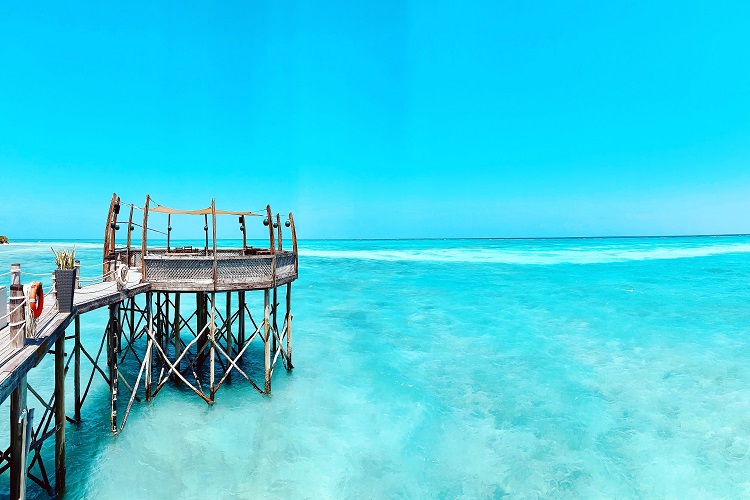
- Zanzibar (Unguja & Pemba): Many resorts use desalination or in-house treatment, yet the conservative rule is to drink bottled/filtered water and verify ice/washing practices.
- Lake Regions (e.g., Victoria, Tanganyika): Avoid drinking untreated lake/river water and avoid swimming or wading in freshwater due to parasite risk. Stick to bottled/treated water.
- Rural & Remote Areas: Carry a filter bottle and chemical drops as backup; do not rely on taps or wells unless you can treat the water yourself.
Why We Recommend These Water Practices
- Risk Reduction: Simple habits (sealed bottles, boiling, filtration) sharply cut the chance of traveler’s diarrhea and interruptions to your trip.
- Consistency: Standards vary between regions and properties; your own purifier gives you control everywhere.
- Sustainability: Refill from verified stations or boil/filter to reduce plastic waste.
- Convenience: A compact filter bottle or UV device fits in a daypack and works on excursions and game drives.
Hygiene & Daily Routine Tips
- Wash or sanitize hands before meals and after bathrooms; keep sanitizer in your daypack.
- Keep a labeled bottle of safe water near the sink for teeth brushing.
- If you have a sensitive stomach, avoid buffets sitting at room temperature; choose freshly cooked items.
- Carry oral rehydration salts (ORS) in your first-aid kit; start hydration early if you feel unwell and seek medical advice for severe or persistent symptoms.
Equipment Checklist for Safe Water
- Insulated, reusable bottle (1–1.5 L) + spare collapsible bottle.
- Personal filter bottle or pump/gravity filter (0.1–0.2 micron) with backflush capability.
- Chlorine/NaDCC or iodine tablets as a compact backup; know contact times.
- UV purifier (optional) for viral coverage in clear water.
- Lightweight kettle or immersion heater (optional), especially where power is reliable.
Inclusions & Exclusions (What Properties/Operators Commonly Provide)
Typical Inclusions
- Complimentary sealed bottled water in rooms and vehicles (daily allocation varies).
- Refill stations with filtered/purified water at many lodges and reputable hotels.
- Boiled water on request for baby formula, tea/coffee, or refill.
- Briefing on the property’s water source and safety practices.
Typical Exclusions / What to Confirm
- Unlimited premium bottled water may not be included; clarify daily allocations or refill policies.
- Ice source: not always from purified water—verify before ordering iced drinks.
- Raw salads and rinsed fruits: confirm they’re washed with purified water or opt for cooked/peeled items.
- Personal purification gear (filters, tablets, UV) is usually not provided—bring your own.
Environmental Considerations
- Favor refill stations and bring your own bottle to reduce single-use plastic.
- Buy larger water containers to decant into personal bottles for road trips.
- Pack out bottles from remote areas when disposal options are limited.
Special Situations
- Babies & Formula: Use boiled and cooled or sealed sterile water; maintain scrupulous bottle hygiene.
- Trekkers/Highlands: Above ~2,000 m, boil for 3 minutes. Carry extra purification backup on routes around Ngorongoro and high-elevation areas.
- Divers/Beachgoers: Saltwater swimming is fine; avoid ingesting seawater and confirm resort ice is purified.
- Long Road Transfers: Stock sufficient safe water before departure; confirm refill points with your operator.
FAQs
Is tap water safe to drink in Tanzania?
For visitors, it’s safest to assume no. Drink sealed bottled, filtered, or boiled water.
Is hotel tap water safe for brushing teeth?
Use the same safe water you drink—bottled, filtered, or boiled and cooled.
Can I drink beverages with ice?
Only if the venue confirms the ice is from purified water. Otherwise, ask for no ice.
Are salads safe?
They’re safe if washed with purified water. When unsure, choose cooked food and peel fruit yourself.
Is Zanzibar different from the mainland?
Many resorts treat or desalinate water, but the conservative traveler rule remains: drink bottled/filtered water and verify ice/washing practices.
What’s the most reliable purification method?
Boiling is highly reliable. For portability, use a 0.1–0.2 micron filter and consider chemical/UV as a second step.
How long do I boil water?
1 minute at a rolling boil; 3 minutes above ~2,000 m elevation.
Do I need virus protection?
Filters remove bacteria/protozoa; add chemical or UV if viral coverage is a priority, especially where sources are uncertain.
Is bottled water easy to find?
Yes—common in cities, towns, airports, and lodges. Carry extra for long drives.
What about freshwater swimming?
Avoid swimming or wading in lakes/rivers due to parasite risk. Ocean swimming is fine; avoid ingesting water.
I got an upset stomach—what now?
Hydrate with safe fluids, use oral rehydration salts, rest, and seek medical care for high fever, blood in stool, or prolonged symptoms.
Can I use tap water for making tea/coffee?
If it’s properly boiled, it’s generally safe for hot drinks.
Are refill stations trustworthy?
Many reputable lodges and hotels operate quality filtration; ask how water is treated and use your judgment.
Do restaurants provide safe water?
Most mid-range and upscale venues provide sealed bottles; verify the seal and ask about ice.
Should I bring a filter bottle?
Yes—it adds independence, reduces plastic, and is invaluable in remote areas.
What if I run out of safe water?
Boil available water if possible; otherwise, filter then chemically disinfect or use UV per device instructions.
Is it safe to cook with tap water?
For foods thoroughly boiled/cooked, risk is reduced. For rinsing/soaking uncooked items, use purified water.
Will my tour operator include water?
Often yes (daily allocations or refills). Confirm quantities and refill options in advance.
Any medical prep before travel?
Discuss routine vaccines and personal health with your clinician; pack a small GI kit and ORS.