Moshi, Tanzania
-
 +255 742 596 234
  generoustours43@gmail.com





 Moshi, Tanzania +255 742 596 234 generoustours43@gmail.com
Discover whether walking safaris are offered in Serengeti and Tarangire National Parks. Learn about highlights, destinations, inclusions, exclusions, and FAQs in this detailed guide.
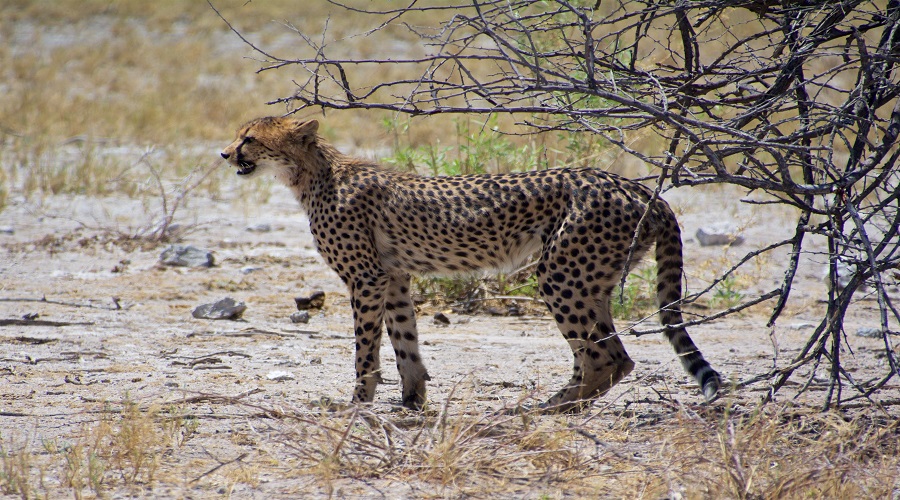
Walking safaris in Tanzania provide a rare opportunity to leave the vehicle behind and explore nature on foot. Unlike traditional game drives, these safaris allow you to immerse yourself in the sights, sounds, and scents of the wilderness at ground level. Serengeti and Tarangire are among the top destinations in Tanzania where carefully guided walking safaris are available, designed for travelers who want to connect deeply with nature, wildlife, and culture.
Walking safaris are a specialized type of safari where visitors explore wildlife areas on foot, accompanied by armed guides and expert trackers. Unlike vehicle-based safaris, they allow you to appreciate the smaller details of the ecosystem—plants, insects, animal tracks, and even the subtle changes in the environment. They are designed to be safe yet adventurous, bringing a sense of authenticity and connection to nature that cannot be replicated by a jeep tour.
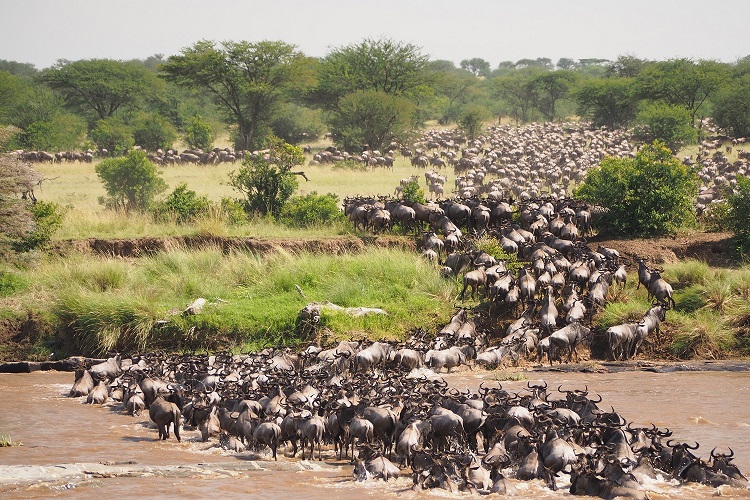
The Serengeti, famous for its endless plains and the Great Migration, allows walking safaris only in designated areas. These are usually around the Serengeti National Park’s peripheral zones and in private concessions bordering the park. Because Serengeti is highly protected, the walks are tightly regulated. Typically, they focus on morning or late-afternoon walks where you can spot zebras, wildebeest herds, giraffes, and even predators from a safe distance. Guides emphasize tracking skills, animal behavior, and survival stories of the savannah.
Tarangire National Park, on the other hand, is more relaxed in terms of walking safari regulations. Known for its ancient baobab trees and large elephant herds, Tarangire offers more freedom for guided walks. Walking here is particularly rewarding because of the park’s diverse birdlife, seasonal swamps, and less crowded landscapes compared to Serengeti. The Tarangire River acts as a lifeline for wildlife, making it easier to encounter elephants, antelopes, and predators during guided walks.
Yes, walking safaris are safe when conducted with licensed guides and armed rangers. The routes are carefully chosen to minimize risks while maximizing wildlife encounters.
Most walking safaris require participants to be at least 12–16 years old, depending on the park and operator, due to safety regulations.
The dry season (June to October) is ideal because vegetation is thinner, wildlife is concentrated around water sources, and walking trails are easier to navigate.
Walking safaris usually involve light to moderate walks of 2–5 hours. Basic fitness is sufficient, but multi-day walking expeditions may require more stamina.
Both are rewarding in different ways. Serengeti offers the chance to walk in one of the world’s most iconic landscapes with potential migration views, while Tarangire provides a quieter, more intimate walking safari with excellent elephant and bird sightings.
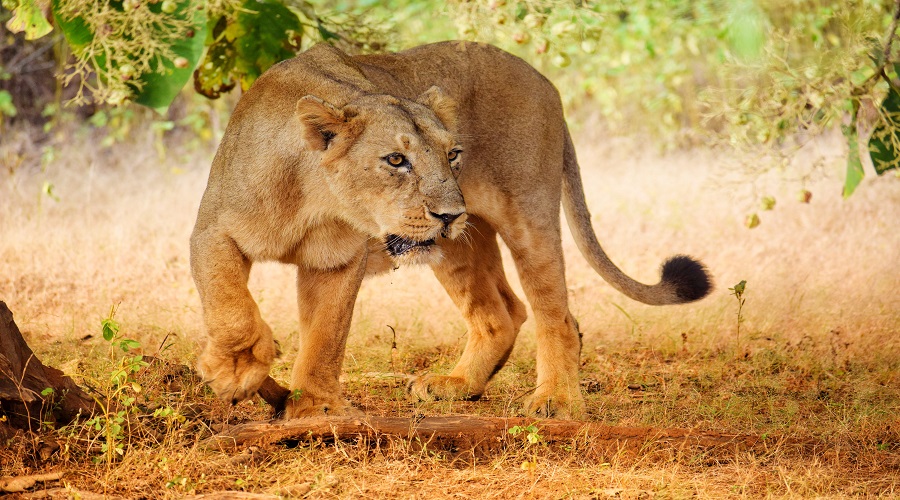
Serengeti National Park

Ngorongoro Crater
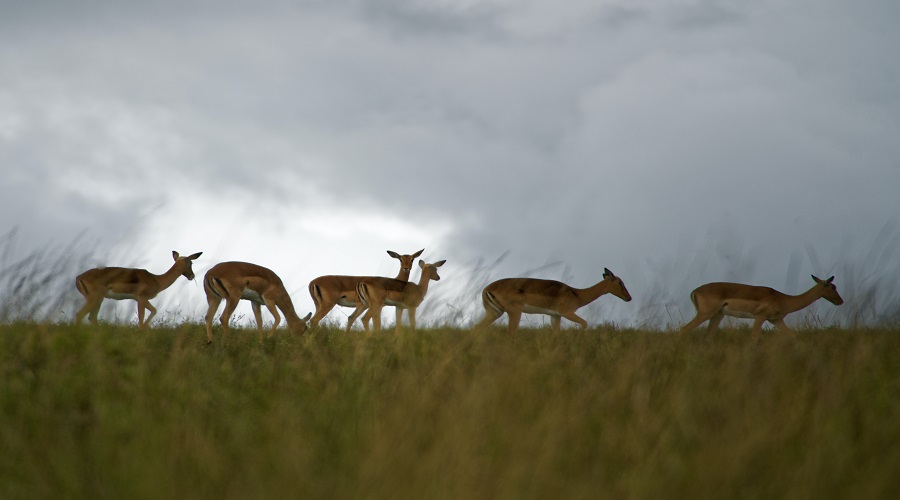
Lake Manyara
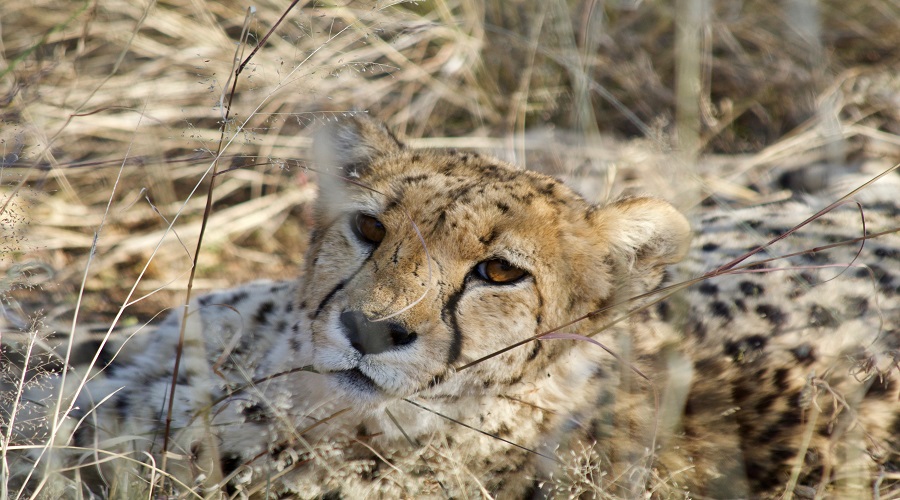
Tarangire National Park