Introduction: The Thrill and Safety of Wild Camping
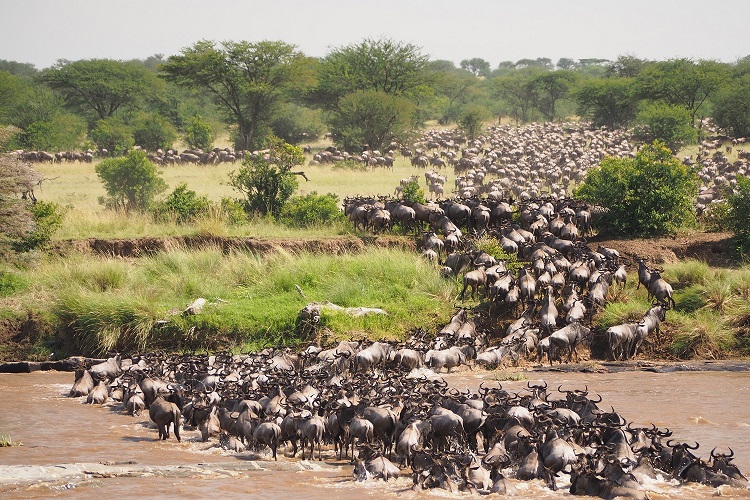
Camping in the African wilderness allows travelers to experience the Serengeti, Tarangire, or Ngorongoro up close. Waking up to the sounds of wildlife and sleeping under the stars is unforgettable. Despite the adventure, safety is paramount. With professional guides, secure campsites, and adherence to park rules, camping in the wild is both thrilling and safe for visitors.
Types of Wild Camping in Tanzania
Guided Luxury or Semi-Luxury Camps
- Fully staffed camps with tents, bedding, meals, and security.
- Often located in wildlife-rich areas with secure perimeters.
- Guides manage all interactions with animals and supervise night security.
Budget and Tent Camping
- Basic tents with essential amenities.
- Staffed by experienced rangers or guides for safety.
- Provides an immersive wilderness experience at lower cost.
Remote or Community Campsites
- Located in less-developed areas, often near villages or under conservation supervision.
- Requires strict adherence to park rules and guide instructions.
- Ideal for adventurers seeking a deeper wilderness connection.
Safety Precautions for Camping in the Wild
Wildlife Awareness
- Always stay inside the designated campsite at night.
- Do not approach or feed wildlife; maintain a safe distance.
- Follow your guide’s instructions at all times to avoid encounters with dangerous animals.
Secure Campsites
- Camps are often fenced or strategically located to reduce animal encounters.
- Staff monitor the area, particularly at night, for wildlife or intruders.
- Emergency protocols are in place for any incidents.
Personal Safety
- Do not leave food or scented items in tents; use provided storage.
- Carry a flashlight or headlamp at night.
- Travel in groups during short walks outside the campsite.
Health and Hygiene Considerations
- Bring insect repellent to prevent mosquito bites and insect-borne diseases.
- Use clean drinking water provided by the camp or purified independently.
- Follow basic hygiene practices to prevent illness in remote areas.
Role of Guides and Rangers
- Experienced guides provide 24/7 support and knowledge about local wildlife behavior.
- Rangers may patrol campsites and surrounding areas to ensure safety.
- Guides also handle emergencies and provide first aid if needed.
Seasonal Considerations
Dry Season (June–October)
- Easier access to remote areas and lower risk of flooding or muddy terrain.
- Wildlife congregates near water, making it easier to spot but requiring vigilance.
Wet Season (March–May, November–December)
- Lush landscapes and fewer tourists offer a unique camping experience.
- Wet conditions may make roads slippery and campsite setup more challenging.
- Guides ensure camps are placed in safe, dry, and secure locations.
Benefits of Camping in the Wild
- Immersive experience in the heart of nature and wildlife.
- Opportunity for sunrise and sunset photography within the park.
- Closeness to game-rich areas that lodges may not reach.
- Enhanced cultural interactions when camping near community areas.
Conclusion: Wild Camping Is Safe with Proper Guidance
Camping in the wild during a Tanzania safari is safe when done under the supervision of professional guides, secure campsites, and adherence to park rules. Awareness of wildlife, proper hygiene, and following safety protocols ensures an exciting yet secure experience. Wild camping offers unparalleled opportunities to connect with nature, witness wildlife, and enjoy the serenity of Tanzania’s iconic landscapes.
Additional Advice
Always follow your guide’s instructions, keep a safe distance from animals, and prepare with proper camping gear and safety equipment. With the right precautions, wild camping can be one of the most memorable and rewarding experiences of your safari.