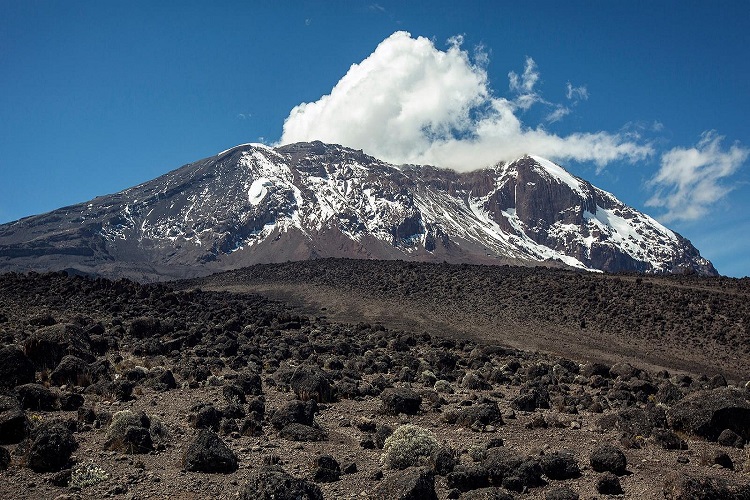
How Safe Are Night Safaris in Tanzania? A Complete Guide 2025

Learn about the safety of night safaris in Tanzania. Explore highlights, destinations, safety measures, inclusions, exclusions, and FAQs in this in-depth guide.
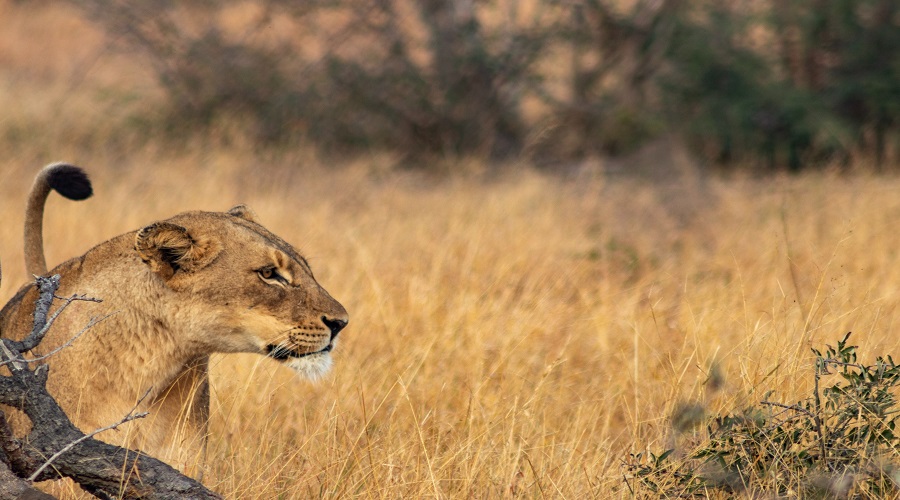

how safe are night safaris in tanzania

(General Overview - Generous African Tours & Safaris)

Night safaris in Tanzania offer travelers a rare opportunity to witness nocturnal wildlife and unique animal behaviors under the stars. However, safety is often a major concern for visitors considering this adventure. This article provides a comprehensive look into how safe night safaris in Tanzania are, the measures taken to protect guests, what to expect, and the benefits of choosing this extraordinary safari experience.


How Safe Are Night Safaris in Tanzania?

Article Highlights

  • Night safaris reveal Tanzania’s nocturnal wildlife such as leopards, hyenas, civets, bush babies, and porcupines.
  • Strict safety measures are followed, with professional guides, regulated vehicles, and approved routes.
  • Only selected parks and private conservancies in Tanzania allow night drives.
  • Well-maintained 4x4 vehicles, spotlights, and radio systems ensure safety and visibility in the wild.
  • A night safari offers travelers a once-in-a-lifetime adventure, completely different from daytime game drives.

Destinations for Night Safaris in Tanzania

Not all Tanzanian parks allow night safaris because of conservation rules. Those that do offer them are carefully chosen to balance tourism with wildlife protection. Top destinations include:

  • Lake Manyara National Park – Famous for tree-climbing lions and large elephant herds, it is among the few national parks officially authorized for night safaris. Its varied habitats make it excellent for spotting nocturnal species.
  • Tarangire National Park – Known for its massive baobab trees and elephant populations, Tarangire transforms at night with predators on the prowl and smaller mammals emerging.
  • Private Conservancies (around Serengeti & Ngorongoro) – Exclusive lodges and camps within private concessions allow night safaris, giving guests a more intimate and flexible experience.
  • Selous Game Reserve (Nyerere National Park) – A vast wilderness where visitors can combine day and night game drives, often with fewer crowds than northern circuit parks.

These destinations are regulated and provide controlled environments that keep both wildlife and tourists safe.

Why Night Safaris Are Safe in Tanzania

Night safaris may sound intimidating, but they are safe when conducted through licensed operators. Here’s why:

  • Expert Guidance – Guides undergo extensive training to interpret animal behavior, ensuring tourists are never placed in risky situations.
  • Specially Designed Vehicles – Sturdy 4x4 vehicles are fitted with high-powered spotlights, reinforced bodywork, and radio communication with nearby lodges and rangers.
  • Strict Government Regulations – Only approved areas allow night safaris. Drivers follow strict speed limits and routes to minimize disruption to animals and ensure passenger safety.
  • Prohibited Walking – Unlike some bush walks during the day, night safaris are vehicle-only activities to prevent close encounters with predators.
  • Emergency Support – Operators have protocols in place, from first-aid kits to medical evacuation partnerships, ensuring quick response in case of emergencies.

Because of these precautions, night safaris in Tanzania are widely considered safe for both beginners and experienced safari-goers.

Why Choose a Night Safari?

While daytime game drives are popular, a night safari offers a different kind of adventure. Here’s why travelers choose them:

  • Nocturnal Wildlife Encounters – From leopards on the hunt to tiny bush babies leaping between trees, many species are only active after dark.
  • Predator Activity – Lions, hyenas, and leopards are more active hunters at night, giving guests rare glimpses of survival behaviors.
  • Immersive Atmosphere – The African night sky, filled with stars, combined with the sounds of crickets, frogs, and distant roars, creates an unforgettable mood.
  • Exclusive Experience – Because fewer people go on night safaris, the drives often feel private and more intimate.
  • Educational Value – Guides use spotlights and tracking skills to reveal hidden details, teaching visitors about nocturnal animal adaptations.

Traveler Safety Tips

Although night safaris are safe when conducted with licensed operators, travelers can enhance their safety and enjoyment by following these guidelines:

  • Always listen carefully to your guide’s instructions.
  • Remain inside the vehicle at all times during the drive.
  • Avoid wearing bright or reflective clothing that could distract animals.
  • Carry a light jacket as nights in Tanzania can become surprisingly cool, even in dry season.
  • Bring a camera with good low-light settings if you want quality night photography.
  • Refrain from making loud noises or sudden movements that may startle wildlife.

Inclusions

Most night safari packages in Tanzania include:

  • Professional guide and driver.
  • Specialized 4x4 safari vehicle with spotlights and safety features.
  • All required park entry fees and permits.
  • Pickup and drop-off from lodge or camp.
  • Emergency communication equipment and first-aid kits.
  • Refreshments or snacks (depending on lodge).

Exclusions

Travelers should budget for items not typically included:

  • International and domestic flights to Tanzania.
  • Personal travel insurance (strongly recommended).
  • Alcoholic beverages and luxury drinks.
  • Tips or gratuities for guides and staff (customary but optional).
  • Souvenirs or personal purchases made during the trip.

Frequently Asked Questions (FAQs)

1. Are night safaris safe for children?

Yes, but lodges may have age restrictions (often minimum 6–12 years old) due to late-night hours and wildlife encounters. Parents should confirm with the safari operator in advance.

2. What animals can I see during a night safari?

Common sightings include leopards, hyenas, civets, genets, bush babies, porcupines, and owls. Occasionally, large herbivores such as elephants, giraffes, or buffalo may also appear under moonlight.

3. Do I need special equipment?

No, all essential equipment is provided by operators. However, binoculars with night vision capability or cameras with strong low-light performance can enhance your experience.

4. Can night safaris be dangerous?

While no wildlife activity is without risk, strict safety measures, professional supervision, and regulated operations make night safaris in Tanzania very safe for tourists.

5. Are night safaris available in the Serengeti?

No, night safaris are not permitted within Serengeti National Park itself, but private conservancies around the park do allow them.

6. What is the best time of year for a night safari?

Night safaris can be done year-round. However, during the dry season (June to October), visibility is better, and animals are easier to find around water sources. Wet season (November to May) offers lush landscapes and more active insect and birdlife.

7. Is travel insurance necessary for a night safari?

Yes, comprehensive travel insurance is strongly recommended. Although safaris are safe, insurance provides protection against unexpected events such as medical emergencies or trip delays.

Book Your Tour

Book With Us

Our Best Tours In Tanzania

Generous Tours

4 Days Tanzania Great Serengeti Migration Safari

4 days
Tanzania
Generous Tours

4 Days zanzibar Holiday & Vacation Tours

4 Day
Zanzibar
Generous Tours

5 Days Marangu Route Kilimanjaro Climbing

5 Day
Kilimanjaro
English