Group Safari Size in Tanzania and Beyond – Everything You Need to Know 2025

Find out how many people can join a group safari, the benefits of shared adventures, typical group sizes, destinations, inclusions, exclusions, and FAQs.

how many people can join a group safari

(General Overview - Generous African Tours & Safaris)

Group safaris are a popular and affordable way to enjoy wildlife adventures in Tanzania and other African destinations. The number of participants in a group safari varies depending on the type of safari, vehicle size, itinerary, and operator policy. This article explains in detail the average group sizes, benefits of joining a shared safari, key destinations, what is included and excluded in such packages, and answers the most common questions travelers ask.


How Many People Can Join a Group Safari?

Group safaris are among the most popular and cost-effective ways for travelers to experience Tanzania’s breathtaking wildlife, dramatic landscapes, and cultural heritage. Unlike private safaris, where an individual or family reserves the entire vehicle and sets a customized itinerary, group safaris bring together different travelers who share the same vehicle, guide, and accommodation arrangements. This format allows people from all over the world to connect and enjoy the safari together while reducing costs through shared expenses.

One of the most important questions travelers ask is: “How many people can actually join a group safari?” The answer is not one-size-fits-all. Group sizes vary depending on the operator, type of safari vehicle, style of safari (budget, mid-range, or luxury), and destination. Understanding the dynamics of group size is crucial, as it directly affects comfort, flexibility, social interaction, and the overall safari experience.

Article Highlights

  • Typical safari vehicles in Tanzania seat 6–7 passengers, each with a guaranteed window seat for optimal game viewing and photography.
  • Smaller groups (4–5 travelers) offer a more intimate and flexible safari experience with closer interaction with guides.
  • Larger groups (12–20 travelers) are common for student groups, corporate trips, or special interest tours and usually travel in multiple vehicles.
  • Destinations include Tanzania’s famous Northern Circuit parks—Serengeti, Ngorongoro, Tarangire, and Lake Manyara—plus options for Southern Circuit safaris.
  • Group safaris are budget-friendly but still include accommodation, meals, professional guides, and park entry fees.
  • Exclusions typically include international flights, visas, optional activities, personal expenses, and gratuities.

Destinations Covered in Group Safaris

Group safaris in Tanzania typically follow the Northern Safari Circuit, which is home to some of Africa’s most iconic destinations:

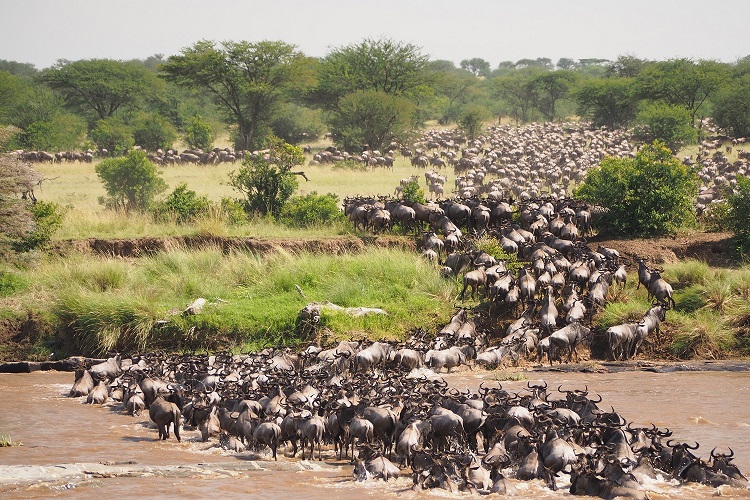
  • Serengeti National Park: Famous for the Great Migration of wildebeest and zebras, as well as its large lion population and endless savannahs.
  • Ngorongoro Crater: A UNESCO World Heritage Site, this volcanic caldera shelters an incredible density of wildlife including elephants, rhinos, lions, and hippos.
  • Tarangire National Park: Known for its giant baobab trees and massive herds of elephants, as well as a rich birdlife.
  • Lake Manyara National Park: A smaller but diverse park with tree-climbing lions, flamingos, and lush forests.

In addition, some operators offer itineraries to less-visited parks in the Southern Circuit, such as Ruaha and Nyerere (Selous), which provide a quieter and more remote safari experience. Group sizes to these regions may be smaller due to logistical factors and the remoteness of the parks.

Typical Group Size Explained

Group safari sizes are carefully planned to balance cost efficiency, guest comfort, and wildlife viewing opportunities. The main categories are:

  • Standard group safaris (6–7 passengers): This is the most common arrangement. Vehicles are designed with window seats for everyone and a pop-up roof for unobstructed viewing. This size maintains affordability while still ensuring comfort.
  • Small group safaris (4–5 passengers): These provide a more personalized experience with fewer travelers, giving participants more space, quicker boarding, and greater flexibility for photo stops. Often preferred by couples, families, or travelers looking for a balance between privacy and cost-sharing.
  • Large group safaris (12–20+ travelers): Best suited for organized groups such as schools, corporate retreats, photography clubs, or adventure organizations. These groups are split into multiple vehicles but follow the same itinerary, sharing meals and accommodations at the same lodges or camps.

The choice of group size influences the atmosphere of the safari. While smaller groups allow more interaction with the guide and faster decision-making when stopping for wildlife sightings, larger groups offer a social, lively environment and reduced costs.

Why Choose a Group Safari?

Group safaris are chosen by travelers for many reasons beyond affordability:

  • Affordability: Sharing the costs of guides, vehicles, fuel, and logistics makes safaris accessible to more people.
  • Social connection: They attract travelers from diverse backgrounds, creating opportunities to meet like-minded adventurers, share travel stories, and even form lifelong friendships.
  • Guided expertise: Experienced guides engage the group with insights on wildlife behavior, ecosystems, and local cultures, often sparking lively group discussions.
  • Convenience: Group safaris come with pre-planned itineraries that include major highlights, making them an excellent choice for first-time visitors.
  • Safety in numbers: Traveling with a group provides reassurance, especially for solo travelers or first-time visitors to Africa.

Advantages and Disadvantages of Different Group Sizes

Choosing the right group size depends on personal preference and travel goals:

  • Small groups (4–5 people):
    ✔ Advantages: More space per traveler, more personalized guiding, quieter atmosphere.
    ✘ Disadvantages: Slightly higher cost per person compared to larger groups.
  • Medium groups (6–7 people):
    ✔ Advantages: Affordable, social, and still manageable in terms of space and comfort.
    ✘ Disadvantages: Less flexibility if travelers have differing interests (e.g., photography vs. general sightseeing).
  • Large groups (12+ people):
    ✔ Advantages: Most economical, excellent for school trips or social groups, very lively atmosphere.
    ✘ Disadvantages: Less personal attention from the guide, longer waiting times, and reduced flexibility in game drives.

Inclusions of Group Safaris

While inclusions vary depending on the package level (budget, mid-range, or luxury), most group safaris typically include:

  • Transport in a custom 4x4 safari vehicle with pop-up roof for 360-degree viewing.
  • Services of a professional, English-speaking driver-guide.
  • National park entry fees, concession fees, and conservation charges.
  • Accommodation in lodges, tented camps, or camping sites (depending on package).
  • Daily meals, often full board (breakfast, lunch, dinner).
  • Bottled drinking water during game drives.

Exclusions of Group Safaris

Travelers should carefully review what is excluded to budget properly:

  • International flights to and from Tanzania.
  • Visa fees, travel insurance, and vaccinations.
  • Personal expenses such as drinks (alcoholic beverages, sodas), souvenirs, and laundry.
  • Optional or add-on activities (e.g., hot air balloon safaris, cultural visits not in the itinerary).
  • Gratuities for guides, drivers, and camp staff (usually recommended in USD).

Frequently Asked Questions (FAQs)

How many people can join a group safari?
Most vehicles seat 6–7 guests with guaranteed window seats, though some tours can accommodate smaller or larger groups.

Is everyone guaranteed a window seat?
Yes. Group safari vehicles are designed to seat only as many passengers as there are window seats, ensuring everyone has equal opportunities for photography and wildlife viewing.

Can I join as a solo traveler?
Absolutely. Solo travelers often prefer group safaris because they reduce costs and provide companionship during the trip.

Are group safaris suitable for families with children?
Yes. Families often find group safaris affordable, though some operators recommend private tours for younger children for greater flexibility.

Do group safaris include cultural visits?
Many group itineraries include optional stops at Maasai villages or cultural centers. However, participation is voluntary and sometimes requires a small extra fee.

What happens if not enough people book the group safari?
Policies vary. Some operators will run the safari with fewer participants, while others may reschedule or combine groups. Always check booking terms in advance.

What type of accommodation is included?
Group safaris can range from budget camping safaris (sleeping in tents) to mid-range or luxury lodges. The level of comfort depends on the chosen package.

Are meals included?
Most group safaris include three meals a day, though drinks (apart from bottled water) may cost extra.

Book Your Tour

Book With Us

Our Best Tours In Tanzania

Generous Tours

4 Days Tanzania Great Serengeti Migration Safari

4 days
Tanzania
Generous Tours

4 Days zanzibar Holiday & Vacation Tours

4 Day
Zanzibar
Generous Tours

5 Days Marangu Route Kilimanjaro Climbing

5 Day
Kilimanjaro
English