Moshi, Tanzania
-
 +255 742 596 234
  generoustours43@gmail.com





 Moshi, Tanzania +255 742 596 234 generoustours43@gmail.com
Learn how game drives are organized in Tanzania. Discover timings, destinations, safari vehicles, guides, inclusions, exclusions, and FAQs to prepare for an unforgettable African wildlife experience.
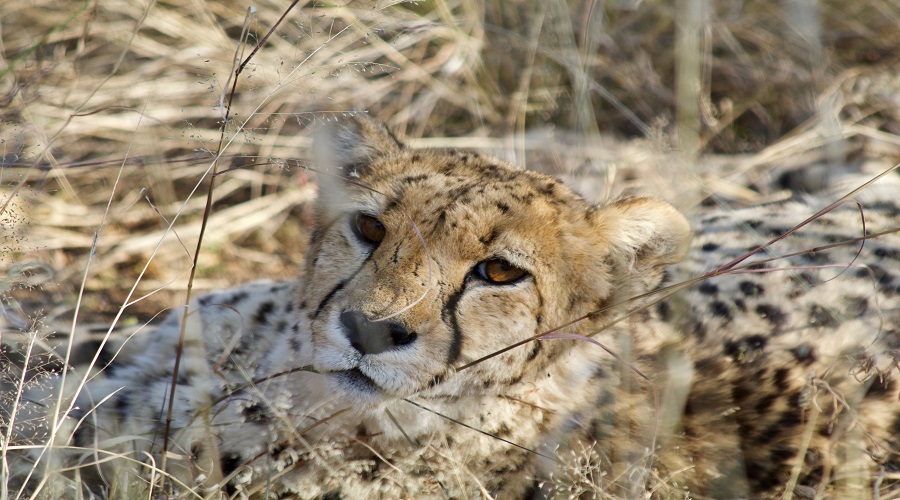
Game drives are the highlight of any safari in Tanzania, giving travelers the chance to witness wildlife in its natural habitat. They are carefully structured and organized to maximize animal sightings, guest comfort, and safety. Understanding how they work — from timing and destinations to vehicle setup, guides, rules, and inclusions — helps travelers know exactly what to expect. Below is a detailed breakdown of how safari game drives are organized and what makes them such a central part of Tanzania’s safari experience.
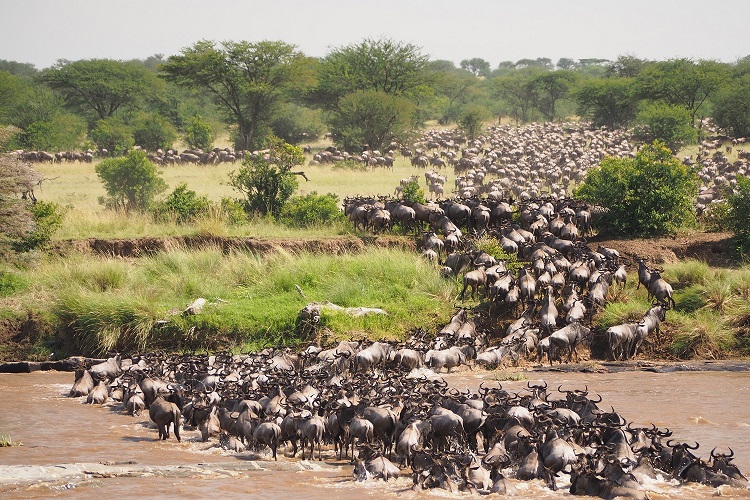
Tanzania is home to some of Africa’s most iconic safari destinations, and game drives are organized according to the landscapes, seasons, and wildlife concentrations of each location. The Serengeti National Park is famous for its open plains and the Great Migration, making it ideal for both short and extended drives. The Ngorongoro Crater offers a compact yet dense wildlife experience within the world’s largest unbroken caldera. Tarangire National Park is known for large elephant herds and baobab-dotted landscapes, while Lake Manyara National Park provides a chance to see tree-climbing lions and abundant birdlife. Each destination has its own rhythm and influences how drives are scheduled, the type of vehicles used, and the duration of excursions.
Game drives are typically scheduled for early morning and late afternoon when animals are most active. Morning drives usually start before sunrise to catch predators returning from a night hunt, while afternoon drives capture the golden light and often end with sundowners. Some lodges and camps also organize full-day drives, especially in the Serengeti, where covering long distances is necessary to find the Great Migration.
Safari vehicles are 4x4 land cruisers or open-sided trucks fitted with raised roofs or open canopies for maximum visibility. Guests are guided by professional driver-guides who are trained in tracking wildlife, ensuring safety, and providing in-depth knowledge about animal behavior and ecosystems. Drives are usually shared with other guests, but private game drives can be arranged for travelers seeking flexibility and privacy.
Safety and comfort are prioritized. Guests are briefed on rules such as remaining seated inside vehicles, keeping noise levels low, and not feeding animals. Game drives are paced to allow plenty of time for photography, observation, and sometimes quiet waiting near waterholes or migration crossings.
Organized game drives provide structured access to some of the richest wildlife ecosystems on the planet. Without them, travelers would struggle to navigate remote areas, spot animals effectively, or ensure safety. By joining organized drives, guests benefit from professional expertise, logistical support, and the knowledge of guides who know animal routines and best viewing spots. It also allows travelers to focus on the experience rather than worrying about planning routes or vehicle maintenance in the wild.
Morning and afternoon drives generally last between 3 to 4 hours each. Full-day drives can last up to 8 or 9 hours, with stops for meals and rest breaks.
Yes, but only in specific reserves or private concessions, as night drives are not allowed in all national parks. They offer a chance to see nocturnal species such as civets, bush babies, and leopards.
Group drives usually accommodate 6 to 8 guests per vehicle. Private drives can be arranged for couples, families, or photographers who need extra space.
Essentials include binoculars, a good camera, sunscreen, a hat, sunglasses, layered clothing, insect repellent, and a reusable water bottle.
Yes. As long as guests follow the safety instructions of their guides, game drives are very safe. Guides are trained in wildlife behavior and vehicles are designed to keep guests secure while still providing excellent viewing opportunities.
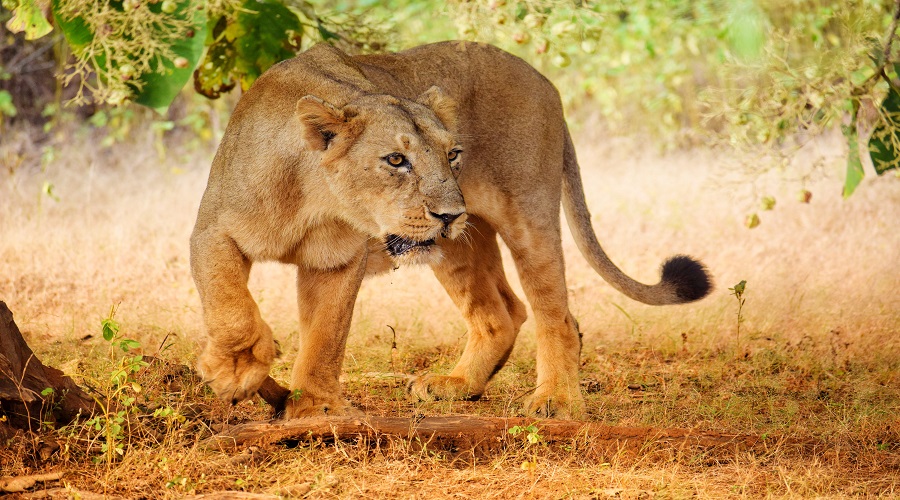
Serengeti National Park

Ngorongoro Crater
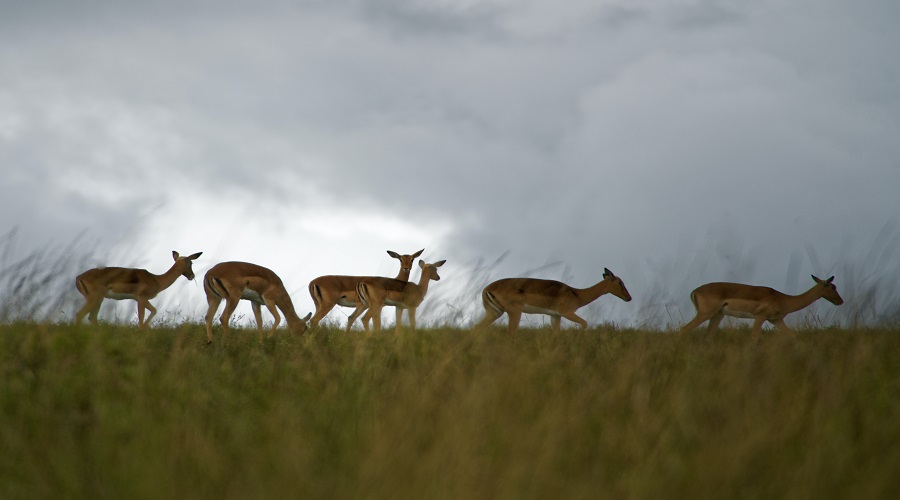
Lake Manyara
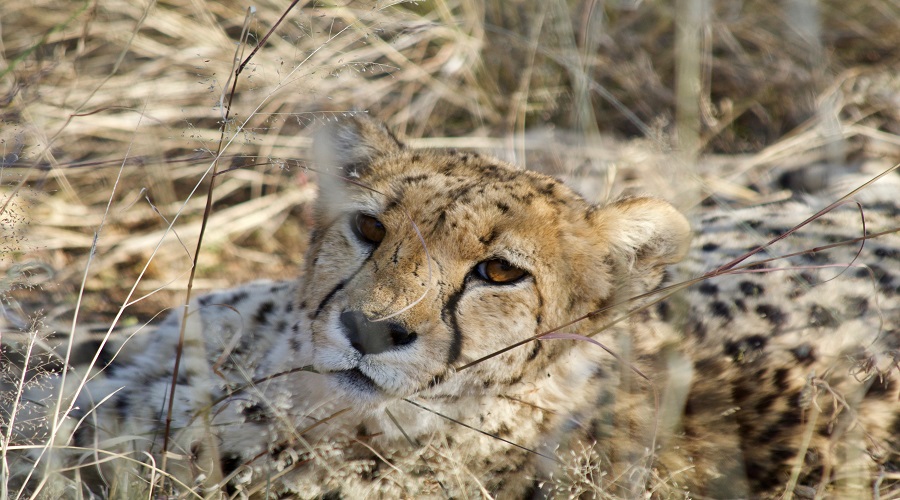
Tarangire National Park