Moshi, Tanzania
-
 +255 742 596 234
  generoustours43@gmail.com





 Moshi, Tanzania +255 742 596 234 generoustours43@gmail.com
Learn how to book a safari step by step with this detailed guide. Covers choosing destinations, safari types, tour operators, costs, inclusions, exclusions, and expert FAQs.
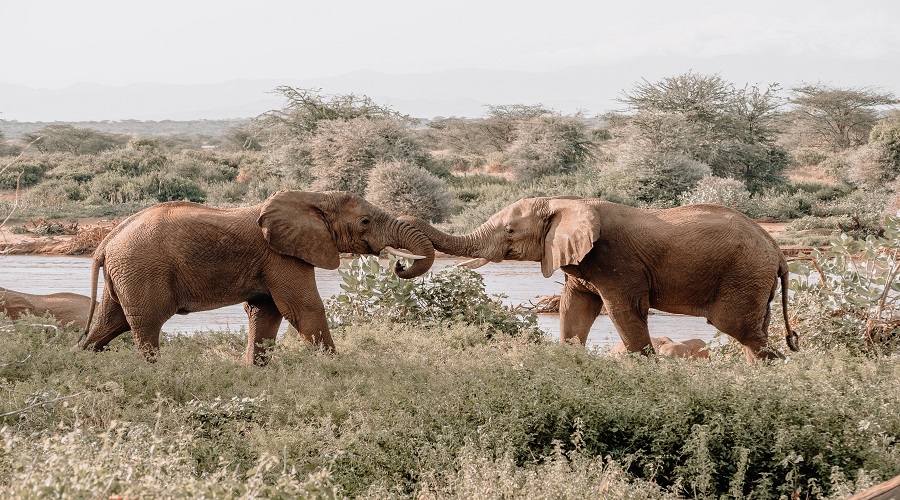
Booking a safari is an exciting process but it can feel overwhelming if you are unfamiliar with the steps. From deciding your preferred destination, understanding the types of safaris available, choosing a reliable tour operator, reviewing what’s included in the package, and preparing for the trip — every stage requires careful thought. A well-planned safari ensures not just amazing wildlife encounters but also comfort, safety, and value for money. This article provides a detailed breakdown of how to book a safari with expert-level detail to help travelers make informed choices.
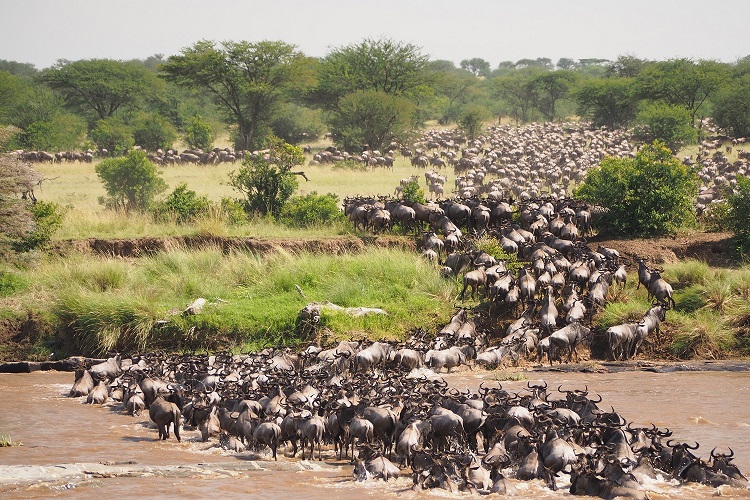
One of the first steps in booking a safari is deciding where you want to go. Africa is home to multiple world-class safari destinations, each offering unique experiences. Tanzania, Kenya, South Africa, Botswana, Namibia, and Uganda are among the most popular. Tanzania is renowned for the Serengeti’s Great Migration and the Ngorongoro Crater, Kenya is famous for the Maasai Mara, while Botswana provides luxury wilderness experiences in the Okavango Delta. Consider your interests — whether you want to witness big cat action, track gorillas, or enjoy a family-friendly lodge stay — as this influences where you should book.
Different travelers prefer different safari styles. You can book a luxury lodge safari with high-end accommodations, a mid-range safari combining comfort and affordability, or a budget camping safari for adventure enthusiasts. There are also fly-in safaris, private guided safaris, group joining safaris, photographic safaris, and self-drive safaris. Deciding on the type of safari helps narrow down operators and budgets. Luxury travelers should focus on bespoke packages with exclusive lodges, while budget travelers may prefer group trips with shared costs.
Selecting the right safari package is about more than just price. A reputable operator ensures safety, trained guides, well-maintained vehicles, and ethical wildlife practices. Poorly organized safaris can lead to disappointing game drives, hidden costs, or even unsafe travel. Carefully reviewing inclusions, reading past guest reviews, and comparing multiple operators helps guarantee you get the best value for your money. Remember that safaris are not only about seeing animals but also about the cultural experiences, local hospitality, and personal comfort that make the trip memorable.
Most safari packages cover the essentials such as park entrance fees, guided game drives, accommodation, and meals. Transfers between airports, lodges, and parks are usually included as well. Some packages also include bottled water, domestic flights between destinations, cultural village visits, and night game drives. Luxury packages may provide all-inclusive services such as drinks, laundry, and spa treatments. It is essential to confirm these inclusions before booking to avoid surprises.
Equally important is understanding what is excluded. International flights are rarely included in safari prices. Travel insurance, visa fees, tips for guides and staff, optional activities (like balloon rides or walking safaris), and alcoholic beverages are often excluded. Some budget safaris also exclude meals outside the main package or charge extra for single-room occupancy. By reviewing exclusions carefully, travelers can plan their budgets realistically.
1. How far in advance should I book a safari?
It is advisable to book at least 6–12 months in advance, especially if you plan to visit during peak seasons such as the Great Migration in Tanzania or Kenya. Lodges and camps fill quickly during these times.
2. Can I book directly or should I use a tour operator?
While some lodges allow direct booking, using a reliable tour operator is recommended as they handle logistics, transfers, and permits, ensuring a smoother experience.
3. How much does a safari cost?
Safari costs vary widely — budget safaris can start from $150–$250 per day, mid-range options cost around $300–$500 per day, while luxury safaris may exceed $800–$1500 per day. The cost depends on the destination, accommodation type, and season.
4. What documents do I need to prepare?
Essential documents include a valid passport, visa (depending on the destination), vaccination certificates (such as yellow fever), and travel insurance documents. Always check entry requirements for your chosen country before travel.
5. Are safaris safe to book online?
Yes, provided you book with reputable, licensed operators. Always verify their accreditation, read guest reviews, and use secure payment methods. Avoid deals that seem too cheap, as they may hide extra costs or poor service.
6. Can I customize my safari?
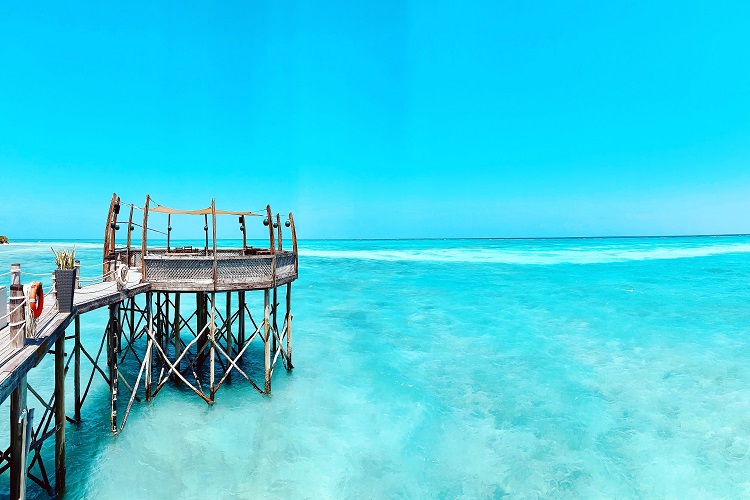
Absolutely. Many operators allow customization, including private vehicles, extended stays, or adding beach holidays to Zanzibar, Seychelles, or Mauritius. Tailor-made safaris ensure that the trip matches your personal interests.
Booking a safari requires thoughtful planning but the reward is extraordinary. By understanding destinations, types of safaris, inclusions, exclusions, and by carefully choosing a trusted operator, travelers can create a once-in-a-lifetime adventure. With the right preparation, booking a safari becomes a smooth process, allowing you to focus on the excitement of the journey ahead and the incredible wildlife encounters that Africa is known for.
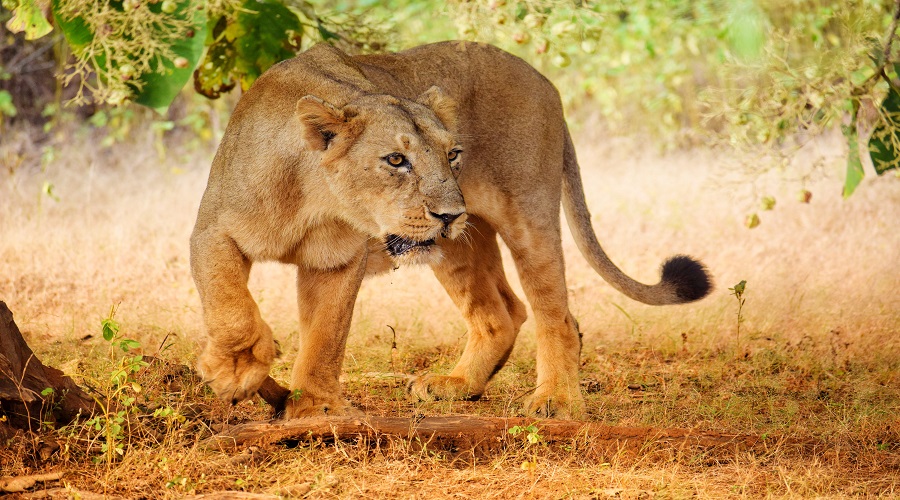
Serengeti National Park

Ngorongoro Crater
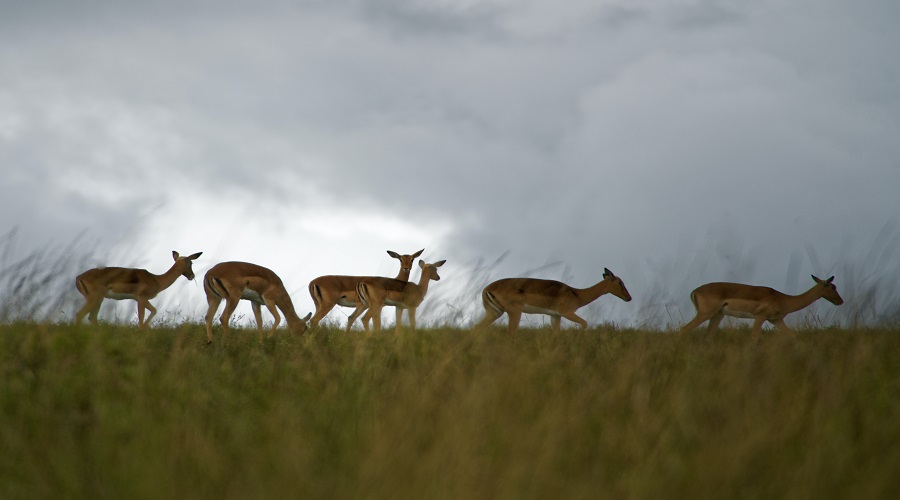
Lake Manyara
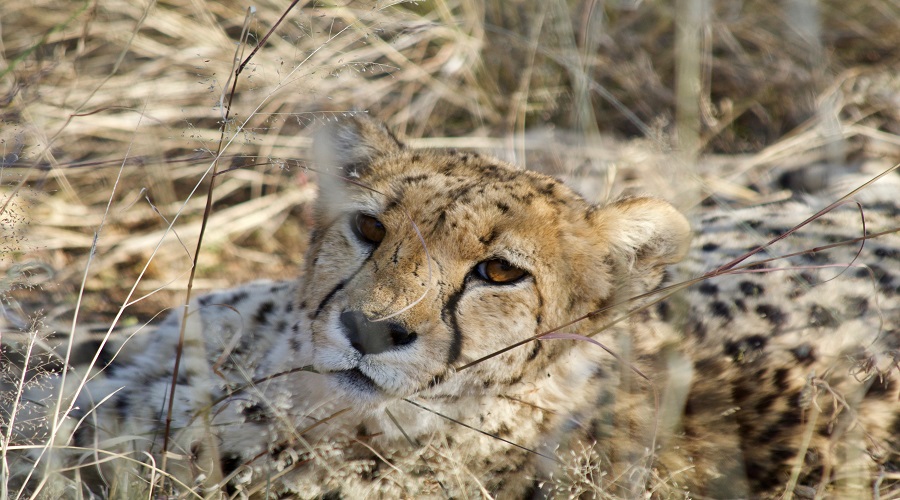
Tarangire National Park