Moshi, Tanzania
-
 +255 742 596 234
  generoustours43@gmail.com





 Moshi, Tanzania +255 742 596 234 generoustours43@gmail.com
Learn whether travel insurance covers safari activities in Tanzania, Kenya, and Africa. Detailed insights on inclusions, exclusions, coverage limits, and why insurance is essential for safari travelers.
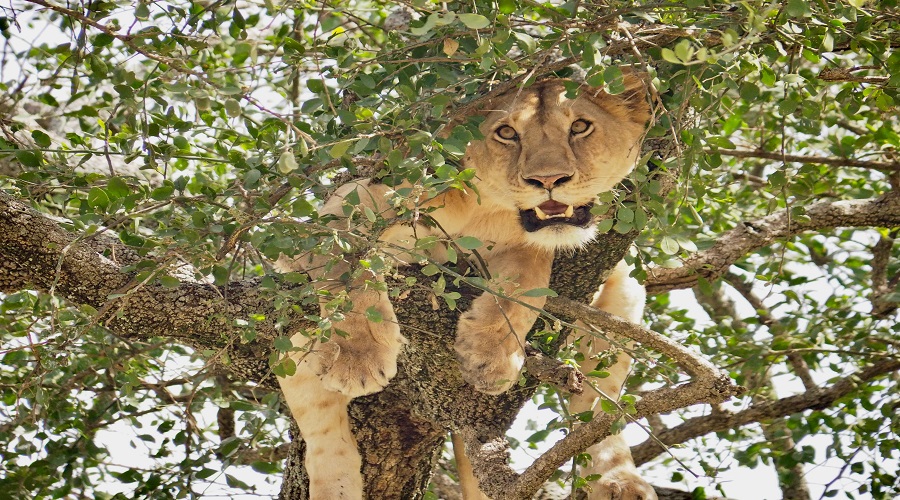
Travel insurance is a critical component of planning an African safari. While safaris are thrilling, they involve unique risks—wildlife encounters, off-road travel, camping in remote areas, or even balloon rides over the savannah. Many travelers wonder if their insurance covers these activities. This article provides a comprehensive breakdown of how travel insurance relates to safari activities, what is usually covered, what may be excluded, and why choosing the right policy is vital for a safe and stress-free safari journey.
Safaris are available across Africa, but Tanzania, Kenya, South Africa, Botswana, and Uganda stand out as top destinations. Each has unique safari experiences—Tanzania’s Serengeti and Ngorongoro Crater, Kenya’s Maasai Mara, Botswana’s Okavango Delta, and Uganda’s Bwindi Forest for gorilla trekking. Since these destinations are often remote, the nearest advanced medical facility can be hours away. Travel insurance that covers emergency evacuation, hospital treatment, and repatriation becomes essential. For example, in Tanzania’s Serengeti, an air ambulance may be the only way to reach a major hospital in Arusha or Nairobi, and without insurance, these costs can run into thousands of dollars.
Safaris are thrilling but unpredictable. Vehicles travel over rough terrain, wildlife encounters can be hazardous, and the environment itself carries risks like insect bites, dehydration, or unexpected injuries. Choosing travel insurance tailored to safari activities ensures that travelers are financially protected against sudden illness, accidents, and even safari cancellations due to weather or park closures. It also safeguards against lost baggage or stolen equipment, which is critical when traveling with cameras and gear. Most importantly, insurance provides peace of mind, allowing you to focus on the adventure rather than potential risks.
Insurance providers usually separate safari activities into categories. Standard activities like vehicle game drives, guided cultural village visits, or camping in national parks are usually included. However, premium or adventure-level activities may require additional coverage. For instance, walking safaris through lion territories or canoeing in hippo and crocodile waters are considered higher risk. If these activities are part of your itinerary, it is wise to request an upgrade. Travelers should also check for exclusions around pandemics, civil unrest, or natural disasters, which may not always be covered unless specifically mentioned.
Q1: Do all travel insurance plans automatically cover safaris?
No. While many plans cover standard safaris, activities like ballooning, gorilla trekking, or off-road bush walks
may require special adventure insurance.
Q2: What happens if I get injured during a safari in a remote area?
Most comprehensive policies include evacuation by helicopter or air ambulance to the nearest major hospital.
This is essential in countries like Tanzania or Botswana, where medical facilities inside parks are limited.
Q3: Can travel insurance cover lost safari equipment like cameras?
Yes. Many plans include baggage and equipment protection, though coverage limits vary. High-value items may
need to be declared for extra protection.
Q4: Is travel insurance mandatory for safari travel?
Some operators in Tanzania, Kenya, and Uganda strongly recommend or even require proof of insurance,
especially for multi-day safaris or treks.
Q5: How do I choose the right safari travel insurance?
Look for policies that cover medical emergencies, evacuation, trip cancellations, and adventure activities.
Always compare plans and read the fine print before purchasing.
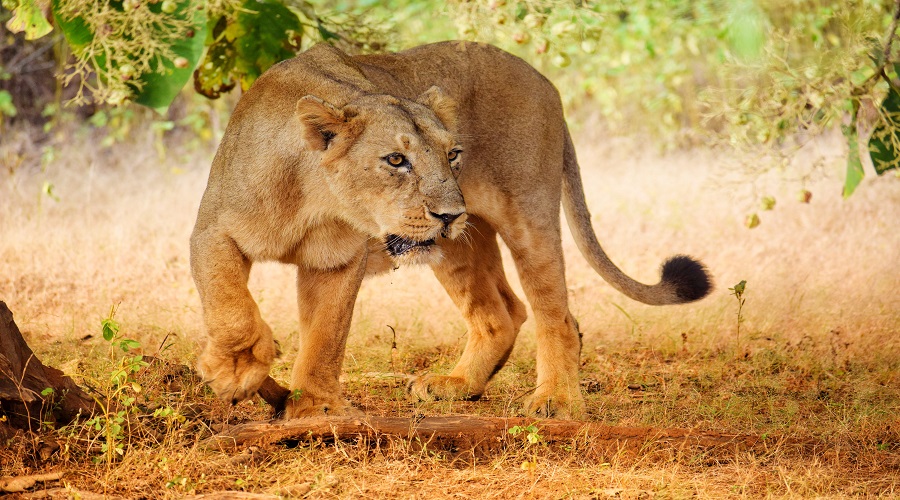
Serengeti National Park

Ngorongoro Crater
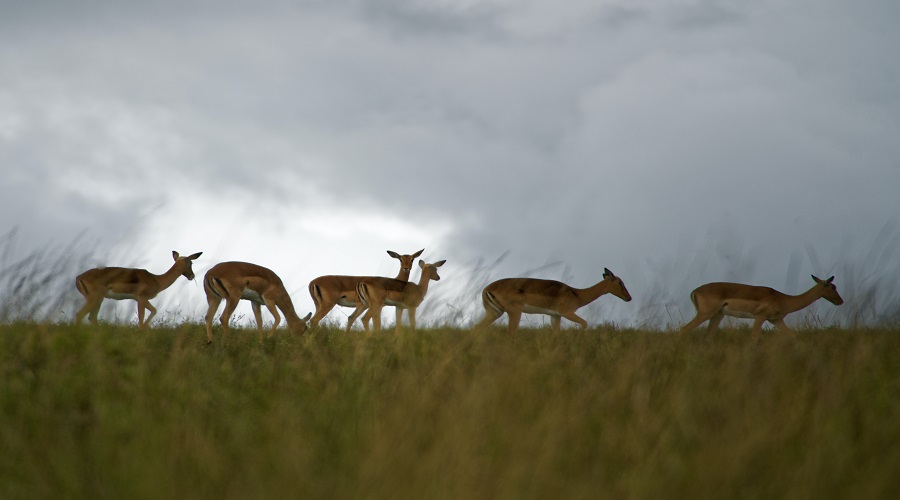
Lake Manyara
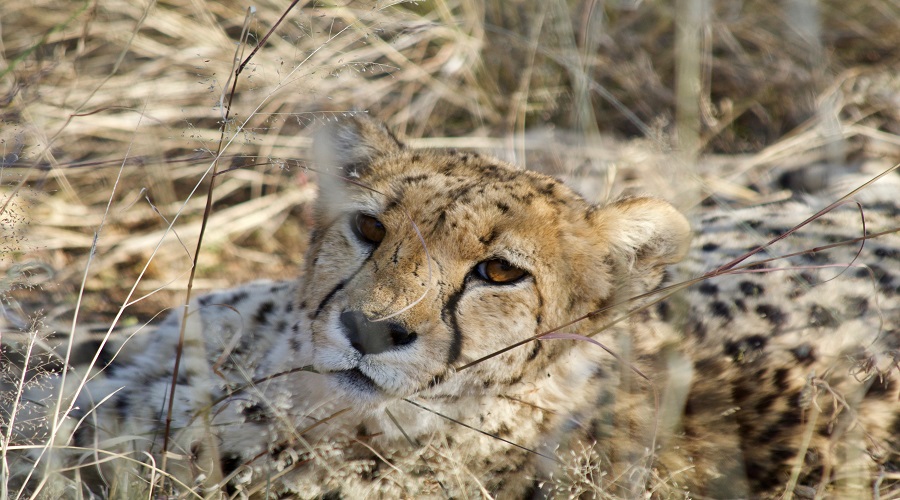
Tarangire National Park