Moshi, Tanzania
-
 +255 742 596 234
  generoustours43@gmail.com





 Moshi, Tanzania +255 742 596 234 generoustours43@gmail.com
A comprehensive guide for travelers on essential vaccinations, malaria prevention, and health safety measures. Learn which vaccines are required, how to take malaria medication, and tips to stay healthy during international travel.
Traveling internationally exposes you to diseases that may not be common in your home country. Vaccinations and malaria prophylaxis are the two main pillars of travel health protection. Core vaccines include hepatitis A and B, typhoid, yellow fever, tetanus, rabies, and MMR. The exact requirements vary by destination, travel duration, and planned activities. Malaria, a serious mosquito-borne illness, is present in many tropical regions. Preventive medication combined with mosquito bite reduction measures (repellents, bed nets, protective clothing) significantly lowers infection risk. Travelers should consult a healthcare professional 4–6 weeks before departure for tailored advice, vaccination schedules, and prescription of malaria prophylaxis.
Destinations:
Travelers visiting tropical, subtropical, and developing regions face higher risks of infectious diseases. Countries in East Africa (Tanzania, Kenya, Uganda), West Africa (Ghana, Nigeria), Southeast Asia (Thailand, Indonesia, Vietnam), and South America (Brazil, Peru) often require both vaccinations and malaria preventive measures. Urban destinations may require fewer precautions, while rural or forested areas may present significant exposure risks. Each destination has its own disease profile, so planning should be destination-specific.
Traveling without appropriate immunizations or malaria medication can expose you to life-threatening diseases, disrupt travel plans, and create medical emergencies abroad. Vaccinations prepare the immune system to combat potential infections, while malaria prophylaxis prevents serious illness from mosquito-borne parasites. Adopting a preventive approach ensures peace of mind, reduces healthcare costs, and allows you to fully enjoy your travel experience safely.
International travel carries exposure risks to various infectious diseases, many of which may be rare or nonexistent in your home country. Vaccines protect your body by stimulating immunity, providing long-term protection against illnesses like hepatitis A and B, typhoid, yellow fever, rabies, and meningitis. The type of vaccine depends on the destination, duration of travel, and planned activities. For example, travelers visiting rural areas in Africa should ensure they are vaccinated against yellow fever and hepatitis A, while travelers to South Asia may require typhoid and hepatitis B immunization.
Malaria is a serious disease transmitted by infected mosquitoes, prevalent in many tropical and subtropical regions. Without preventive medication, travelers risk severe illness, including fever, anemia, and even death. Malaria prophylaxis options include:
Preventive measures are equally important: use insect repellents containing DEET or picaridin, sleep under treated bed nets, wear long-sleeved clothing, and avoid outdoor activities during peak mosquito hours. Travelers should also maintain hygiene, drink safe water, and follow food safety precautions to prevent other infectious diseases.
Consulting a travel medicine specialist at least 4–6 weeks before departure ensures proper vaccination timing, malaria medication selection, and personalized advice based on medical history. Keep vaccination records handy, as some countries require proof of immunization (e.g., yellow fever certificate) for entry.
Other preventive tips include planning for travel insurance covering medical emergencies, staying updated on regional disease outbreaks, and understanding side effects of vaccines and medications. Pregnant women, children, and immunocompromised travelers require special considerations, often needing modified vaccination schedules or alternative malaria prophylaxis.
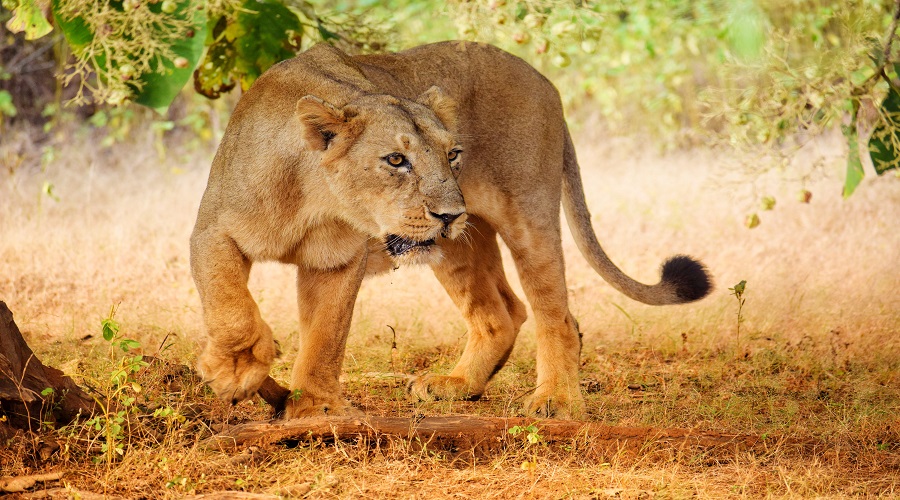
Serengeti National Park

Ngorongoro Crater
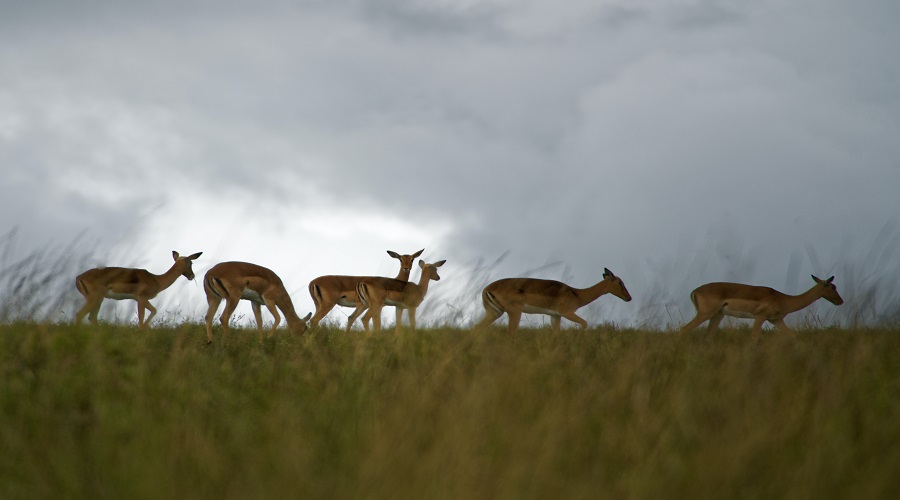
Lake Manyara
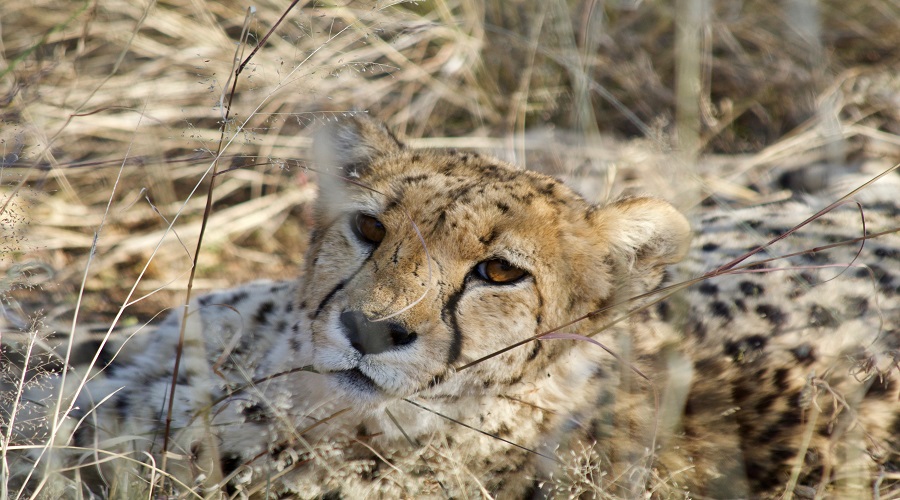
Tarangire National Park