Moshi, Tanzania
-
 +255 742 596 234
  generoustours43@gmail.com





 Moshi, Tanzania +255 742 596 234 generoustours43@gmail.com
Find out why advance payments are required before tours, how much to pay, what it covers, refund rules, and essential tips for booking safaris, holidays, and travel experiences worldwide.

Advance payments are a standard part of the travel and tourism industry. Whether booking a safari in Tanzania, a cultural tour in Europe, or a holiday package in Asia, most operators require partial or full pre-payment before confirming your trip. These payments secure accommodation, transport, park fees, guides, and other logistics. They also serve as a guarantee for both the traveler and the operator. Understanding why advance payments are necessary, how much is typically required, and the policies surrounding refunds and cancellations is crucial before booking any tour.
Advance payments apply across all destinations, from African safari countries like Tanzania, Kenya, and South Africa, to cultural circuits in Europe, Asia, and the Americas. For example, in Tanzania, park fees and lodge bookings must be prepaid in order for operators to secure limited permits and accommodation inside national parks. In Europe, city tours, cruises, and event-based packages also require upfront payment to guarantee spots, especially during peak seasons. Airlines, rail services, and luxury lodges globally work on advance booking models, so deposits and pre-payments are unavoidable.
Advance payments ensure commitment from both sides. For the traveler, it locks in the agreed price and guarantees availability, while for the operator, it provides funds to secure non-refundable bookings like accommodation, transportation, and park entry fees. Without pre-payment, operators risk last-minute cancellations that leave them liable for costs already incurred. Additionally, advance payments allow smooth logistics planning, confirming guides, reserving vehicles, and coordinating itineraries.
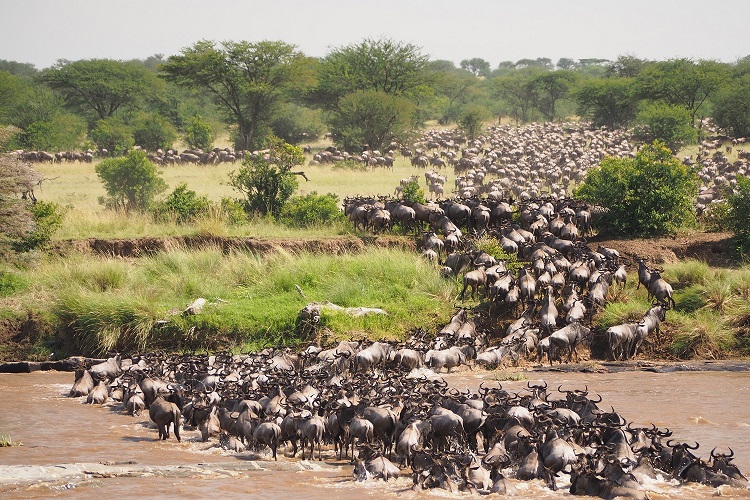
In high-demand destinations like Tanzania’s Serengeti during the Great Migration, lodges and camps are often fully booked months in advance. Without deposits, it would be impossible to guarantee availability for clients. The same applies to seasonal tours like cherry blossom trips in Japan or Christmas markets in Germany.
Inclusions:
Exclusions:
Choosing a tour package that requires advance payment reflects professionalism and reliability. Operators who request deposits are usually established businesses with strict commitments to suppliers. It also offers peace of mind, since you know your services are confirmed before arrival. Moreover, advance payments often lock in better rates, protecting you from seasonal price increases or last-minute surcharges. In countries like Tanzania, deposits allow access to prime camps and lodges that would otherwise be unavailable closer to travel dates.
1. How much advance payment is required?
Most companies request between 20% and 50% at booking, with the balance due 30–60
days before departure.
2. Are advance payments refundable?
Refunds depend on the operator’s policy. Some deposits are partially refundable if
cancellation happens within a set period, while others (like park fees) are strictly
non-refundable.
3. What happens if I cancel my tour?
Cancellation charges are applied based on how close to the departure date you cancel.
Early cancellations may incur minimal charges, while last-minute cancellations
usually result in forfeiting most or all of the advance payment.
4. Can I pay in installments?
Many operators allow staged payments—deposit first, then balance later—making it
easier to manage travel costs.
5. Is advance payment safe?
Yes, if you book with licensed and reputable operators. To safeguard yourself,
use secure payment channels and request official receipts or booking confirmations.
Travel insurance adds an extra layer of protection.
6. What if the operator cancels?
Reliable companies either refund the advance payment or offer alternative
arrangements of equal value if they cancel for reasons beyond your control.
7. Why not just pay on arrival?
Paying on arrival is rarely possible because many services like permits, lodges,
and domestic flights are paid for in advance by operators. Without your deposit,
they cannot make those arrangements.

Serengeti National Park

Ngorongoro Crater

Lake Manyara

Tarangire National Park