Can I Take Photographs During Safari Drives? Absolutely—Here’s How to Do It Right
Short answer: Yes. Personal photography is welcomed on game drives across most parks and conservancies. You’ll need to follow your guide’s instructions, keep limbs inside the vehicle, avoid flash with wildlife, and respect fellow guests and animals. Drones are generally prohibited without advance, written permits.
Article Highlights
- Yes, you can photograph on safari—with basic rules: no flash on animals, no leaning out, no disturbing wildlife.
- Drones: commonly not allowed. Special permits, if possible at all, require lead time.
- Best lenses: 100–400mm or 200–600mm for wildlife; 24–70mm for environmental shots; consider two camera bodies to avoid lens swaps in dust.
- Stability: beanbag over a rail beats tripods in vehicles; use image stabilization wisely.
- Settings: fast shutter for action (1/1000s+), auto-ISO with ceiling, back-button focus, and exposure compensation for bright backgrounds.
- Ethics & etiquette: silence near skittish animals, limit shutter bursts, no calls or baiting, and avoid geotagging sensitive species (e.g., rhinos).
- Destinations: Serengeti & Mara (migration), Okavango (water & predators), Sabi Sands (close big cats), Etosha (clean backdrops), South Luangwa (night drives).
- Logistics: dust/rain protection, power on vehicles, weight limits on bush flights, backups for cards and drives.
What’s Allowed vs. Restricted (Typical)
- Allowed: handheld and long-lens photography from your seat; beanbags; monopods if they don’t obstruct; quiet shutter or electronic shutter; personal video.
- Restricted/Not Advised: flash on wildlife; standing/leaning out or changing seats without permission; blocking another vehicle’s shot; loud shutter bursts near skittish animals; calling/whistling to get animal attention; drones without permits (usually banned).
- Commercial use: selling images or using them in ads may need additional permits—ask your operator in advance.
Destinations & When to Go for Photography
These regions are consistently strong for photographers. Conditions and movements vary with weather; use this as a planning compass, not a rigid calendar.
East Africa
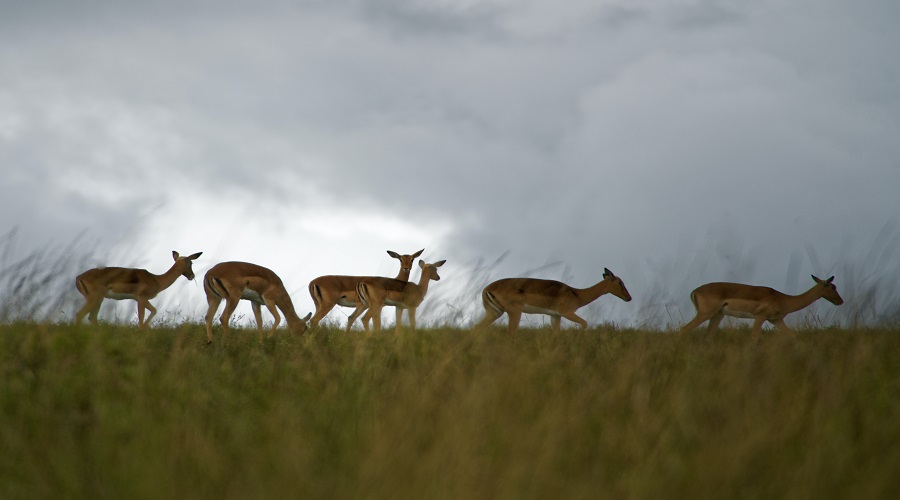
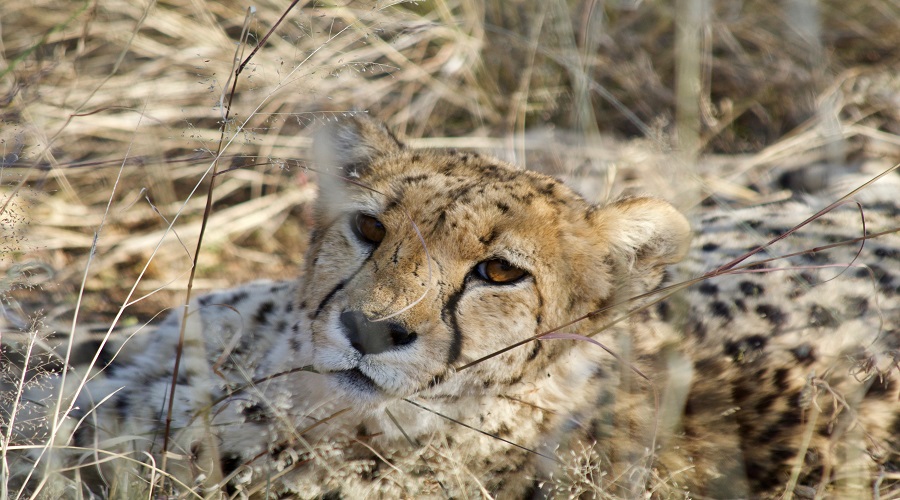
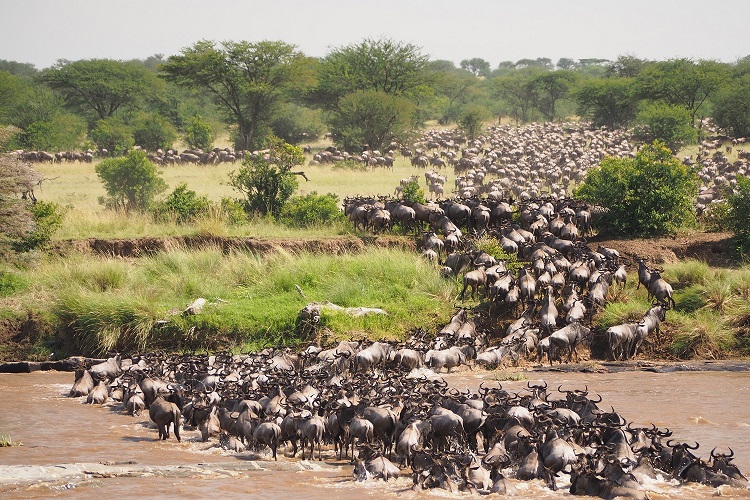
- Serengeti, Tanzania: Year-round cats; Jan–Mar Ndutu calving (intense predator action); Jun–Oct migration herds with potential river crossings. Open plains give clean backgrounds and golden light.
- Ngorongoro Crater, Tanzania: High density of animals and short grass for unobstructed views; dramatic crater backdrops.
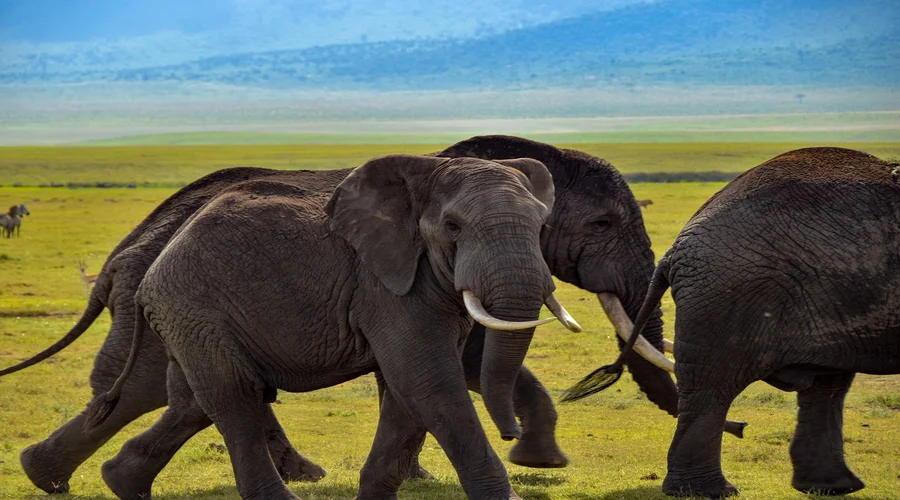
- Tarangire, Tanzania: Aug–Oct elephants and baobabs; dust backlight for creative rim-lit images.
- Masai Mara, Kenya: Jul–Oct migration; year-round big cats; private conservancies allow fewer vehicles and better angles.
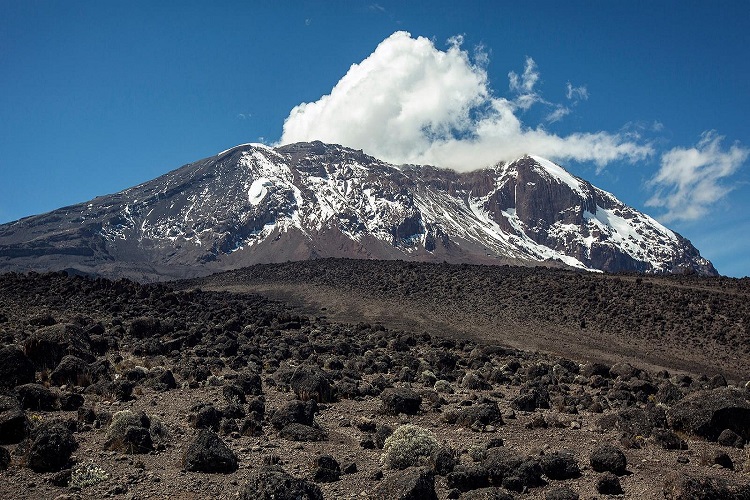
- Amboseli, Kenya: Elephants with Kilimanjaro; best clarity early morning after cool nights.
Southern Africa
- Okavango Delta & Moremi, Botswana: May–Oct dry season; boat and vehicle photography; striking light and predator activity.
- Chobe, Botswana: River cruises give low-angle elephant and bird shots; dry seasons cluster wildlife at water.
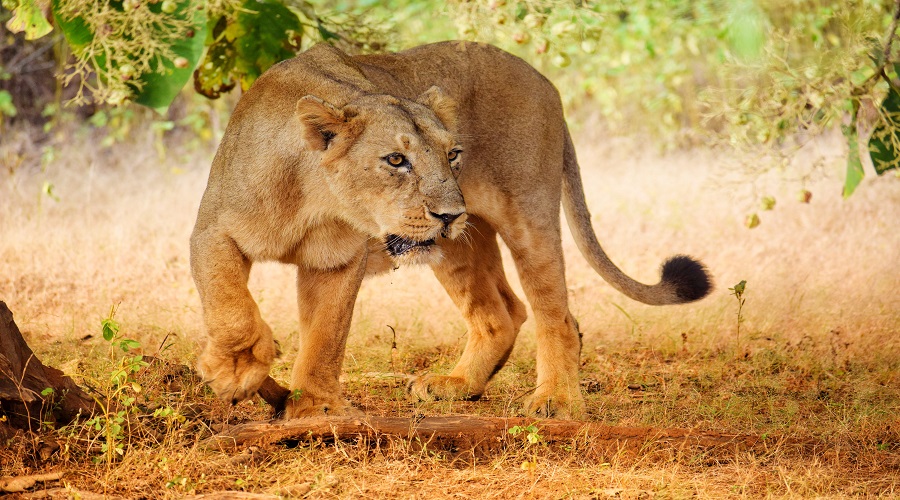
- Kruger & Sabi Sands, South Africa: Excellent infrastructure; Sabi Sands renowned for close leopard viewing; some private reserves allow limited off-road for sightings.
- Etosha, Namibia: White pans and minimalist backdrops; waterhole setups for graphic compositions.
- South Luangwa, Zambia: Night drives (with guide spotlights) are typically allowed; strong predator encounters.
- Mana Pools & Hwange, Zimbabwe: Mana for creative wide-angle elephants and walking (with guide); Hwange for vast elephant herds late dry season.
Why We Chose These Destinations (Photographer’s Lens)
- Reliability of sightings: Healthy predator densities and seasonal congregations improve image opportunities.
- Quality of light & backgrounds: Open plains, reflective pans, and river margins give clean frames and beautiful rim light.
- Vehicle practices: Private conservancies often limit vehicles per sighting and allow better positioning.
- Diverse platforms: Mix of boats, hides, and open vehicles enables different angles and focal lengths.
- Logistics: Good guiding culture, power for charging, and camera-friendly policies.
Gear & Setup: What to Bring (and Why)
- Camera bodies: Two bodies minimize lens swapping in dust; mirrorless with silent/electronic shutter is ideal near skittish subjects.
- Lenses (full-frame equivalents): 100–400mm or 200–600mm (main wildlife); 70–200mm (portraits/behavior); 24–70mm or 24–105mm (environmental scenes and vehicles); 14–24mm for big skies or elephants at close range (where safe and permitted).
- Stabilization: A beanbag over the door/rail is the gold standard; tripods are cumbersome in vehicles; monopods can help if space allows.
- Filters: UV/protective filters for dust; polarizers for glare on water/big skies (watch shutter speed loss).
- Power: Extra batteries; in-vehicle 12V sockets; inverter if allowed; power bank for USB-C charging.
- Storage & backup: Plenty of high-speed cards; dual-slot redundancy; portable SSD; optional laptop for culling; keep one backup separate from the main bag.
- Protection: Rain covers, dry bags, lens cloths, rocket blower, small brush; silica gel packs for humidity; tape to seal zippers during dusty drives.
- Comfort: Neutral clothing, hat, sunscreen, lip balm; thin gloves for cold mornings; small headlamp for night returns.
On-Drive Techniques & Settings
- Shutter-priority or manual with auto-ISO: Keep action sharp—start at 1/1000s for big cats, 1/2000s for birds in flight; raise ISO as needed.
- Autofocus: Use subject/animal detection if available; back-button focus; continuous AF for motion; single point for eyes through branches.
- Exposure compensation: +0.3 to +1.0 for backlit subjects; watch histogram to protect highlights (especially white birds, sunlit tusks).
- Composition: Shoot eye level when possible; clean backgrounds by shifting your body slightly; use rule of thirds and negative space to show environment.
- Panning & motion: For running animals, try 1/30–1/60s with smooth pan bursts; expect many misses—one keeper can be magic.
- Low light: Embrace higher ISO; noise is better than blur; convert to monochrome for mood and grain tolerance.
- Video: Capture short behavior clips; stabilize against a beanbag; record a few seconds of “silence” for sound editing later.
Ethics & Etiquette (Respect First)
- No flash on wildlife. Many animals are nocturnal or easily startled; flash can stress them and ruin everyone’s sighting.
- Keep limbs inside the vehicle and remain seated unless your guide instructs otherwise.
- Silence at sensitive sightings: Den sites, nesting birds, hunts, or nervous individuals demand quiet and minimal movement.
- Never lure or affect behavior: No calls, bait, or blocking paths. Let animals choose the distance.
- Share the sighting: Don’t monopolize angles; take turns if space is tight.
- Cultural sensitivity: Ask permission before photographing people (guides, staff, local communities). Offer to share portraits if appropriate.
- Digital responsibility: Avoid geotagging sensitive species and den locations; delay posting if advised by your operator.
Logistics & Safety Tips
- Vehicle layout: Open-sided vehicles are great for photography; request a row or private vehicle (extra cost) if you need free movement.
- Daily rhythm: Golden hours at dawn and dusk; midday can be culling/charging time or hides/waterholes for harsh-light experiments.
- Night drives: Allowed in some reserves with guide spotlights; keep shutter fast enough to freeze motion and be mindful of animal welfare.
- Bush flights: Soft luggage and strict weight limits—pre-plan a lean kit or book extra seats for more weight if needed.
- Weather: Sudden showers and dust devils happen; keep rain covers handy and cap lenses between bursts.
Inclusions & Exclusions (Typical Photo-Friendly Safari)
- Inclusions: Professional guide/driver; two daily game drives (or full-day with picnic); filtered water; soft drinks; power for charging; beanbags (on some vehicles); park/concession fees; limited laundry; transfers between airstrips and camp; sometimes a dedicated “photo host.”
- Exclusions: Drone permits (usually not available); premium telephoto lens rentals; private vehicle surcharges; tips; premium drinks; travel insurance; visas; certain special-activity permits (hides, walking, canoe) if not bundled.
FAQs
Are cameras allowed on safari drives?
Yes. Personal stills and video are normally allowed. Follow your guide’s rules and park regulations.
Can I use flash?
Do not use flash on wildlife. It can disturb animals and is prohibited by many operators. Low-light techniques and fast lenses are preferable.
What about drones?
Most parks and reserves ban drones. In rare cases a special permit may be possible after lengthy approval. Assume “no” unless your operator secures written permission well in advance.
How many lenses should I bring?
Two is ideal: a telephoto zoom (100–400mm or 200–600mm) and a standard zoom (24–70/105mm). If weight allows, add a 70–200mm for portraits. Two camera bodies reduce lens changes.
Tripod or beanbag?
Beanbag. Tripods are awkward in vehicles and slow for fast action. A monopod can work if there’s room.
What shutter speeds should I use?
Start at 1/1000s for moving mammals, 1/2000s for birds in flight. Use auto-ISO with a reasonable ceiling; apply exposure compensation for backlit scenes.
Do I own the photos I take?
Generally yes for personal use. Commercial usage may require permits or releases. Confirm with your operator if you plan to sell images or run workshops.
Can I stand up in the vehicle to shoot?
Only if your guide says it’s safe and appropriate. Remaining seated keeps a lower profile and disturbs animals less.
Can I photograph people I meet?
Always ask permission first. Respect privacy and cultural norms. Offer to share the image if possible.
How do I protect gear from dust and rain?
Use rain covers, dry bags, and silica gel. Keep lenses capped between shots, carry a blower/cloth, and avoid changing lenses in windy or dusty conditions.
Is geotagging safe?
Avoid geotagging sensitive species and den/nest sites. Follow your guide’s advice on what not to share.
What about power and charging?
Most vehicles have 12V or USB ports; bring spare batteries, a car adapter, and a power bank. Camps usually offer charging in rooms or main areas.
Will the shutter noise scare animals?
Sometimes. Switch to electronic/silent shutter if your camera supports it and light allows (watch rolling-shutter artifacts with fast motion).
Do I need a private vehicle?
Not mandatory, but helpful if you want full control of positioning and time at sightings. It’s an extra cost; book early.
Can I photograph at night?
Only in areas where night drives are allowed and with your guide’s spotlight. Keep bursts short and avoid stressing animals.
Final Take
Photography on safari is not only permitted—it’s encouraged when done responsibly. Prepare a lean, dust-aware kit; learn fast-action settings; follow your guide; protect wildlife and communities; and prioritize the story over the shutter count. Do that, and you’ll return with powerful, ethical images you’re proud to share.
 Moshi, Tanzania
 +255 742 596 234
  generoustours43@gmail.com