Can I Do a Safari Independently Without a Guide?
Article Highlights
- Independent (self-drive or unguided) safaris are allowed in many parks but not all — rules are park/country specific.
- Examples: Tanzania allows vehicle access to parks (self-drive possible), but Ngorongoro Conservation Area requires a licensed guide. Kenya’s Masai Mara has recently restricted self-drive access. South Africa’s Kruger Park permits self-drive under clear rules. :contentReference[oaicite:2]{index=2}
- Key needs: correct permits, a robust 4×4, appropriate insurance, contingency plans (recovery & medevac), and strong navigation/fuel planning.
- Pros: flexibility, lower cost (sometimes), and privacy. Cons: higher responsibility, navigation & mechanical risk, possible restricted access, and conservation/ethical considerations.
Destinations — Where Independent Safaris Are (and Aren’t) Feasible
Rules change by country and park. Here are representative examples — always check the park authority and your rental operator before travel:
- Tanzania: Self-drive access to major parks is offered by rental companies and travellers (Serengeti FAQs state vehicles may enter by self-drive), but some areas like the Ngorongoro Conservation Area require visitors to be accompanied by a licensed guide. Rentals and permits are often arranged by car hire companies. :contentReference[oaicite:3]{index=3}
- Kenya: Historically self-drive was possible, but several high-density tourism zones (e.g., Masai Mara) have tightened rules; park authorities may require registered guides or impose self-drive permits. Check Kenya Wildlife Service (KWS) or relevant provider for current policy. :contentReference[oaicite:4]{index=4}
- South Africa: Kruger National Park and many private reserves allow self-drive on designated roads with clear rules: stay in vehicle except at designated rest points, follow speed limits and gate hours. :contentReference[oaicite:5]{index=5}
- Other countries: Botswana, Namibia, and Zambia have mix of self-drive options (Namibia is especially popular for remote self-drive), while certain reserves or activities (walking safaris, night drives) may legally require a guide or ranger.
Why People Choose an Independent (DIY) Safari
- Flexibility: Set your pace, change the route, and linger where you want.
- Cost control: Potentially cheaper per person for small groups compared with private guided safaris (though savings vary once insurance and permits are counted).
- Privacy & experience design: Do your own photography schedule, pick campsites, mix with lodge nights, or explore off-the-beaten-track areas.
- Adventure & learning: Hands-on driving, navigation, and logistics — appealing to experienced overlanders and independent travelers.
Why You Might Prefer a Guided Safari instead
- Local expertise: Guides know animal behaviour, hot spots, regulations, and have radio contacts for sightings.
- Safety & logistics: Guides handle permits, road choices, border or park gate procedures, and vehicle recovery arrangements.
- Savings on hidden costs: Some operators include permits, park bureaucracy, and local liaison that can become expensive if handled by you on arrival.
Legal & Permit Considerations (Step-by-step)
- Check park regulations first: Every national park/conservation area has its own rules. For example, Serengeti allows vehicle entry by self-drive, while Ngorongoro requires a licensed guide — confirm with park authority. :contentReference[oaicite:6]{index=6}
- Self-drive permits: Some countries require a specific self-drive permit (e.g., KWS Self-Drive Permit in Kenya historically) or other documentation to operate inside parks. Book in advance where required. :contentReference[oaicite:7]{index=7}
- Vehicle rental policies: Car rental firms often restrict off-road use, certain regions, or national parks unless you buy an extra permit or hire a vehicle with a “park permit” package — ask in writing. Many specialist agencies explicitly offer self-drive safari packages. :contentReference[oaicite:8]{index=8}
- Driver requirements: International Driving Permit (IDP) plus your home-country license is commonly required. Rental companies will insist on these. :contentReference[oaicite:9]{index=9}
- Border & cross-border permits: If crossing into neighboring countries, arrange cross-border insurance (CDW exclusions) and temporary import permits for the vehicle well in advance.
Vehicle, Insurance & Equipment Requirements
Vehicle: A high-clearance 4×4 (with low-range) is strongly recommended for many parks and remote tracks. Bush flights and remote airstrips also may require smaller vehicle transfer logistics.
Insurance: Verify Collision Damage Waiver (CDW), theft cover, and whether insurance excludes off-road, river crossings, or towing/vehicle recovery — buy supplemental cover if needed. Get rental company’s roadside assistance and a recovery plan for remote breakdowns.
Spare parts & tools: Carry a full spare (including tyre, fan belts, radiator hoses), quality jack, compressible air pump, basic tool kit, and recovery gear (snatch straps, shovel). Ensure the vehicle has a roof rack or adequate luggage capacity.
Practical Planning Checklist for an Independent Safari
- Research & confirm park rules (park websites/contact/official FAQ). :contentReference[oaicite:10]{index=10}
- Book or reserve campsites/lodges: Public campsites can fill fast in peak season—reserve early.
- Book a suitable 4×4 with specialist rental company (ask about permits, recovery kit, and 24/7 support). :contentReference[oaicite:11]{index=11}
- Purchase appropriate insurance & medevac cover.
- Confirm driving documents: passport, driving license, International Driving Permit (IDP), car hire contract. :contentReference[oaicite:12]{index=12}
- Download offline maps & GPS tracks: Google Maps offline + GPX for park roads; carry a paper map as backup.
- Fuel planning: Note long distances between fuel stations—carry jerry cans, and know fuel types available.
- Emergency contacts & radio/phone options: Some areas have poor mobile coverage; consider satellite phone or GPS messenger for remote areas.
- Vaccinations & malaria prophylaxis: Consult travel clinic and carry a first-aid kit and prescription meds.
- Learn wildlife driving etiquette: keep distance, stay in vehicle, avoid crowding animals, no off-road driving, and follow park speed limits and gate hours.
Inclusions — What an Independent Safari Usually Requires You to Arrange
- Vehicle rental (4×4) and any optional driver-equipment or recovery kit.
- Park entry fees, self-drive permits where applicable, campsite or lodge bookings.
- Fuel, food, and cooking equipment if camping independently.
- Insurance (vehicle/CDW/top-up), emergency evacuation/medevac cover, and personal travel insurance.
Exclusions — What Guided Operators Typically Provide (But You Must Organize if DIY)
- Local knowledge and radio contacts for current sightings and predator activity.
- Permit handling and on-ground bureaucracy in some parks.
- Vehicle recovery teams and pre-arranged local mechanics (may be included in guided packages).
- Cultural liaison and vetted local community visits (guides arrange respectful interactions).
Costs — How Pricing Usually Compares
Costs depend on vehicle, season, permits and accommodation level. Independent safaris may save money for groups sharing a vehicle and booking campsites themselves, but savings can be offset by:
- Higher insurance or extra permit fees from rental companies;
- Costs for recovery, towing, or additional equipment hire;
- Higher chance of needing paid local assistance if you get stuck or lost.
Safety & Conservation Ethics
Independent travel adds responsibility. Follow these rules:
- Respect wildlife distances and never exit vehicle unless in designated safe areas.
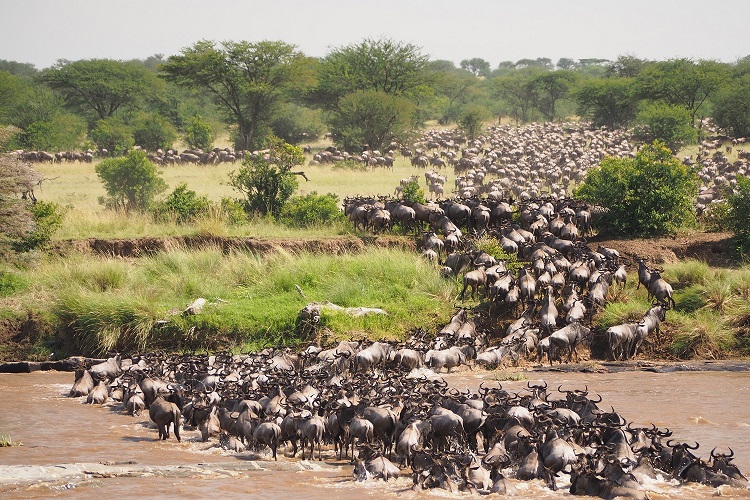
- Don’t block river crossings or spook animals for photos; unethical behaviour can harm wildlife and prompt stricter rules by authorities. Recent incidents have led to policy enforcement in East Africa. :contentReference[oaicite:13]{index=13}
- Practice Leave-No-Trace: pack out rubbish, avoid generating noise, and use biodegradable products.
When Self-Drive Is NOT Recommended
- First-time safari visitors with little off-road driving experience in remote regions.
- When parks explicitly require licensed guides (e.g., Ngorongoro Conservation Area). :contentReference[oaicite:14]{index=14}
- During heavy rains if roads become impassable and rental insurance excludes mud recovery.
- If you don’t have solid contingency plans for mechanical failure or medical emergencies.
Alternatives & Hybrid Options
- Driver-guide hire: Rent the vehicle but hire a local driver/guide for navigation and sightings—gives independence with local expertise (many rental agencies offer this).
- Self-drive + guided day drives: Camp or lodge independently and hire a guide for specific park days or walking safaris.
- Join a small group self-drive tour: Specialist companies organize self-drive routes with 24/7 support and local knowledge—good middle ground. :contentReference[oaicite:15]{index=15}
Extensive FAQ (Practical & Legal Questions)
Q1: Can I legally self-drive in the Serengeti?
A: Yes — Serengeti lists vehicle access options including self-drive; confirm gate procedures, park fees, and seasonal road conditions before travel. :contentReference[oaicite:16]{index=16}
Q2: Do I need a guide for Ngorongoro?
A: Yes — the Ngorongoro Conservation Area requires visitors to be accompanied by a licensed guide. Plan accordingly. :contentReference[oaicite:17]{index=17}
Q3: Is self-driving allowed in the Masai Mara/Kenya?
A: Policies change — some Mara sectors have tightened access and may restrict self-drive; check KWS and local operator notices before planning. :contentReference[oaicite:18]{index=18}
Q4: What documents do I need to rent and drive a car?
A: Passport, valid home driving license, and an International Driving Permit (IDP) are commonly required; you’ll also need the rental contract and proof of insurance. :contentReference[oaicite:19]{index=19}
Q5: Will my rental insurance cover remote breakdowns or recovery?
A: Often not fully — check fine print. Many companies sell recovery packages; arrange 24/7 support or buy third-party recovery insurance.
Q6: Are roads in parks suitable for 2WD?
A: In many parks you need a 4×4 — park roads can be soft, rocky, or flooded. When in doubt, use a specialist 4×4 rental. :contentReference[oaicite:20]{index=20}
Q7: Can I do night drives or walking safaris independently?
A: No — night drives and guided walks are often regulated and require licensed guides or ranger escorts for safety and conservation reasons.
Q8: How do I handle park permits?
A: Some permits are bought at gates; others must be pre-booked. Rental companies often assist with Ngorongoro or specialized permits — confirm in writing. :contentReference[oaicite:21]{index=21}
Q9: What are the biggest risks of going unguided?
A: Getting stuck/stranded, mechanical failure without local recovery, getting lost, wildlife incidents from poor approach/disturbance, lack of up-to-date local sightings info, and violating park rules unknowingly.
Q10: What’s the best single piece of extra kit to bring?
A: A reliable satellite communication device (e.g., Garmin inReach) or local satellite phone for remote emergencies—mobile coverage is unreliable in remote parks.
Q11: Can I camp independently in parks?
A: Many parks allow camping, but only at designated sites. Some reserves require pre-booked private/special sites for independent camping—always confirm.
Q12: How far in advance should I book vehicle and permits?
A: Peak season bookings are strongly advised months in advance for secure rental vehicles and special campsite slots; permits for restricted areas should be handled early.
Q13: Are there reputable companies that specialize in self-drive packages?
A: Yes—specialist providers offer self-drive 4×4 hire with support, route planning and recovery services. Research reviews and ask about on-road assistance. :contentReference[oaicite:22]{index=22}
Q14: Will going DIY harm conservation?
A: It can if visitors don’t follow rules—wildlife disturbance, off-road driving and leaving waste cause damage. Responsible, rule-abiding self-drive is acceptable; unethical behaviour can result in bans and fines. Recent incidents have led to stricter enforcement in some parks. :contentReference[oaicite:23]{index=23}
Q15: Do I need a guide for chimp or walking safaris?
A: Yes—activities like chimp trekking or walking safaris are highly regulated and must be done with authorized guides and rangers.
Q16: Can I combine self-drive with guided days?
A: Yes—this hybrid model is very practical: drive between camps independently, then hire a guide for specific park days or walking safaris.
Q17: What about child safety on DIY safaris?
A: Families should check park age limits and consider private guides or family-friendly operators; private campsites give better control over routine and safety.
Q18: Will I see as much wildlife as on a guided safari?
A: Guides often increase sighting success via local knowledge and radio networks; DIY can still be very rewarding but may require more time on the road and patience.
Q19: Is a self-drive safari suitable for first-timers?
A: Generally no—first-time safari guests often benefit from guides for orientation, safety, and wildlife education. Consider a hybrid approach for your first trip.
Q20: How do I report emergencies or lodge a complaint?
A: Carry park emergency numbers, rental company contact, local embassy/consulate info, and travel insurer emergency numbers. Log complaints with the park authority and operator if issues arise.
Final Recommendations — Practical Advice
- Do thorough pre-trip research: Confirm the specific park’s rules and required permits in writing.
- Use specialist rental firms: Pick companies experienced in self-drive safaris with 24/7 support and recovery options. :contentReference[oaicite:24]{index=24}
- Plan for contingencies: medevac insurance, recovery budget, satellite comms, and spare parts.
- Respect wildlife and local communities: follow park rules, avoid risky photo behaviour, and reduce environmental impact.
- Consider a hybrid approach: hire a local driver or guide for a few days to maximize sightings and local insight while keeping independence elsewhere.
Selected References & Further Reading
- Serengeti National Park – visitor FAQs (vehicle access & routes). :contentReference[oaicite:25]{index=25}
- Ngorongoro Conservation Area – rules & regulations (guide requirement). :contentReference[oaicite:26]{index=26}
- Kenya & Tanzania Self-Drive Permit guidance (overview). :contentReference[oaicite:27]{index=27}
- Kruger National Park self-drive advice (South Africa). :contentReference[oaicite:28]{index=28}
- Practical tips for self-driving in Tanzania (rental & IDP considerations). :contentReference[oaicite:29]{index=29}