Moshi, Tanzania
-
 +255 742 596 234
  generoustours43@gmail.com





 Moshi, Tanzania +255 742 596 234 generoustours43@gmail.com
Yes short safaris (day trips, overnight and 2-day fly-in options) are common in Tanzania. This professional guide explains where to go, how it works, logistics (drive/flight times & luggage limits), what to expect, inclusions/exclusions, costs, packing and detailed FAQs for planning a 1–3 day safari.
Yes short safaris (day trips, overnight and 2-day fly-in options) are common in Tanzania. This professional guide explains where to go, how it works, logistics (drive/flight times & luggage limits), what to expect, inclusions/exclusions, costs, packing and detailed FAQs for planning a 1–3 day safari.
1) Full-day game drives (24 hours, no overnight): Leave early from Arusha/Moshi and return the same evening. Common options are Tarangire and Lake Manyara; these give you one solid day of game-viewing without an overnight away from your base. :contentReference[oaicite:2]{index=2}
2) Overnight (≈48 hours): One night away increases morning and evening wildlife windows — you might combine Tarangire with a night near the Ngorongoro highlands or do an overnight in a Serengeti buffer zone if driving. Overnight trips are best when you prefer lower cost and don’t mind road time.
3) Fly-in short safaris (24–72 hours): Take a 45–75 minute scheduled bush flight into the Serengeti or other remote airstrips, do one or two game drives, and fly back — these maximize wildlife time for very short schedules. Fly-in 2-day packages are widely offered. :contentReference[oaicite:3]{index=3}
Costs vary with season, park, vehicle occupancy, and whether you fly. Typical price signals (examples from operators):
Bottom line: If budget is tight, choose a high-value day trip (Tarangire/Manyara). If wildlife intensity is the priority and you have money for flights, choose a fly-in Serengeti 48–72 hr package.
If you plan a fly-in short safari, expect strict light-aircraft baggage rules (soft duffel bags strongly recommended). Typical allowances are ~15 kg per person on many Tanzanian shuttle flights (some carriers 15–20 kg; check your carrier). Pack accordingly.
On short safaris guides will optimize game time — early departure, midday rest in shaded areas (or a lodge), and late-afternoon drives. For 24-hour trips every minute counts; choose operators known for punctuality and efficient logistics.
National park entry and crater descent permits are mandatory and commonly arranged by the tour operator. Private special campsites or short-notice bookings may need advance confirmation.
Short safaris still require preparation: malaria prophylaxis (where recommended), travel insurance (including medevac for remote fly-in options), and basic first-aid. Always confirm health recommendations with your doctor.
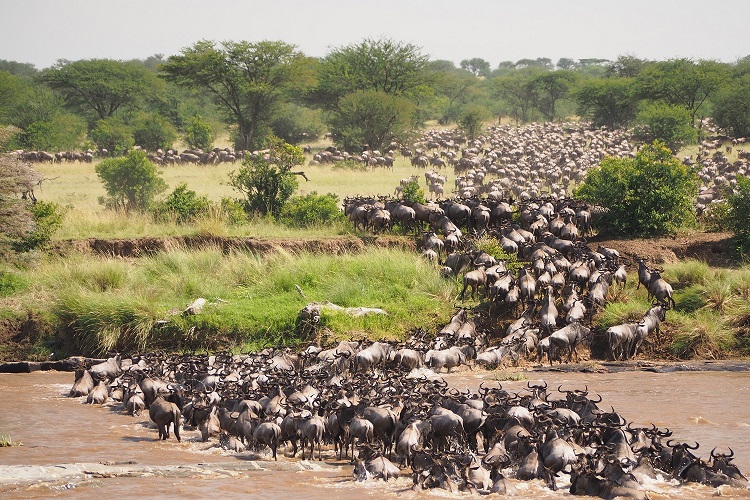
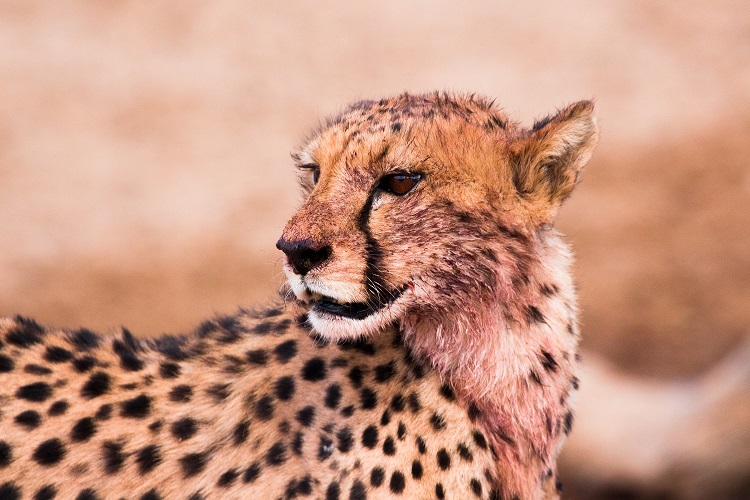
Short trips concentrate sightings: crater day trips and Tarangire often provide dense wildlife viewing (elephants, buffalo, predators) within a limited area. Fly-in Serengeti trips maximize the chance to see big cats and plains herds in prime locations. However, remember: wildlife sightings are never guaranteed — luck and timing (season) matter.
Q1: Can I really “do” the Serengeti in 48 hours?
A: Yes — via a fly-in package that drops you into a Serengeti sector early in the morning and flies you out the following day. This gives concentrated game-drive time but costs more due to bush flights and airstrip fees. :contentReference[oaicite:14]{index=14}
Q2: Is a Ngorongoro crater day trip worth it?
A: For many travelers it is — the crater concentrates wildlife in a compact area so a single day can deliver excellent sightings. Be prepared for a long day (early start, several hours’ drive). :contentReference[oaicite:15]{index=15}
Q3: How long are drives from Arusha to the parks?
A: Expect ~2–3 hours to Tarangire, ~3–4 hours to Ngorongoro, and 8–10+ hours to Serengeti by road (hence the popularity of flights for short safaris). :contentReference[oaicite:16]{index=16}
Q4: How much will a short safari cost?
A: Highly variable. Group day trips are the cheapest per person; private days and fly-in 2-day packages are notably more expensive. Check operator quotes and compare what’s included (meals, park fees, flights). Example operator pages show large variance.
Q5: Do I need special gear for a short safari?
A: Pack light but smart: soft duffel for flights, layered clothing, binoculars, camera, power bank, and medicines. If flying, verify the carrier luggage allowance (often ~15 kg).
Q6: Are short safaris suitable for families?
A: Yes — families often choose day trips or short overnight safaris. For young children, private departures and comfortable lodges/camps are preferable to long road trips.
Q7: What months are best for short safaris?
A: Dry season (June–October) is easiest for predictable wildlife concentrations. Short sail/green season windows can be excellent for fewer crowds and lower prices, but road conditions may be more challenging.
Q8: Can I combine a short safari with a beach stay?
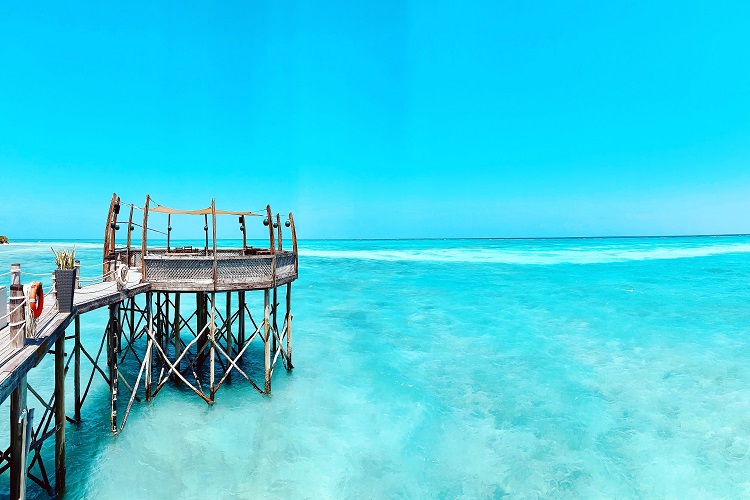
A: Yes — many travelers pair a 2-day fly-in Serengeti or a day trip with a short stay in Zanzibar. Just account for flight times and domestic connections.
Q9: What if my flight is delayed or cancelled?
A: Short safaris are sensitive to schedule changes. Choose operators with contingency plans and confirm refund/transfer policies for bush flights and transfers.
Q10: How soon should I book?
A: For peak season and fly-in packages, book several months ahead. For day trips in non-peak periods you can often book closer in, but verify vehicle and guide availability.
If you want, I can now produce a tailored short-safari plan for your specific dates, budget, and arrival city (Arusha, Kilimanjaro, Zanzibar) — including sample operator options, exact drive times for your hotels, and a cost estimate. Tell me your arrival point and travel dates and I’ll create it.
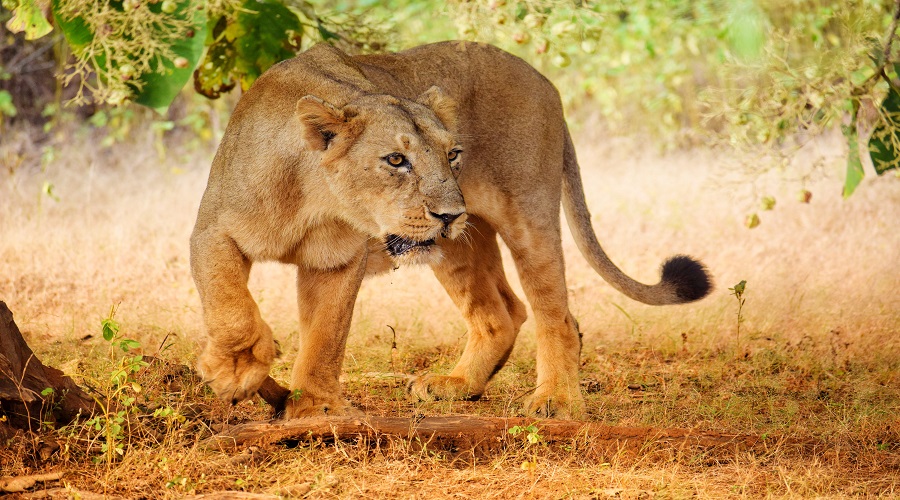
Serengeti National Park

Ngorongoro Crater
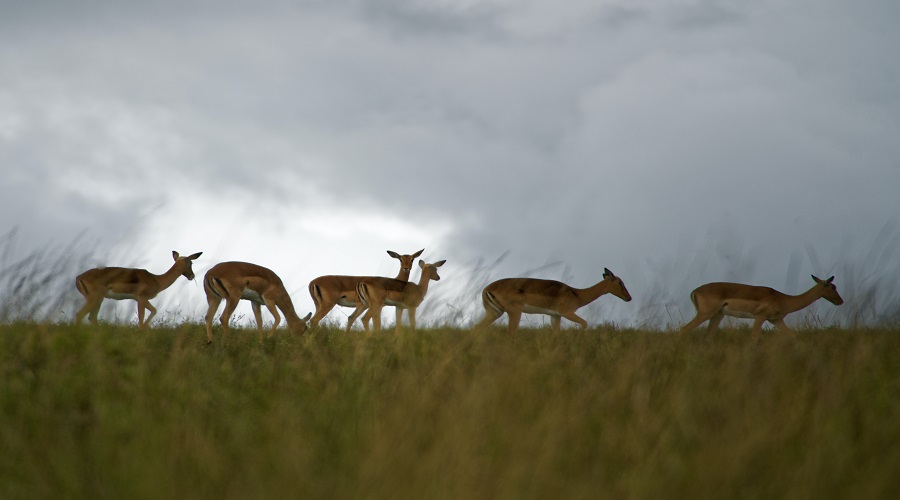
Lake Manyara
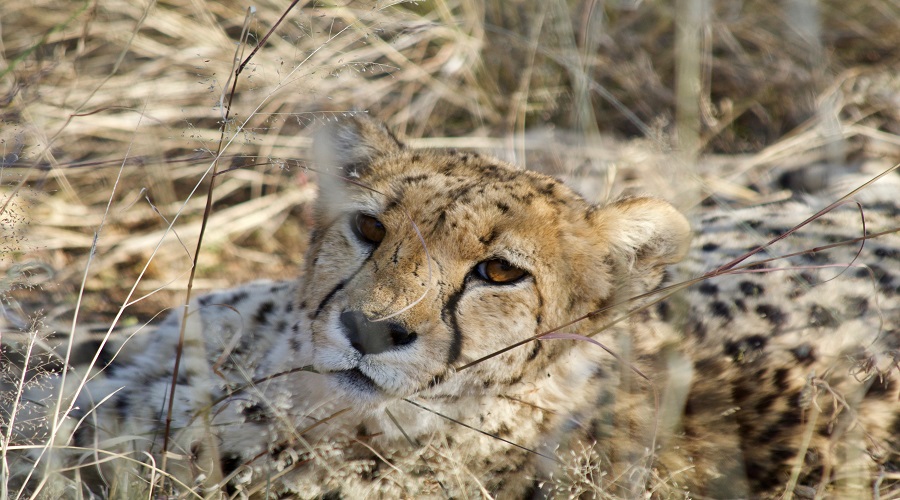
Tarangire National Park