Moshi, Tanzania
-
 +255 742 596 234
  generoustours43@gmail.com





 Moshi, Tanzania +255 742 596 234 generoustours43@gmail.com
Can you combine a Tanzania safari with Mount Kilimanjaro trekking? Discover how to plan a trip that blends wildlife adventures with Africa’s highest peak for the ultimate Tanzania experience.
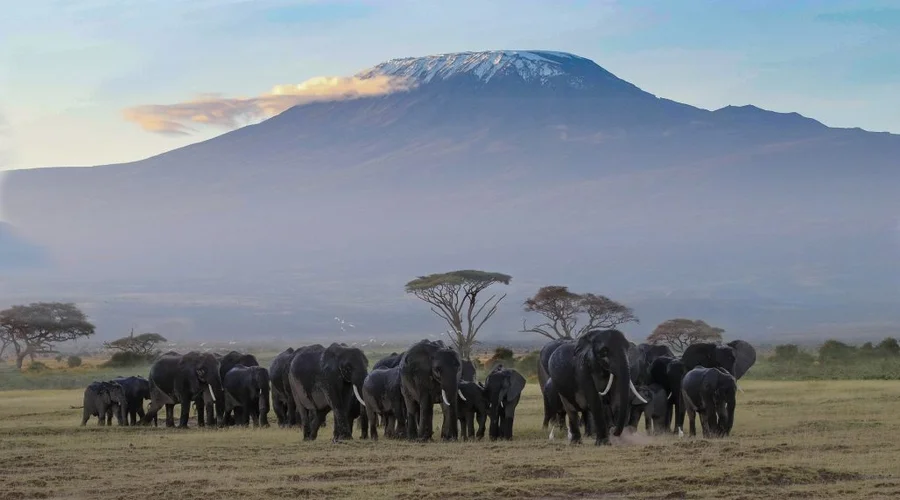
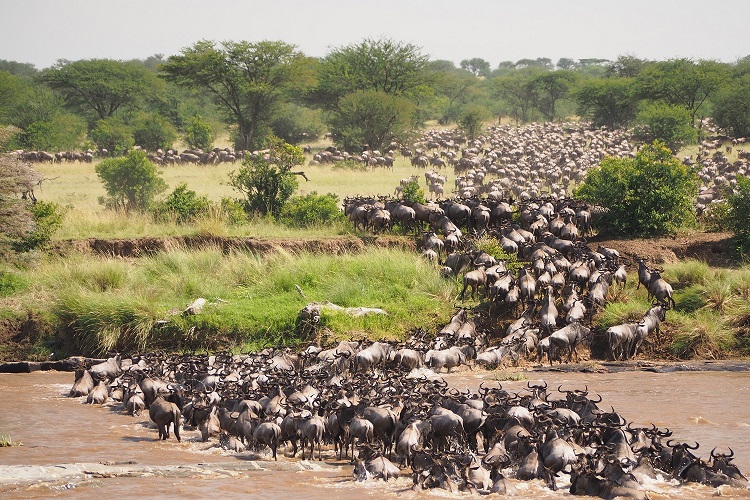
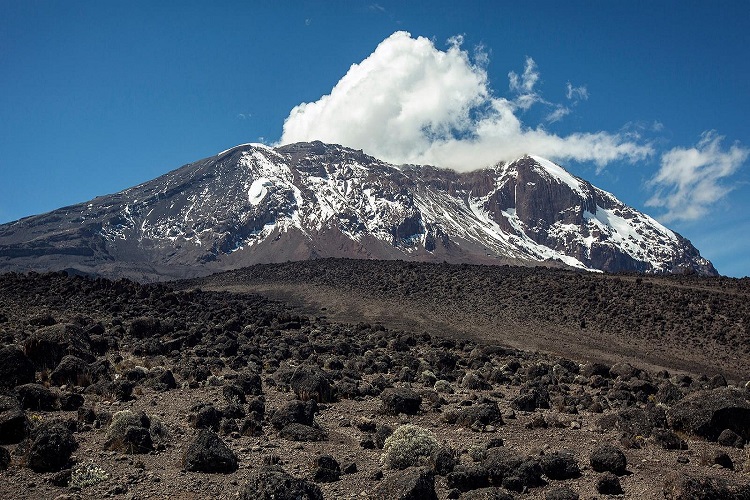
Many travelers wonder if it is possible to combine a thrilling Tanzania safari with a Mount Kilimanjaro trekking expedition—and the answer is absolutely yes. Tanzania is one of the few destinations in the world where you can witness the “Big Five” in vast savannahs and then climb the highest free-standing mountain on Earth, all within the same trip. By carefully planning your itinerary, you can experience both wildlife safaris in world-famous parks like Serengeti, Ngorongoro Crater, and Tarangire, and then conquer the majestic Mount Kilimanjaro. This combination gives you the best of both worlds: the adventure of trekking and the wonder of wildlife.
Travelers who come to Tanzania often dream of two things: going on a safari to see lions, elephants, and giraffes in their natural habitat, and climbing the legendary Mount Kilimanjaro. The good news is that these two adventures complement each other perfectly. With smart planning, you can do both without feeling rushed, enjoying an unforgettable combination of Africa’s wilderness and high-altitude trekking.
This is the most popular choice. Climbing Kilimanjaro requires full energy and focus. After the trek, a safari acts as a perfect reward—letting you relax in a safari lodge, enjoy game drives, and reflect on your achievement. Many travelers choose this route because safari meals and lodges feel especially rewarding after days on the mountain.
Some adventurers prefer to warm up with a safari before attempting Kilimanjaro. A few days on safari can help you adjust to Tanzania’s climate, enjoy a slower pace, and build excitement before the trek. However, it’s important to keep in mind that safaris can be long and tiring, so you’ll need to conserve your energy for the mountain climb.
A typical Kilimanjaro climb takes 6–8 days depending on the route. Adding a safari usually adds 3–7 days. So, plan for at least 10–14 days for a well-paced trip.
Most tours start in Arusha or Moshi. Kilimanjaro International Airport (JRO) makes transfers between mountain treks and safaris easy. Tour operators often design tailor-made packages covering both.
Climbing Kilimanjaro is physically demanding. Consider your energy reserves when planning—doing the trek first ensures you tackle it at peak strength.
During your Kilimanjaro trek, you’ll stay in tents or mountain huts depending on the route. After the climb, safari lodges and camps range from budget to ultra-luxury, offering comfort and recovery. Many travelers appreciate ending their trip with a touch of luxury in the Serengeti or Ngorongoro.
Many itineraries also include cultural tours with local tribes like the Maasai or Chagga. Visiting traditional villages, coffee farms, or local markets adds depth and human connection to your journey, making the safari + Kilimanjaro package even richer.
Yes, you can absolutely combine a Tanzania safari with a Kilimanjaro trekking adventure. By blending the thrill of summiting Africa’s tallest mountain with the wonder of seeing elephants, lions, and wildebeest in their natural habitat, you create the ultimate journey. It’s a once-in-a-lifetime opportunity that offers both physical challenge and unforgettable beauty—an adventure that truly captures the spirit of Tanzania.
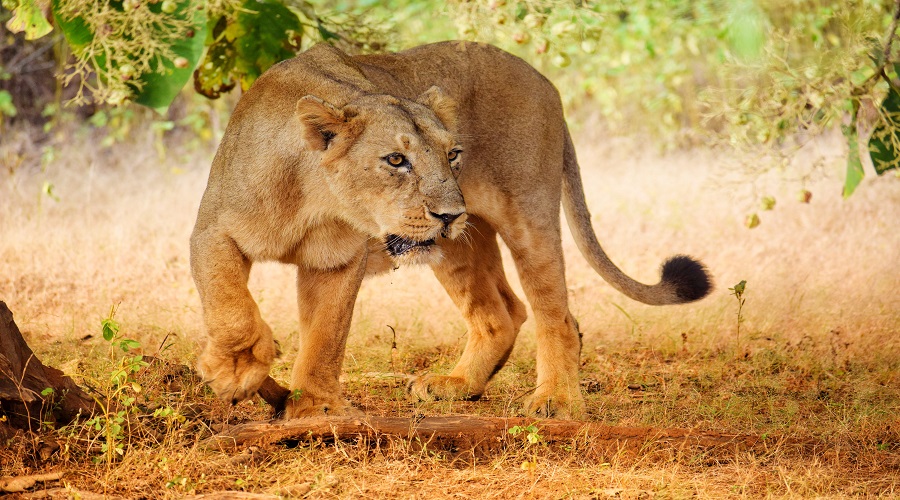
Serengeti National Park

Ngorongoro Crater
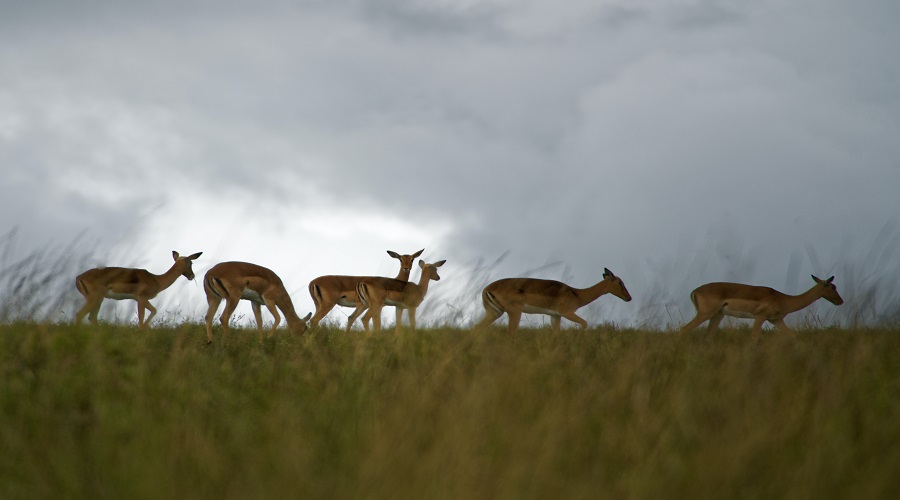
Lake Manyara
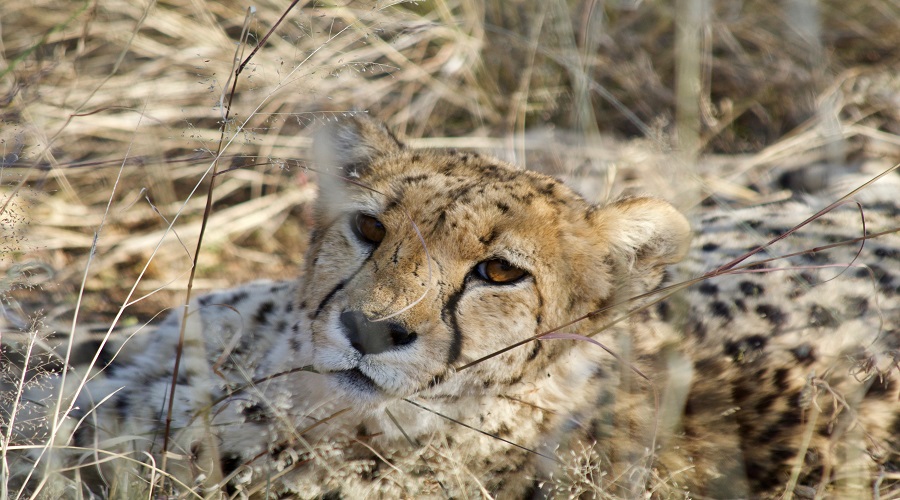
Tarangire National Park