Can I Bring Children on Safari? Age Restrictions, Safety, and the Best Family-Friendly Destinations (Expert Guide) 2025

Yes—children can go on safari. This expert, SEO-optimized guide explains age restrictions by activity (game drives, walking, boating, hot-air ballooning), the best family-friendly destinations (including malaria-free options), safety standards, packing, health & insurance, what’s included/excluded, and 30+ FAQs—so parents can plan confidently.
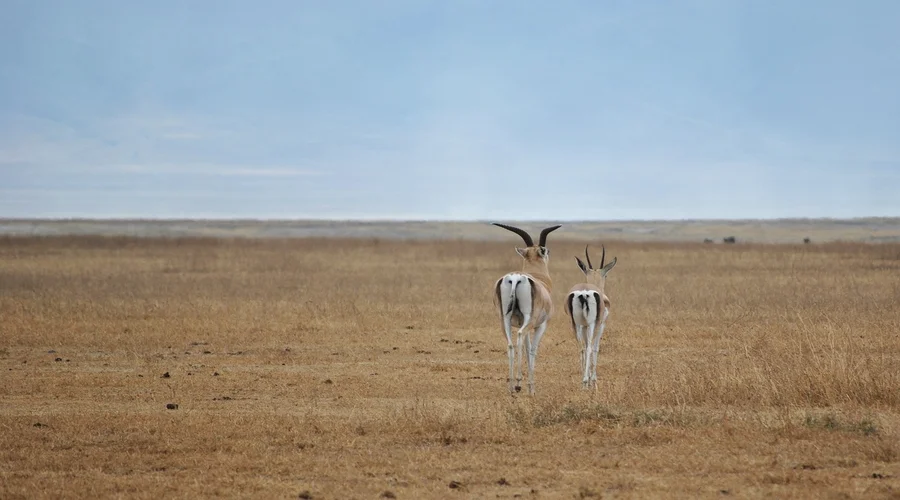

can i bring children on safari

(General Overview - Generous African Tours & Safaris)

Bringing children on safari is absolutely possible and can be life-changing when planned correctly. Age restrictions vary by destination, activity, lodge policy, park regulations, and season. Generally, standard daytime game drives are the most accessible for young kids, while walking safaris, night drives, mokoro/canoe, boating, and ballooning have higher minimum ages. Family-focused lodges and private conservancies offer tailored programs, kid-friendly guides, and flexible schedules; several areas in South Africa are malaria-free, making them ideal for first-time family safaris. Below is a professional, deep-dive article with highlights, destinations, why these choices work for families, comprehensive inclusions & exclusions, and extensive FAQs.


Can I Bring Children on Safari? Age Restrictions & Family-Friendly Planning

Article Highlights

  • Yes, kids can go on safari: Most family-oriented lodges welcome children; policies differ by camp and activity.
  • Age restrictions vary by activity: Daytime game drives often allow younger children; walking, night drives, boating, mokoro/canoe, and hot-air ballooning usually require higher minimum ages.
  • Family-friendly destinations: Private conservancies and malaria-free reserves (e.g., parts of South Africa) are ideal for first-time safaris with children.
  • Safety-first framework: Licensed guides, sensible camp rules, appropriate vehicles, and adherence to park guidelines keep families safe.
  • Flexible pacing: Private vehicles, mid-day breaks, and kid-centered programming (Junior Ranger, bushcraft) help manage attention spans and energy.
  • Health planning: Malaria risk varies by region; consult your clinician on vaccines/prophylaxis. Carry child-appropriate meds and sun/bug protection.
  • Value & comfort tiers: From budget-friendly camps to premium family suites and interleading rooms, options exist for every budget.

Family-Friendly Destinations (Where It Works Best)

All of the following are broadly considered “family-friendly” with many lodges offering child policies, family tents/suites, and activities adapted to younger guests. Always confirm the specific lodge’s minimum ages and seasonal rules.

  • South Africa – Excellent infrastructure, many malaria-free reserves (e.g., Madikwe, Pilanesberg, parts of the Eastern Cape such as Kwandwe/Shamwari). Shorter travel times, fenced reserves in some cases, child-minder services, and strong kids’ programs.
  • KenyaMara conservancies, Laikipia, Lewa, Ol Pejeta excel for private vehicles, flexible activities, shorter drives inside conservancies, and culturally rich add-ons (Maasai, Samburu). Some camps welcome children from 5–6+ (younger by arrangement).
  • Tanzania – Northern Circuit (Serengeti, Ngorongoro, Tarangire, Manyara) offers abundant wildlife and family tents. Private concessions and special campsites can add flexibility. Walking/ballooning have higher minimum ages; confirm per operator.
  • Namibia – Wide-open landscapes, self-drive options for older children, desert-adapted wildlife (Etosha, Damaraland, Skeleton Coast). Some activities have higher age limits due to remoteness and terrain.
  • Botswana – Exceptional wildlife and water-based experiences (Okavango Delta, Chobe). Many premium camps set minimum ages (commonly 6–12+). Mokoro/boating typically have stricter age rules.
  • Zambia & ZimbabweLower Zambezi, Mana Pools, Hwange, South Luangwa are superb for seasoned family travelers; walking and canoeing age limits are higher (often 12–16+).

Age Restrictions & Activity Eligibility (General Guidance)

Exact policies vary by operator, concession owner, and park authority. Use this as a planning baseline and verify with your chosen lodge.

  • Daytime game drives: Commonly all ages to 6+ depending on camp; shared vehicles may enforce 6–8+ for comfort and safety. Private vehicles can accommodate younger kids more easily.
  • Night drives: Typically 8–12+ with the ability to sit quietly and follow spotlight etiquette.
  • Walking safaris (nature walks near camp vs. big game walks): Short, guided “bush bumbles” near camp can be 6–10+; true big-game walks often 12–16+ minimum.
  • Mokoro/canoe/boat: Frequently 12+ for canoes/mokoros; motorboat cruises may allow younger children with life jackets and calm-water conditions (often 6–8+).
  • Hot-air ballooning: Usually 7–8+ with height minimums (~1.2 m/4 ft) and the ability to stand unassisted for an hour.
  • Horseback/quad biking: Highly variable; horseback often 12–14+ depending on skill level; quad biking commonly 12–16+.
  • Gorilla trekking (Rwanda/Uganda) & Chimp trekking (various): Gorilla trekking typically 15+; chimp trekking often 12–15+ depending on park.

Why These Choices Work for Families (Professional Rationale)

  • Malaria-free options reduce complexity: South Africa’s malaria-free reserves let families skip chemoprophylaxis (medical advice still recommended), easing concerns for younger kids.
  • Private conservancies = flexible rules: Conservancies adjacent to flagship parks (e.g., Maasai Mara) allow off-road driving, night drives, and walking with trained guides—often with clearer, family-aware policies than crowded public parks.
  • Infrastructure & medical access: Countries with strong transport networks and nearby clinics/hospitals offer extra reassurance.
  • Programming & staffing: Lodges with certified child-minders, kids’ clubs, “Junior Ranger” activities, and family suites simplify logistics and keep children engaged.
  • Shorter transfers & flight options: To combat jet lag and travel fatigue, choose routes with shorter drives or light aircraft hops; book a private vehicle to manage nap times and early returns to camp.

Practical Planning (Health, Safety, Logistics)

  • Health consult: Speak with your clinician about routine immunizations and any recommended malaria prophylaxis depending on the region and season.
  • Sun & insects: Wide-brim hats, SPF 30+, child-safe repellents, long-sleeve layers at dusk and dawn, and proper hydration.
  • Car seats & boosters: Request age-appropriate seats in transfer vehicles and private safari vehicles where possible.
  • Documents for minors: Some countries require unabridged birth certificates and/or notarized consent letters when a child travels with one parent/guardian—verify before travel.
  • Camp rules: No running between tents, always walk with an adult after dark, keep tents zipped, never store food in tents, and follow guide instructions.
  • Noise & attention spans: Book a private vehicle so you can pause drives, take snack/toilet breaks, and return to camp when kids tire.
  • Connectivity: Expect limited signal/Wi-Fi; download entertainment and audiobooks offline before departure.

What’s Typically Included (Family Safaris)

  • Accommodation in family suites/tents or interleading rooms (where available).
  • All meals—often child menus or flexible kitchen for picky eaters; snacks and filtered water.
  • Scheduled game drives with licensed guides; some properties include short child-friendly nature walks within camp limits.
  • Park fees/conservancy levies as specified in your booking.
  • Shared or private 4x4 safari vehicles with seatbelts and pop-top roofs; booster/car seats on request (confirm availability).
  • Child-focused activities: junior ranger badges, tracking lessons, bushcraft (varies by lodge).

What’s Usually Excluded

  • International and regional flights; excess baggage on light aircraft.
  • Travel insurance (medical + evacuation strongly recommended).
  • Visas, vaccination costs, and malaria prophylaxis (if applicable).
  • Premium drinks, laundry (sometimes included at premium camps), spa services.
  • Optional activities with higher age limits (ballooning, big-game walking, mokoro/canoe, horseback, quad biking).
  • Tipping for guides, trackers, child-minders, and camp staff.

Packing List for Kids (Field-Tested)

  • Clothing: Neutral colors, breathable fabrics, warm layer for mornings/evenings, lightweight rain shell.
  • Footwear: Closed-toe sneakers/boots; camp sandals; socks for warmth.
  • Sun & bug protection: Wide-brim hat, child-safe repellent, SPF lip balm, after-bite cream.
  • Comfort & sleep: Travel pillow, small soft toy/blanket, ear defenders if sensitive to camp sounds.
  • Health kit: Any prescriptions, pediatric pain/fever reducer, rehydration salts, motion-sickness tabs (as advised by clinician), plasters.
  • Entertainment & learning: Binoculars (light 8x), wildlife sticker books, colored pencils, camera with strap, field guide.
  • Tech: Power bank, offline shows/playlists, e-reader.

Cost Drivers (How to Optimize for Families)

  • Season: Peak school holidays and dry seasons cost more; shoulder seasons can be excellent value.
  • Destination & park fees: Conservancy levies and national park fees vary widely.
  • Vehicle type: Private vehicles increase cost but dramatically improve comfort with kids.
  • Lodge category: Malaria-free, fenced or family-amenity-heavy lodges may price higher.
  • Transfers: Charter flights save time but raise budgets; consider smart routing to reduce long drives.

Frequently Asked Questions (Extended)

1) What’s the best age to take a child on safari?
Many families find ages 6–12 ideal: kids can sit quietly, follow instructions, and fully enjoy sightings. Younger children can still go—opt for private vehicles and shorter drives.

2) Are infants and toddlers allowed?
Some lodges welcome infants; others set minimum ages (often 4–6+). Private vehicles are strongly recommended with little ones.

3) Will we see the Big Five with kids along?
Yes—your sightings depend on habitat and time in the field. Private vehicles help you maximize opportunities while pacing for children.

4) Do lodges provide child-minders?
Many family-focused properties offer trained child-minders/babysitters during siesta or dinner; pre-book and confirm rates.

5) What are typical age limits for walking safaris?
Short “bush bumbles” near camp may allow 6–10+; true big-game walks are often 12–16+ with strict guide-to-guest ratios.

6) Can my child do a night drive?
Often 8–12+ depending on camp; the child must remain quiet and seated with a seatbelt when required.

7) Is there Wi-Fi?
Often limited or unavailable. Plan to be offline and preload entertainment for downtime.

8) Are malaria-free safaris real?
Yes—several South African reserves are malaria-free. Elsewhere, malaria risk varies; seek medical advice and use bite prevention.

9) What about food and picky eaters?
Kitchens can prepare simple, familiar meals. Share preferences/allergies in advance; many camps maintain flexible children’s menus.

10) Can we request a private vehicle?
Yes. It’s the top recommendation for families to control pace, breaks, and noise levels.

11) Are tents safe for kids?
Yes when rules are followed: keep tents zipped, no food inside, and always walk with an adult at night. Camps have protocols for wildlife movement.

12) How long are game drives?
Typically 2.5–4 hours. With kids, plan flexible durations, strategic snack stops, and restroom breaks.

13) Do we need car seats?
Request them in advance; availability varies. You can bring your own if required by your comfort or local regulations.

14) What’s the policy on motion sickness?
Graded dirt roads can be bumpy. Ask your clinician about child-safe remedies; seat kids where visibility is best and ventilate the vehicle.

15) How noisy can kids be at sightings?
Quiet is essential near wildlife for safety and courtesy. Private vehicles mitigate pressure from other guests.

16) Can children join hot-air ballooning?
Often allowed from 7–8+ with height limits (~1.2 m/4 ft). Weather and operator policies apply.

17) Are there fenced reserves?
Yes, some South African reserves are fenced, offering extra peace of mind with young children (still follow camp rules).

18) What are conservancies and why are they good for families?
They’re privately managed wildlife areas with limited vehicle numbers and flexible activities (night drives/off-road/walking) that can be more adaptable for kids.

19) How do we handle naps and early bedtimes?
Use midday siesta, request earlier dinners, and shorten afternoon drives. Private vehicles make this easy.

20) Is laundry available?
Often yes (sometimes included at premium camps). Helpful for child clothing turnover.

21) Do we tip staff and child-minders?
Tipping is customary; ask your operator for current guidelines per role (guide, tracker, child-minder, housekeeping).

22) What about schoolwork while traveling?
Connectivity is limited; plan offline assignments and reading. Some camps offer nature-based learning activities.

23) Can we bring a stroller?
Compact, all-terrain strollers help in camps with pathways; not used on game drives.

24) Are snakes and insects a problem?
Occasional. Wear closed shoes, use repellent, keep tents zipped, and follow staff guidance.

25) Are drones allowed for family videos?
Usually prohibited or tightly restricted. Don’t bring one without written permits.

26) Are there minimum heights/weights for activities?
Yes for some (ballooning, horseback, certain boats). Confirm specifics with your operator.

27) Do we need special insurance?
Purchase comprehensive travel insurance covering medical evacuation. Verify that minors are covered for the planned activities.

28) Can kids swim?
Only in designated, secure pools. Never near wild water sources or rivers unless supervised in a camp pool area.

29) Are there cultural experiences suitable for children?
Yes—village visits, beadwork, warrior training demos, school visits (where appropriate). Choose respectful, community-benefit programs.

30) How far in advance should we book?
For peak seasons and family rooms, several months in advance is wise—especially if you need interleading rooms or private vehicles.

Book Your Tour

Book With Us

Our Best Tours In Tanzania

Generous Tours

4 Days Tanzania Great Serengeti Migration Safari

4 days
Tanzania
Generous Tours

4 Days zanzibar Holiday & Vacation Tours

4 Day
Zanzibar
Generous Tours

5 Days Marangu Route Kilimanjaro Climbing

5 Day
Kilimanjaro
English