Are Walking Safaris Safe, and Where Are They Offered?
Article Highlights
- Walking safaris offer an intimate experience with African wildlife in their natural habitats.
- Safety is ensured through professional guides, armed rangers, and strict park protocols.
- Available in Tanzania, Kenya, Botswana, South Africa, Zimbabwe, and Zambia, mostly in private concessions and controlled areas.
- Opportunities to learn about animal behavior, tracking, ecology, and local flora and fauna.
- Variety of experiences: half-day walks, multi-day walking safaris with mobile camping, and specialized photography treks.
- Complementary to traditional game drives, often combined for a holistic safari adventure.
Popular Destinations for Walking Safaris
Walking safaris are primarily offered in regions where wildlife density and controlled environments allow safe encounters. Key destinations include:
- Selous Game Reserve / Nyerere National Park, Tanzania – Offers multi-day walking safaris with armed guides along rivers, floodplains, and woodland areas.
- Ruaha National Park, Tanzania – Less crowded, ideal for experienced safari-goers; walking safaris provide insight into predator and elephant behavior in remote wilderness.
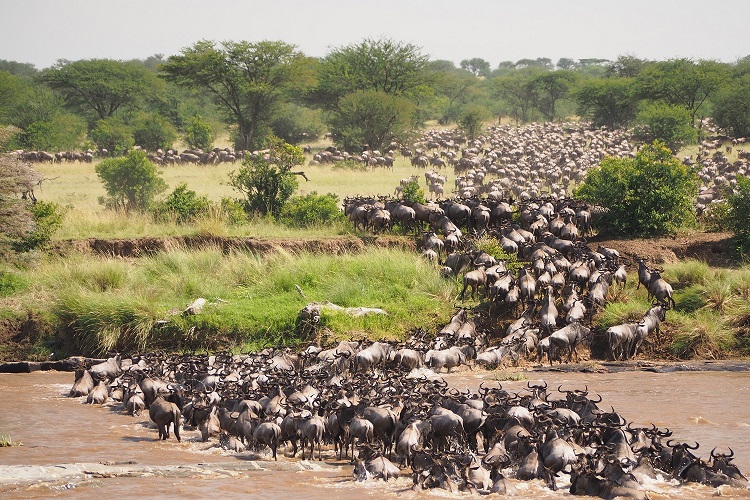
- Serengeti Private Concessions, Tanzania – Selected areas allow guided walking, particularly around seasonal migration zones and near riverbeds with controlled safety measures.
- Manyara Ranch / Lake Manyara area, Tanzania – Offers short walking safaris for birdwatchers and educational wildlife tracking.
- Mara North Conservancy & Olare Orok, Kenya – Well-managed conservancies with high predator density; walking safaris are led by armed Maasai rangers and professional guides.
- Laikipia Plateau, Kenya – Private ranches and conservancies offer walking safaris focusing on rhinos, elephants, and predator tracking.
- South Africa (Kruger National Park and private reserves) – Many lodges run guided bush walks with armed guides.
- Zimbabwe (Mana Pools National Park) – World Heritage site offering walking safaris along the Zambezi River.
- Zambia (South Luangwa National Park) – Considered the birthplace of walking safaris; experienced guides lead guests on day and night bush walks.
- Botswana (Okavango Delta, Moremi Reserve) – Walking safaris focus on delta ecosystems and smaller fauna, with armed guides for safety.
Why Choose a Walking Safari?
Walking safaris allow you to:
- Experience wildlife at eye level, understanding their behavior, scent, and movement patterns.
- Engage with guides for detailed knowledge of tracking, ecology, flora, and animal signs.
- Access remote areas unreachable by vehicles, providing a sense of adventure and authenticity.
- Combine physical activity with wildlife observation, ideal for active travelers.
- Support conservation, as many walking safari concessions prioritize low-impact tourism and local community involvement.
- Enjoy night-time and dawn experiences, including birdcalls, nocturnal animal sounds, and fresh morning sightings.
Safety Protocols and Measures
Walking safaris are inherently more hands-on but safe when guided by trained professionals. Safety measures include:
- Armed and licensed guides who understand animal behavior and threat management.
- Pre-walk briefings covering risks, safe distances, and group conduct.
- Walking in small groups to minimize risk and disturbance to wildlife.
- Strict adherence to park regulations and avoiding areas with high predator concentration during dangerous hours.
- Constant monitoring of the surroundings, including predator and elephant activity, with contingency escape plans.
- Provision of first aid kits and mobile communication devices for emergencies.
- Use of “quiet zones” and scent management to reduce sudden wildlife encounters.
Types of Walking Safaris
- Short Day Walks: Usually 2–4 hours; ideal for birdwatching, photography, and learning animal tracks and bush skills.
- Half-Day or Full-Day Walks: Often include picnic lunches in scenic locations with temporary shaded spots.
- Multi-Day Walking Safaris: Include mobile camps or tented accommodations, full-board meals, and guided exploration over several days; often integrated with vehicle support for luggage and logistics.
- Photography & Tracking Safaris: Specialized walks focusing on photographing wildlife, learning tracking skills, and studying ecosystem interactions.
Inclusions
- Licensed and trained safari guide/armed ranger accompaniment.
- All park/concession entry fees and permits for walking.
- Meals, drinking water, and sometimes mobile camp accommodation for multi-day walks.
- Use of binoculars, tracking tools, and safety equipment (provided by operator).
- Briefings and safety orientation before every walk.
- Emergency communication and first-aid kit access.
Exclusions
- International and domestic flights to Africa and within countries.
- Visa, travel insurance, and vaccinations.
- Alcoholic drinks and personal items unless specified.
- Optional add-ons like balloon flights, night drives, or cultural experiences.
- Tips for guides, porters, or staff.
FAQs
Q: Are walking safaris safe?
A: Yes. Walking safaris are safe when conducted with licensed guides and armed rangers who understand wildlife behavior, enforce safety distances, and follow strict park protocols.
Q: Can anyone participate in a walking safari?
A: Walking safaris are generally suitable for fit travelers. Some multi-day walks require moderate fitness; consult your operator for accessibility or age restrictions.
Q: Are children allowed?
A: Many conservancies allow children on short walks; age limits vary. Some multi-day treks may not be suitable for young children.
Q: What should I wear?
A: Neutral-colored, lightweight clothing; sturdy shoes; hat; sunscreen; insect repellent; layers for morning/evening chills. Avoid bright colors or strong perfumes.
Q: How close will I get to wildlife?
A: Walking safaris maintain safe distances. Guides control approach, usually 10–30 meters for large animals, closer for smaller or non-predatory species.
Q: What is the best time for walking safaris?
A: Dry seasons (June–October) provide easier terrain and predictable wildlife movements. Green season offers lush scenery, fewer crowds, and unique flora but may involve wet trails.
Q: How long do walks last?
A: Short walks: 2–4 hours; half-day: 4–6 hours; full-day: 6–8 hours; multi-day walks: 2–7 days depending on itinerary and operator.
Q: Is photography allowed?
A: Yes, walking safaris are ideal for photography. Guides advise on angles, distances, and safety while ensuring minimal disturbance to wildlife.
Q: What equipment is provided?
A: Guides supply basic tracking tools, binoculars, safety vests, and first-aid kits. Personal cameras, binoculars, and hydration packs are recommended.
Q: Do I need prior experience?
A: No experience required. Guides provide orientation, tracking lessons, and step-by-step instructions for safety and optimal wildlife viewing.
Q: Can walking safaris be combined with vehicle safaris?
A: Yes. Many itineraries mix walking with game drives to access diverse habitats and improve wildlife observation opportunities.