Are Safaris in Tanzania Safe?
Article Highlights
- Understanding wildlife behavior and park safety protocols.
- Choosing the right safari operators, guides, and vehicles.
- Health, medical precautions, and travel insurance considerations.
- Transport safety, road conditions, and seasonal factors.
- Accommodation safety, from lodges to campsites.
- Risk management for first-time and experienced safari travelers.
- Responsible and ethical tourism practices.
Popular Safari Destinations in Tanzania
Tanzania offers numerous parks and conservation areas where safety protocols are well-established. Key destinations include:
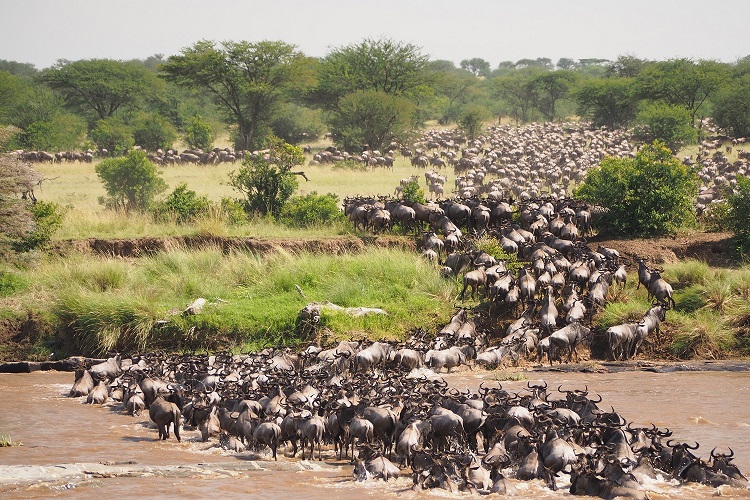
- Serengeti National Park – Famous for the Great Migration, predator sightings, and professional park management ensuring visitor safety.
- Ngorongoro Crater – A UNESCO World Heritage Site with dense wildlife populations and regulated viewing points to minimize risk.
- Tarangire National Park – Known for elephant herds and baobabs; safe safari routes and trained guides enhance visitor security.
- Lake Manyara National Park – Dense forests and tree-climbing lions; ranger presence and clear guidelines help protect tourists.
- Ruaha National Park – Remote park offering wilderness experiences with professional guides ensuring safety in less trafficked areas.
- Nyerere National Park (Selous) – Managed walking and boating safaris reduce risk while allowing close wildlife observation.
- Mikumi, Katavi, Mahale, Saadani – Smaller or specialized parks with professional operators and strict safety protocols.
Why Choose a Safari in Tanzania?
Tanzania is globally recognized for safari safety when travelers follow guidelines and use licensed operators. Benefits include:
- Highly trained guides with extensive knowledge of wildlife behavior and park rules.
- Strict regulations in parks and conservation areas that reduce risk from wildlife encounters.
- Safely designed safari vehicles with reinforced seating, pop-up roofs, and seat belts for game drives.
- Ranger patrols and park infrastructure that prevent incidents and provide rapid support if needed.
- Professional operators offering health, hygiene, and security support in lodges and camps.
- Emergency response plans and communication equipment available for remote areas.
- Educational briefings on wildlife safety, responsible viewing distances, and behavior inside parks.
Safari Safety Measures
Visitors should be aware of general safety measures to reduce risks:
- Wildlife Safety: Always remain inside vehicles unless accompanied by an authorized guide. Maintain safe distances from predators and large herbivores.
- Park Regulations: Follow speed limits, stop at designated viewing points, and adhere to park rules and signage.
- Night Safety: Avoid walking alone at night. Lodges and camps are secured, and guides provide instructions for evening activities.
- Vehicle Safety: Use 4x4 vehicles with trained drivers for off-road terrain; ensure seat belts and pop-up roofs are in good condition.
- Communication: Mobile phone coverage is limited in remote areas; operators provide radios and satellite communication where needed.
Health and Medical Safety
- Consult a travel doctor for vaccinations (yellow fever, typhoid, hepatitis A/B) and malaria prophylaxis.
- Bring personal medications, first aid kits, sunscreen, insect repellent, and hand sanitizers.
- Ensure adequate hydration and food safety practices; rely on operator-prepared meals and bottled water.
- Travel insurance with medical evacuation is strongly recommended.
- Know the location of the nearest hospital or medical facility for emergency situations.
Transport and Road Safety
- Travel on well-maintained park roads under the guidance of a driver-guide familiar with local conditions.
- Be cautious when driving between parks; roads can be uneven and subject to seasonal weather effects.
- Use reliable operators with proper 4x4 vehicles, insurance, and experienced drivers.
- Follow instructions during air transfers between parks, including safety briefings for small aircraft or bush planes.
Accommodation Safety
- Lodges and tented camps are located inside or near parks with perimeter security, trained staff, and emergency procedures.
- Luxury and semi-luxury tented camps provide lockable tents, night guards, and structured meal times to reduce wildlife interactions.
- Budget campsites are supervised by rangers or guides, and shared facilities are maintained to international hygiene standards.
- Mobile camps relocate with wildlife and operate with professional camp staff to maintain safety and sanitation.
Inclusions
- Professional driver-guide with extensive knowledge of local wildlife and park regulations.
- Park entry fees and required permits.
- Secure accommodation in lodges, tented camps, or mobile camps.
- Daily meals and safe drinking water.
- 4x4 safari vehicles with safety features for game drives.
- Emergency and first-aid equipment provided by operators.
Exclusions
- International and domestic flights, visas, and travel insurance.
- Optional activities not part of the booked itinerary.
- Alcoholic drinks and personal expenses unless specified.
- Tips for guides, drivers, and camp staff.
- Personal medical costs and medications.
FAQs
Q: Are safaris in Tanzania safe for families with children?
A: Yes. Family-friendly lodges and campsites follow strict safety protocols. Private vehicles and guides ensure child safety on game drives.
Q: Can solo travelers go on safaris safely?
A: Absolutely. Licensed operators provide guided tours, and most travelers join groups or private safaris with professional support.
Q: Are night drives allowed in Tanzania?
A: Night drives are permitted only in select parks and private areas under strict supervision. Serengeti National Park generally prohibits night drives.
Q: How do I stay safe during wildlife encounters?
A: Always stay in the vehicle, follow your guide’s instructions, and maintain recommended distances from animals. Do not feed or provoke wildlife.
Q: What health precautions should I take before a safari?
A: Vaccinations, malaria prophylaxis, personal first aid, hydration, and travel insurance are essential. Consult a travel doctor well before departure.
Q: Are lodges and camps secure at night?
A: Yes. Camps and lodges have security personnel, fences where necessary, and established procedures for evening hours.
Q: Can I drive myself on a Tanzanian safari?
A: Self-driving is generally discouraged due to challenging terrain, park regulations, and wildlife risks. Professional guides are recommended.
Q: Is it safe to go on walking safaris?
A: Walking safaris are only permitted in designated areas with trained guides and rangers. Visitors should follow instructions and wear appropriate clothing and footwear.
Q: How do I choose a safe safari operator?
A: Verify licensing, insurance, vehicle condition, experienced guides, and positive reviews. Ensure clear communication about inclusions, rules, and safety measures.
Q: Are there risks from theft or crime?
A: Safaris inside parks are generally safe from crime. Exercise caution in towns or rural areas outside parks, avoid displaying valuables, and follow your guide’s advice.
Q: How does seasonality affect safari safety?
A: Dry seasons provide easier driving conditions and better visibility; rainy seasons may result in muddy roads. Guides adjust routes and vehicle choice accordingly.
Q: Are bush planes safe?
A: Licensed air operators follow international safety regulations, pilot experience, and pre-flight safety checks. Always listen to instructions.