Are Camping Safaris Available in Tanzania?
Tour Highlights
- Immersive wilderness: sleep under canvas inside or near national parks and hear the bush come alive at night.
- Wide range of comfort levels: from budget dome tents to walk-in meru tents with en-suite facilities.
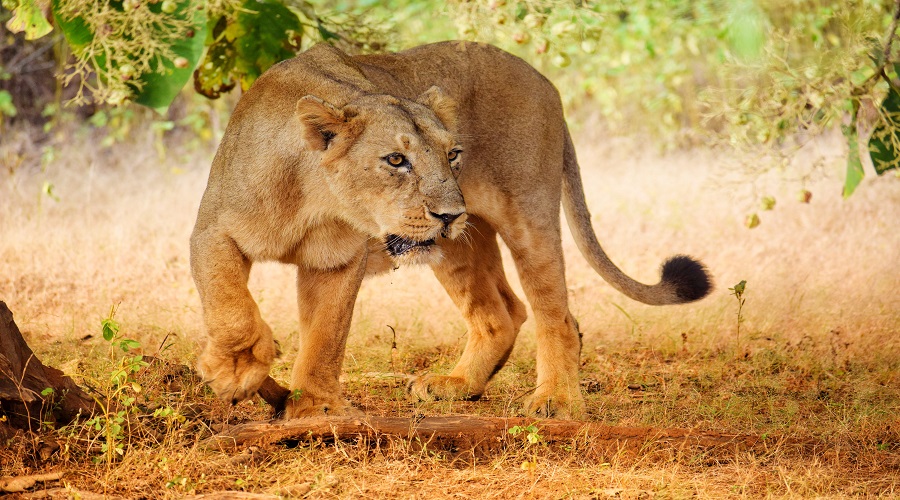
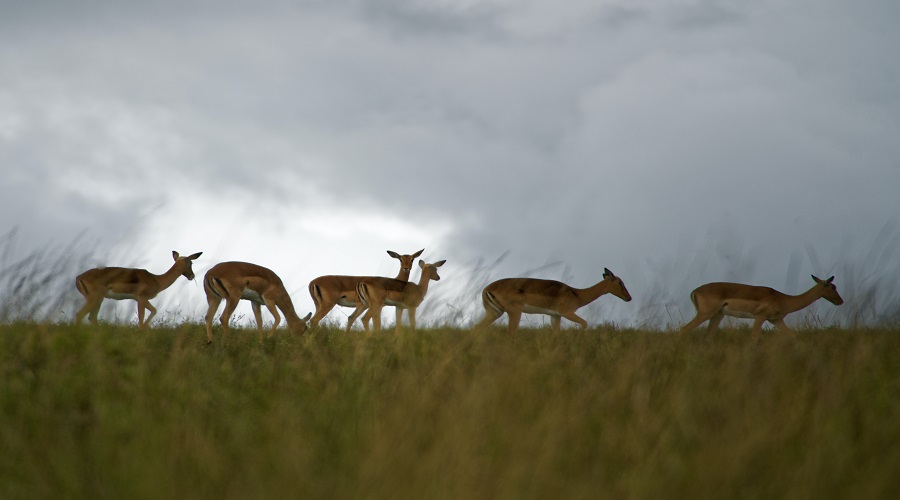
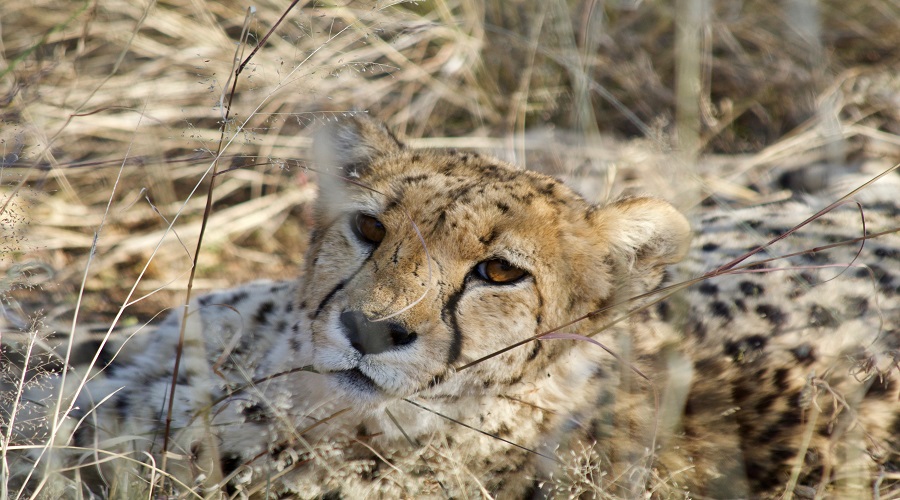
- Top-tier wildlife: Big Five potential (in select areas), big cats, elephants, plains game, rich birdlife.
- Flexible routing: operators can position camps and drives around seasonal wildlife movements.
- Chef-prepared meals and dedicated crew: camp cook, driver-guide, and—on higher tiers—camp attendants.
- Photography-friendly: early starts, golden-hour game drives, and the ability to linger at sightings.
- Ethical, low-impact travel when done properly: temporary camps with minimal permanent footprint.
Popular Camping Safari Destinations in Tanzania
Tanzania’s parks and conservation areas cover multiple ecosystems—savannahs, volcanic highlands, wetlands, and river systems—making camping a versatile choice across the country.
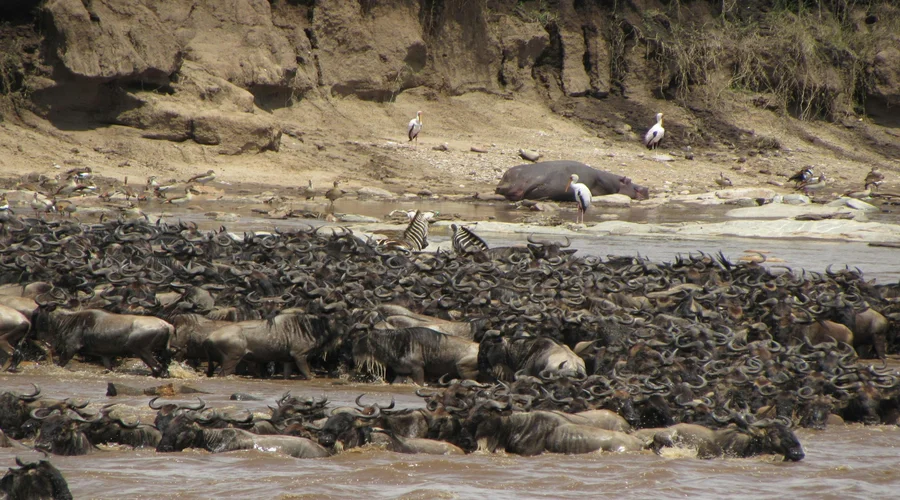
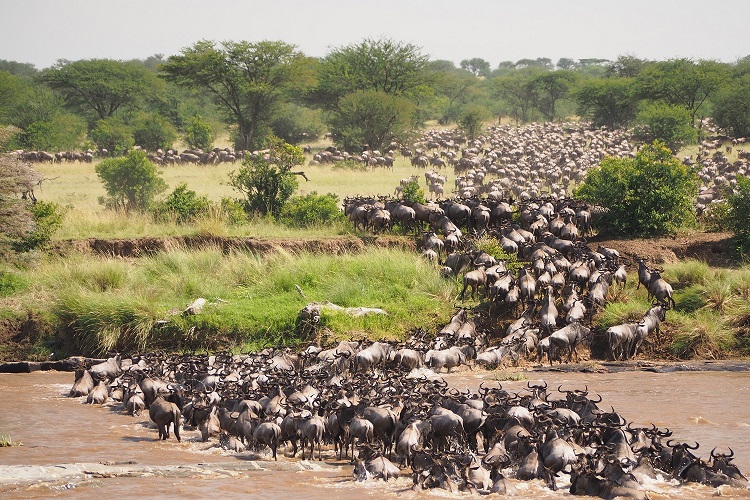
- Serengeti National Park – Year-round predator action and seasonal Great Migration viewing. Central (Seronera) has reliable cats; western and northern corridors shine mid-year for river crossings (season-dependent).
- Ngorongoro Conservation Area (including the Crater & Ndutu) – Exceptionally dense wildlife in the caldera; Ndutu (on the NCA side) is renowned for the January–March calving season and dramatic predator-prey interactions.
- Tarangire National Park – Dry-season elephant concentrations, photogenic baobabs, and varied habitats; quieter than Serengeti but superb for classic game viewing.
- Lake Manyara National Park – Compact park with groundwater forest, alkaline lake birding, primates, and seasonal sightings of tree-climbing lions.
- Ruaha National Park – Vast, rugged southern park with big lion prides, mixed woodlands, and far fewer vehicles—ideal for seasoned safari-goers.
- Nyerere National Park (formerly Selous) – Africa’s largest protected area by some measures; notable for boat safaris on river channels and authorized walking with armed rangers in designated zones.
- Mikumi, Katavi, Mahale, Mkomazi, Saadani – Specialist options: Katavi’s remote dry-season densities, Mahale’s forested slopes for chimp trekking, Saadani’s bush-meets-beach novelty.
Types of Camping Safaris in Tanzania
- Budget/Public Campsite Camping – Dome tents in designated campgrounds with shared ablutions. Best value, social atmosphere, and a classic “on-the-ground” feel.
- Special/Private Campsites – Pre-booked wilderness sites without other groups. Maximum privacy and soundscape; operators provide private ablutions (portable shower/toilet).
- Semi-Luxury (Meru-Style) Tents – Walk-in canvas tents with real beds, proper linens, and often en-suite facilities (chemical toilet/bucket shower). Excellent comfort without permanent structures.
- Mobile Tented Camps – Fully serviced, non-permanent camps that relocate seasonally (e.g., to Migration hot spots). Larger staff, dining tents, and thoughtful touches like lantern-lit pathways.
- Fly-Camping (Select Areas) – Ultra-light, minimalist overnight setups tied to walking or river experiences; only with specialist operators and mandatory ranger support.
Seasonality & When to Go
- June–October (Dry Season): Prime general game viewing. Sparse foliage improves visibility; wildlife clusters around water. Cooler mornings/evenings in highlands.
- January–March (Green Season Calving around Ndutu): Calving herds attract predators; dramatic action with lush backdrops. Afternoon showers possible.
- November–December (Short Rains): Greener scenery, fewer crowds, good value. Intermittent showers with pleasant temperatures.
- March–May (Long Rains): Very lush and quiet; some roads can be muddy and certain camps may close or shift operations. Rewarding for birders and photographers seeking moody skies.
Camp Life, Comfort & Facilities
Sleeping & Tents
Budget setups include sturdy dome tents with thick foam mattresses or camp cots; semi-luxury and mobile tents are walk-in height with proper beds. Nights can be cool on crater rims and highlands—operators supply warm sleeping bags and extra blankets on request.
Showers & Toilets
Public camps use shared ablution blocks (mix of flush/long-drop). Private/special camps bring a camp shower (hot water on request) and a private portable or chemical toilet—cleaned by staff.
Power & Lighting
Most vehicles offer 12V/220V charging while driving; camps may use solar or small inverters for lights and limited charging. Bring a high-capacity power bank and spare camera batteries.
Meals & Dietary Needs
Camp chefs produce hearty meals: cooked breakfasts, picnic lunches for the field, and hot dinners (stews, grilled meats, vegetarian mains, salads, and fresh fruit). With notice, operators routinely cater to vegetarian, vegan, gluten-free, and halal preferences.
Connectivity
Signal is patchy in parks. Don’t rely on Wi-Fi. Advise family about limited contact; download offline maps, e-books, and playlists before departure.
Permits, Rules & Ethics
- Operators arrange national park entry and camping permits in advance; special/private campsites require early booking.
- Stay within campsite boundaries after dark; always move with a guide if escorts are offered.
- Night drives are allowed only in specific parks or private areas with proper authorization; generally not inside Serengeti NP.
- Leave-No-Trace: keep noise low, pack out waste where required, and never feed or harass wildlife.
- Drone use is tightly restricted; seek explicit written permits if applicable.
Costs & Value: What Influences Price
- Season: Dry-season and holiday periods price higher than shoulder or green seasons.
- Park Selection: Some parks/conservation areas have higher daily fees.
- Camping Style: Budget public sites vs. private/special or mobile luxury setups change the cost base significantly.
- Group Size & Vehicle Occupancy: More guests sharing a vehicle reduces per-person cost; private departures cost more.
- Logistics: One-way routes, remote areas, or flying sectors increase costs; simple loops are more economical.
- Extras: Balloon rides, night drives (where legal), walking permits, and premium drinks add to the bill.
Typical ranges (guidance only): Budget camping ~USD 150–250 pppd; semi-luxury/mobile ~USD 350–800+ pppd, depending on season, routing, and inclusions.
Inclusions
- Camping accommodation (budget, special/private, semi-luxury, or mobile depending on package).
- Professional driver-guide; private 4x4 with pop-top roof (or shared vehicle on group trips).
- All scheduled meals and safe drinking water.
- National park entry fees and camping permits as per itinerary scope.
- Camping gear (tents, mattresses/cots, bedding, tables, chairs, lights); private ablutions on special camps.
- Airport pick-up/drop-off if specified.
Exclusions
- International/domestic flights, visas, and personal travel insurance.
- Optional add-ons (balloon flights, certain night drives/walks where permitted, cultural tours, premium drinks).
- Tips/gratuities and personal items (toiletries, headlamp, power bank, binoculars).
- Medical expenses, vaccinations, malaria prophylaxis.
Packing & Gear Checklist (Pro Tips)
- Luggage: Soft duffel (20–23 kg typical limit on bush flights), daypack, small locks, dry bags.
- Clothing: Neutral tones; quick-dry layers; warm fleece/jacket for highlands; wide-brim hat; buff/scarf; light rain shell.
- Footwear: Closed-toe walking shoes/boots; camp sandals.
- Essentials: Headlamp + spare batteries, sunglasses, SPF 30+, lip balm, insect repellent, personal meds/first-aid kit.
- Tech: Camera with spare batteries/cards, binoculars (8x–10x), power bank, universal adapter.
- Nice-to-haves: Travel pillow, quick-dry towel, wet wipes, journal, lightweight gloves for chilly mornings.
Health, Safety & Risk Management
- Follow guide briefings; do not walk outside camp after dark; keep tents zipped; no food inside tents.
- Consult your clinician about routine vaccines and malaria prevention; carry personal prescriptions.
- Use seatbelts and follow the guide’s instructions at sightings; respect minimum distances from wildlife.
- Comprehensive travel insurance with medical evacuation is strongly recommended.
Vehicles, Guides & Service Standards
- 4x4 safari vehicles with pop-top roofs, individual seat belts, and radio/phone communication are standard.
- Driver-guides are licensed; many are multilingual with deep natural history knowledge.
- On higher-tier mobile camps, you may also have camp managers, wait staff, and dedicated attendants.
Responsible & Ethical Travel
- Choose operators who hire and train locally, minimize waste, and adhere to park rules.
- Never pressure guides to get too close to animals or to off-road illegally.
- Support local artisans and community projects; reduce plastic by refilling bottles.
Booking Windows & How to Choose an Operator
- Lead times: Peak months and special/private campsites can fill months in advance; book early for preferred sites.
- Operator checklist: Licensed, insured, transparent on fees; clear vehicle specs; realistic wildlife expectations; verified reviews; responsive communication.
- Contracts: Understand deposit, cancellation, and refund policies; confirm what gear and ablutions are included on private/special camps.
Cultural Etiquette & Family/Accessibility Notes
- Ask before photographing people; dress modestly in towns and villages.
- Families: private departures and special campsites offer convenience and control over pace and bedtime.
- Accessibility varies by camp; discuss mobility needs early so operators can adapt vehicle access, tent arrangements, and ablutions.
FAQs
Are camping safaris safe?
Yes—when run by licensed operators who follow park rules. Camps are selected for safety, and staff brief you on protocols.
Is camping allowed inside national parks?
Yes. Tanzania has designated public and private/special campsites inside or adjacent to parks, bookable through licensed operators.
What’s the difference between public and special/private campsites?
Public sites have shared facilities and other groups; special sites are exclusively yours, with private ablutions brought by the operator.
Can I do night drives?
Only in certain parks or private areas with permits; generally not in Serengeti NP.
Will I have a shower and proper toilet?
Yes—shared ablutions in public camps; private camps provide a portable/chemical toilet and bucket shower with hot water on request.
What about electricity and charging?
Charge primarily in the vehicle and via camp solar/inverters. Bring a power bank and spare camera batteries.
What food is provided?
Cooked breakfasts, picnic lunches, and hot dinners (stews, curries, grilled meats/veg, salads). Dietary needs are commonly accommodated with notice.
Best time to go?
Dry season (June–October) for general game; Jan–Mar for calving at Ndutu; shoulder seasons for value and fewer crowds.
How much does it cost?
Very itinerary-dependent. As broad guidance: budget ~USD 150–250 pppd; semi-luxury/mobile ~USD 350–800+ pppd.
Do I need my own gear?
No. Operators supply tents, bedding, and camp furniture; you bring clothing, personal items, and electronics.
Is camping suitable for kids?
Yes, with the right operator and pace. Many families prefer private trips and special campsites.
Is walking allowed?
Only with authorized guides/rangers in designated areas (e.g., parts of Nyerere/Ruaha or private areas). Rules vary by park.
Will there be phone signal or Wi-Fi?
Signal is intermittent; assume no Wi-Fi. Plan to be offline while in parks.
What’s the luggage limit?
If using small aircraft sectors, typical soft-bag limits are 15–23 kg including hand luggage; confirm with your operator.
How do tips work?
Tipping is customary for guides and camp staff. Your operator can suggest current local guidelines per day/crew role.
Can I combine camping with lodges?
Absolutely—many travelers mix a few camping nights with lodge stays for laundry, spa, or positioning benefits.
Are drones allowed?
Heavily restricted. Do not bring a drone unless you have explicit written permits from the relevant authority.
What about medical care?
Carry personal medications; operators have first-aid kits. Purchase travel insurance with evacuation coverage.
 Moshi, Tanzania
 +255 742 596 234
  generoustours43@gmail.com